Tanzania Rewilded

Arusha · Tanzania
Est. 2015
Chapter I
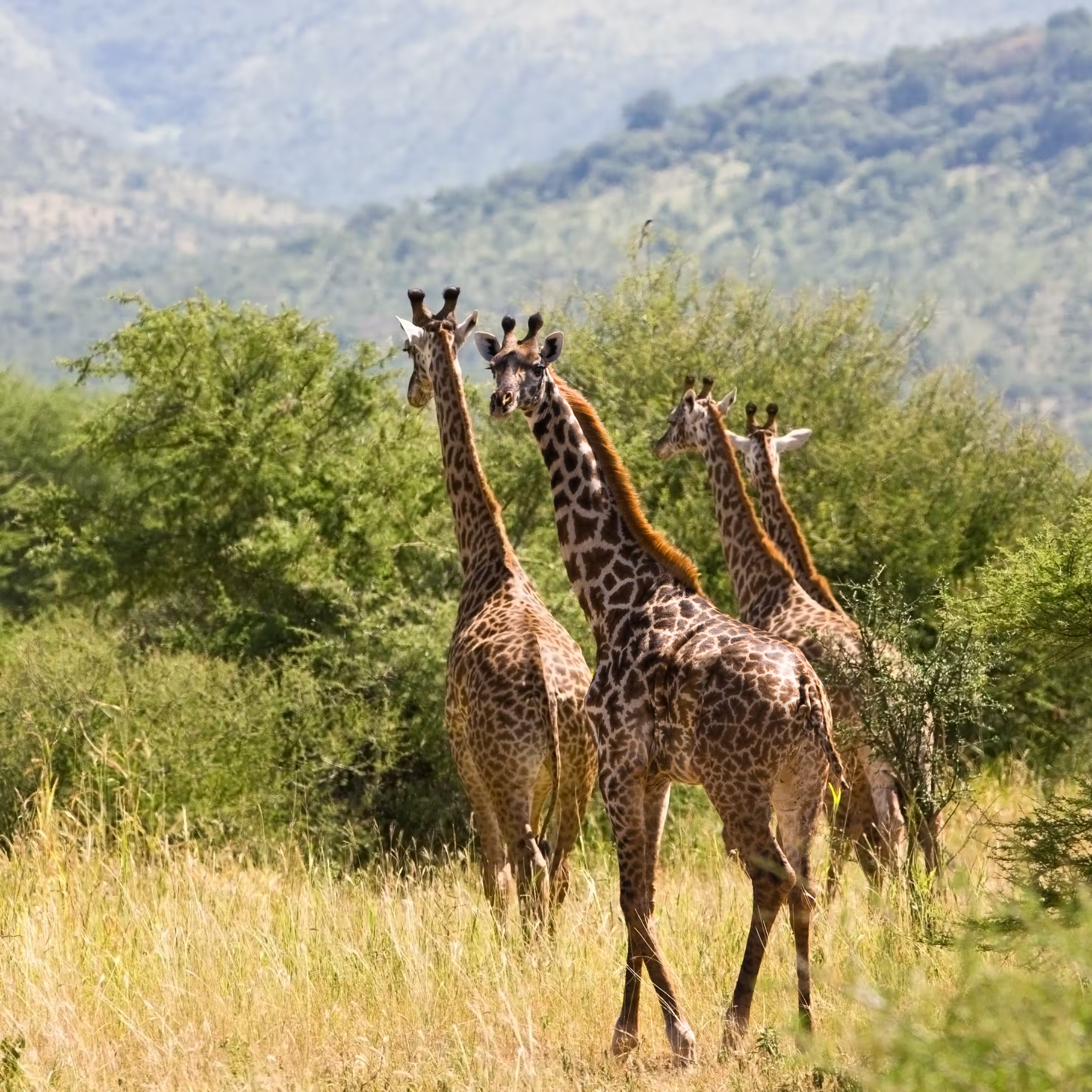
A decade in the bush
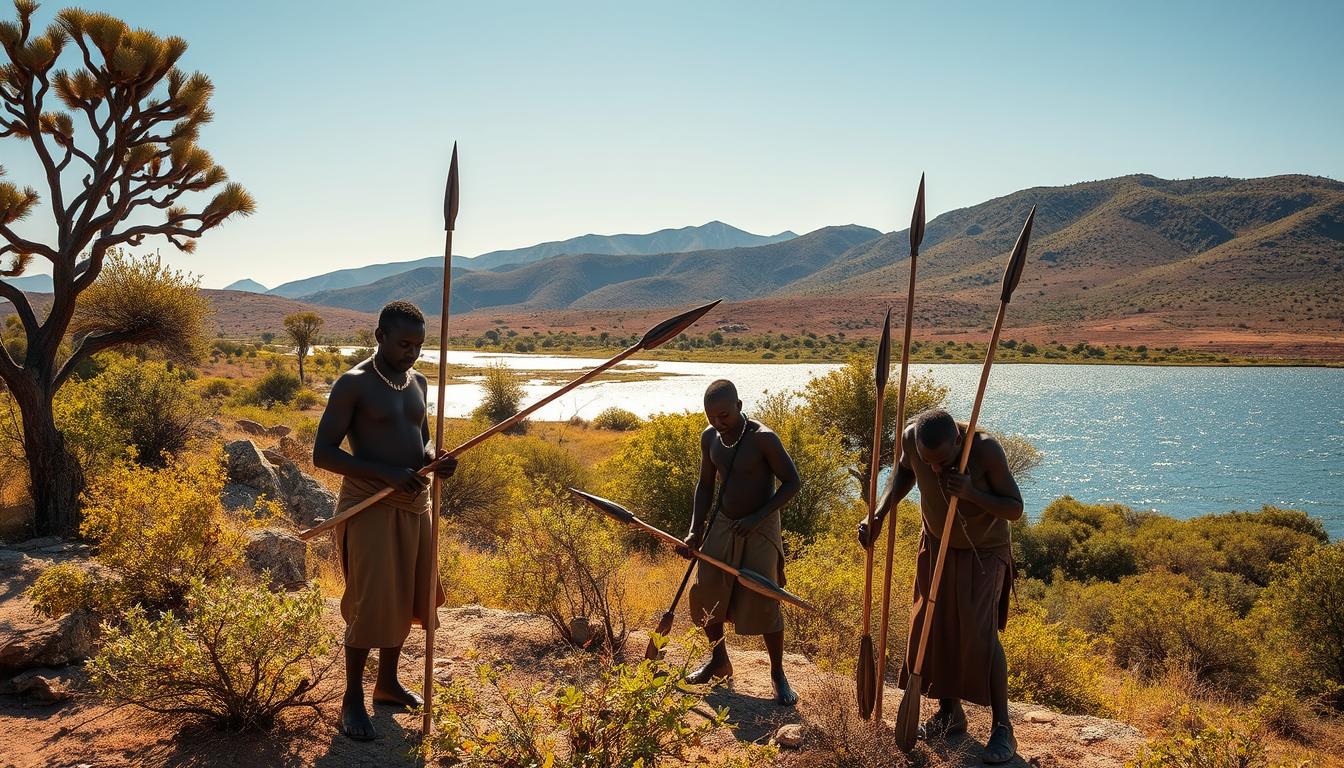
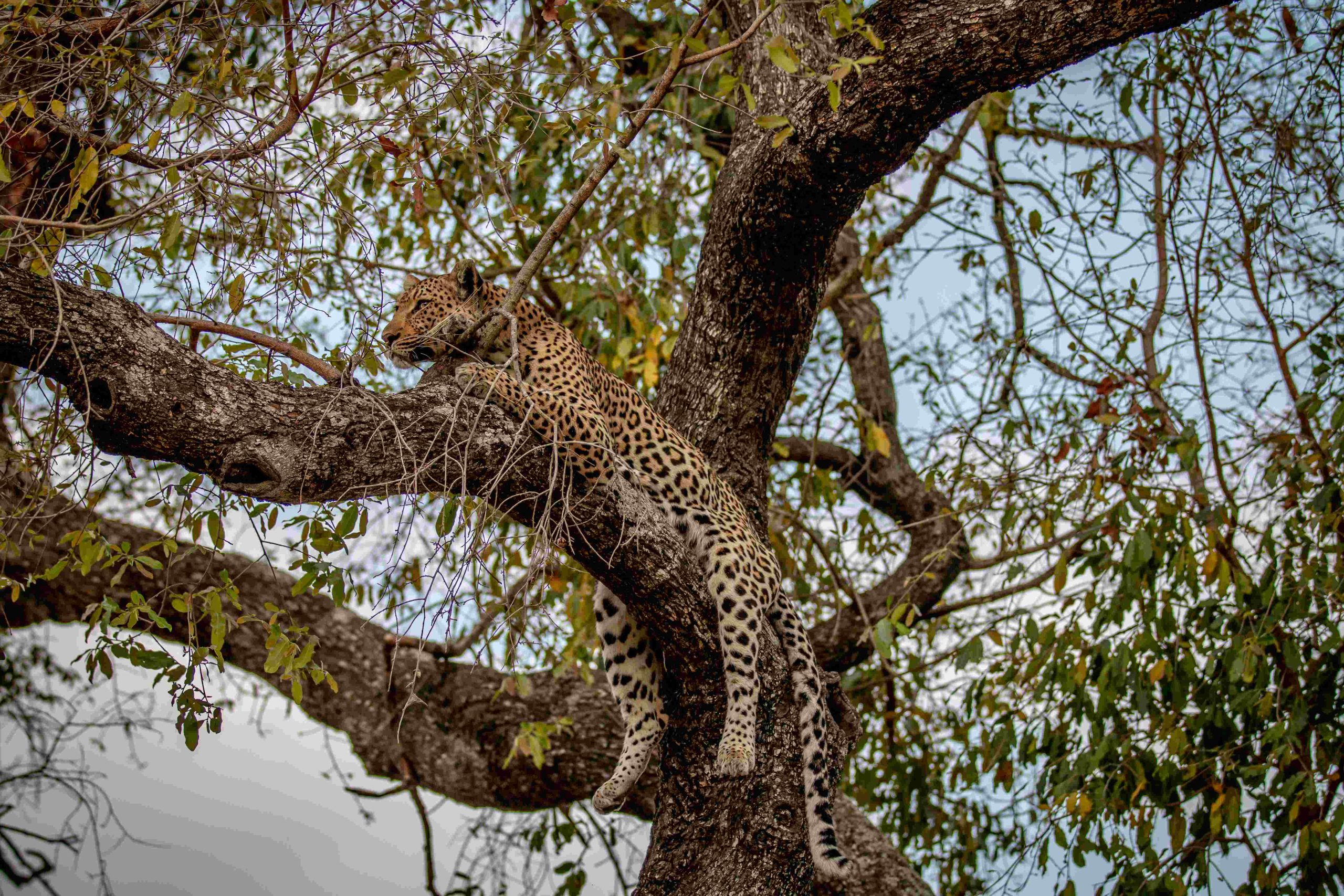
Founded in 2015 by guides who grew up tracking leopards on foot. Built for travellers who know the difference.
Read our story
Chapter II
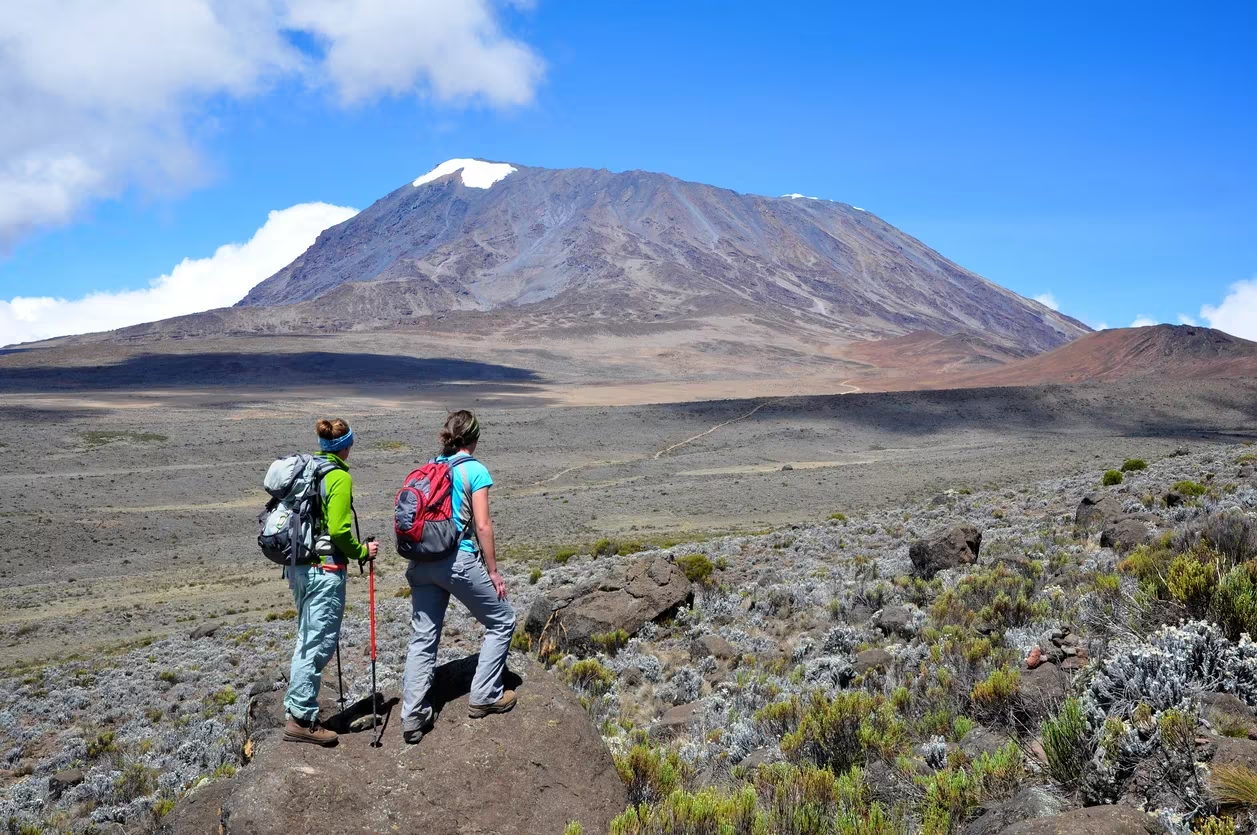
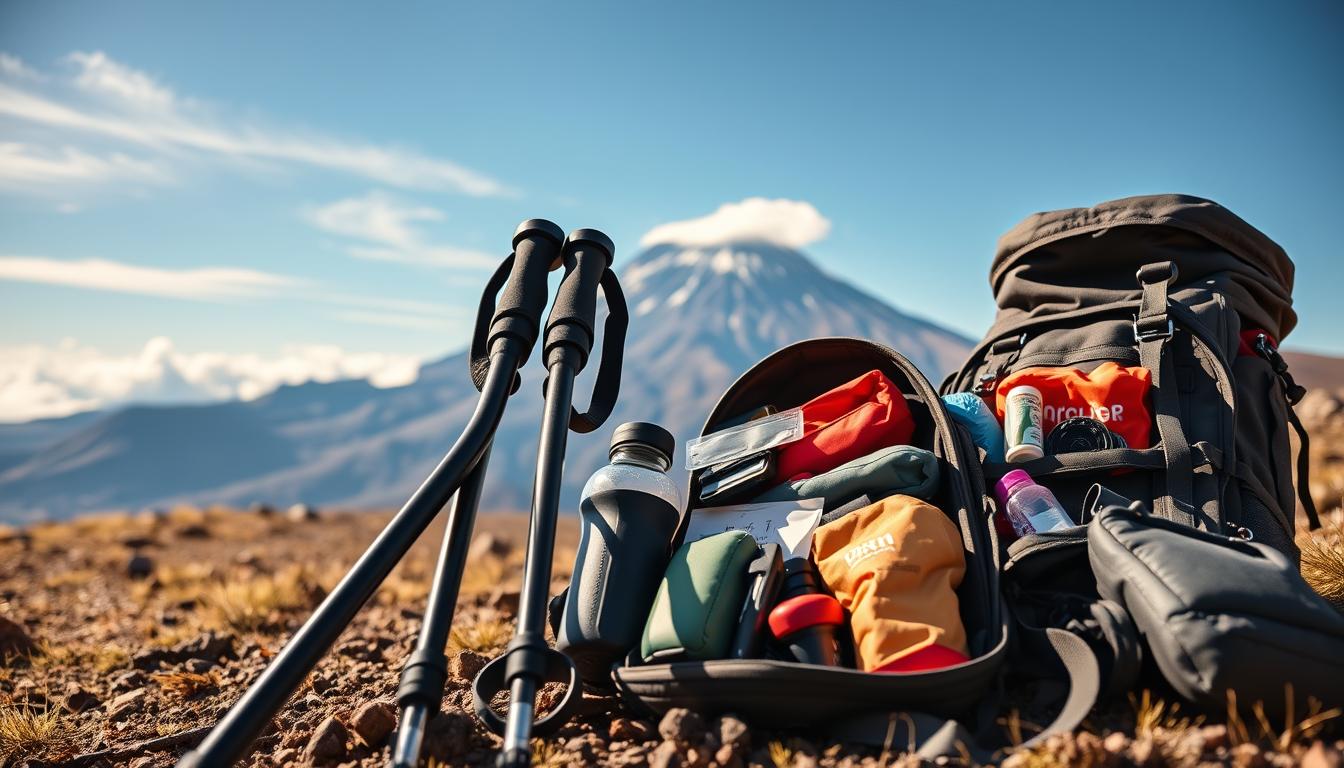
Summit on foot
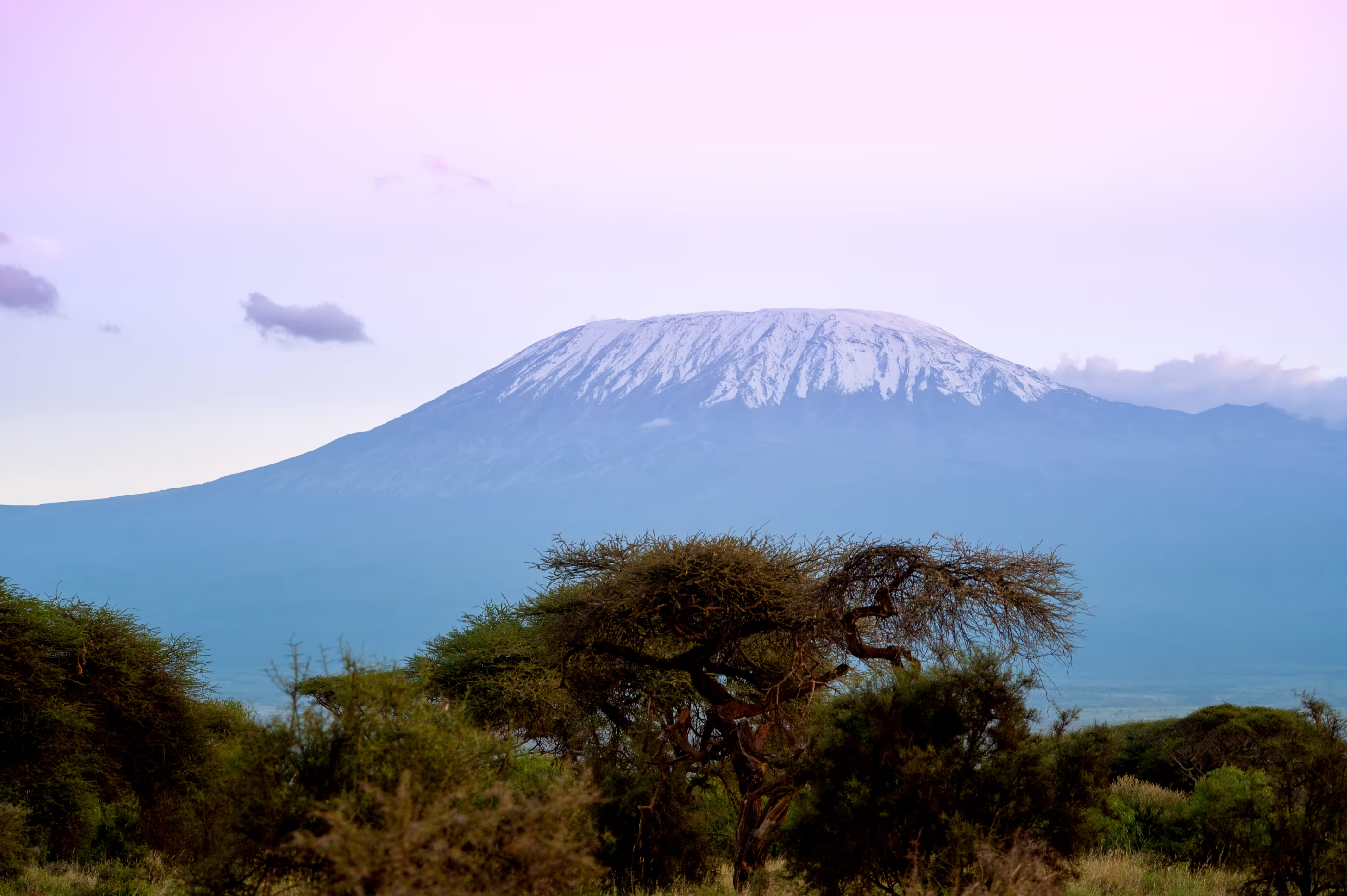
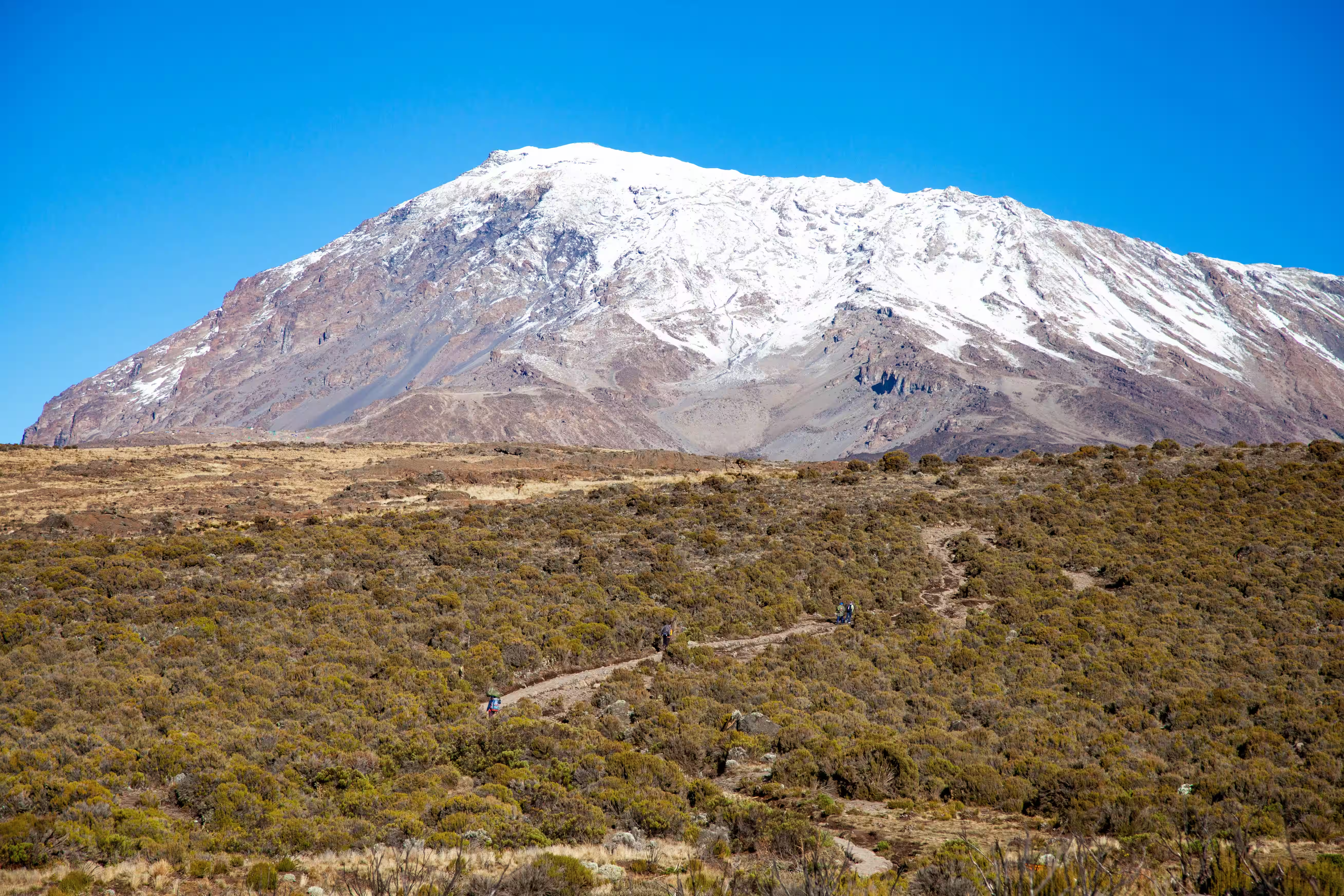
Africa's highest peak, summited with our most experienced climbing guides. No shortcuts, full preparation.
Plan my summit
Chapter III
Authored for you
Every journey custom-built. Browse the most-requested shapes or begin with a blank page.
Begin your journey
Chapter IV
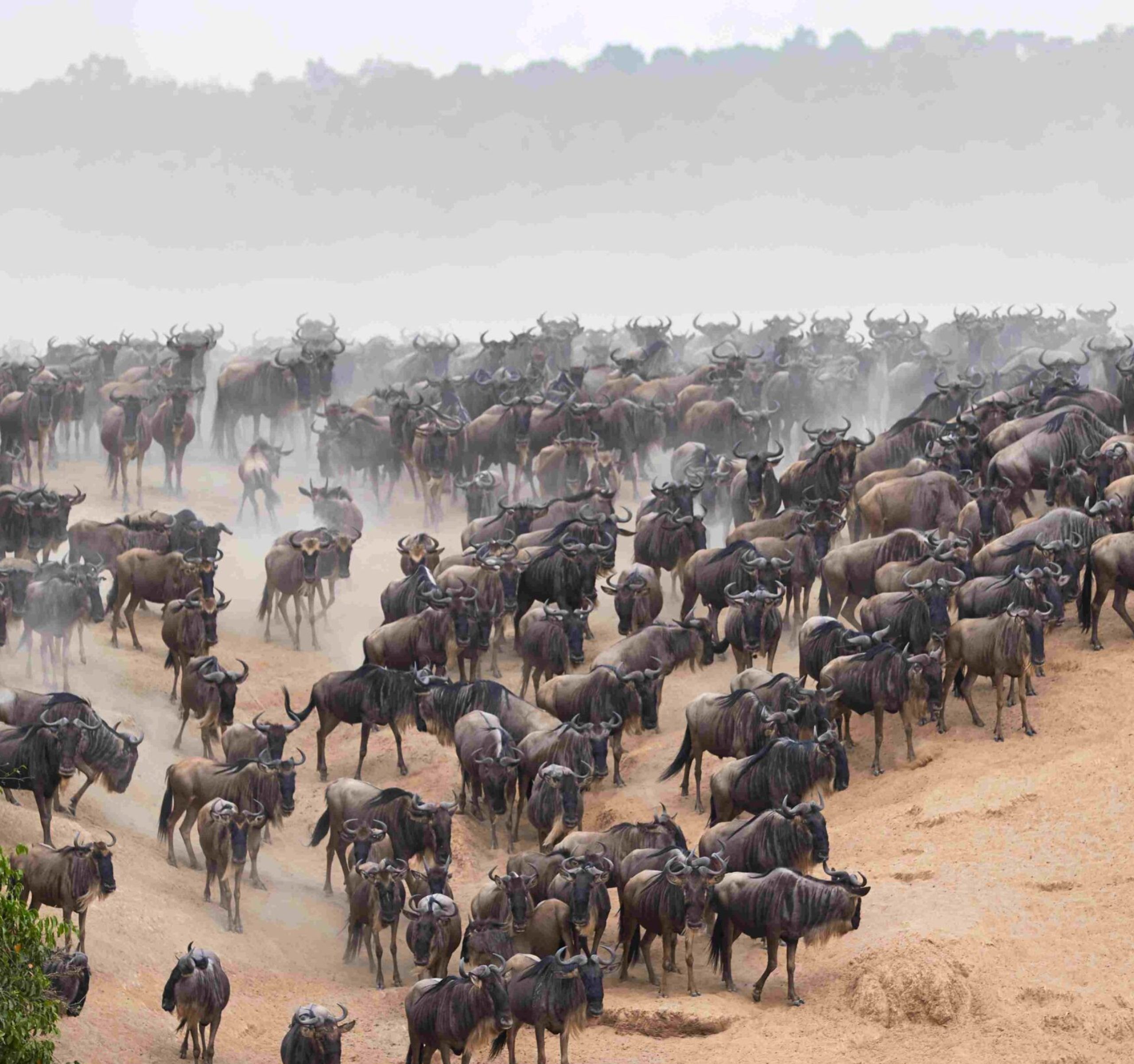
Every season, every region
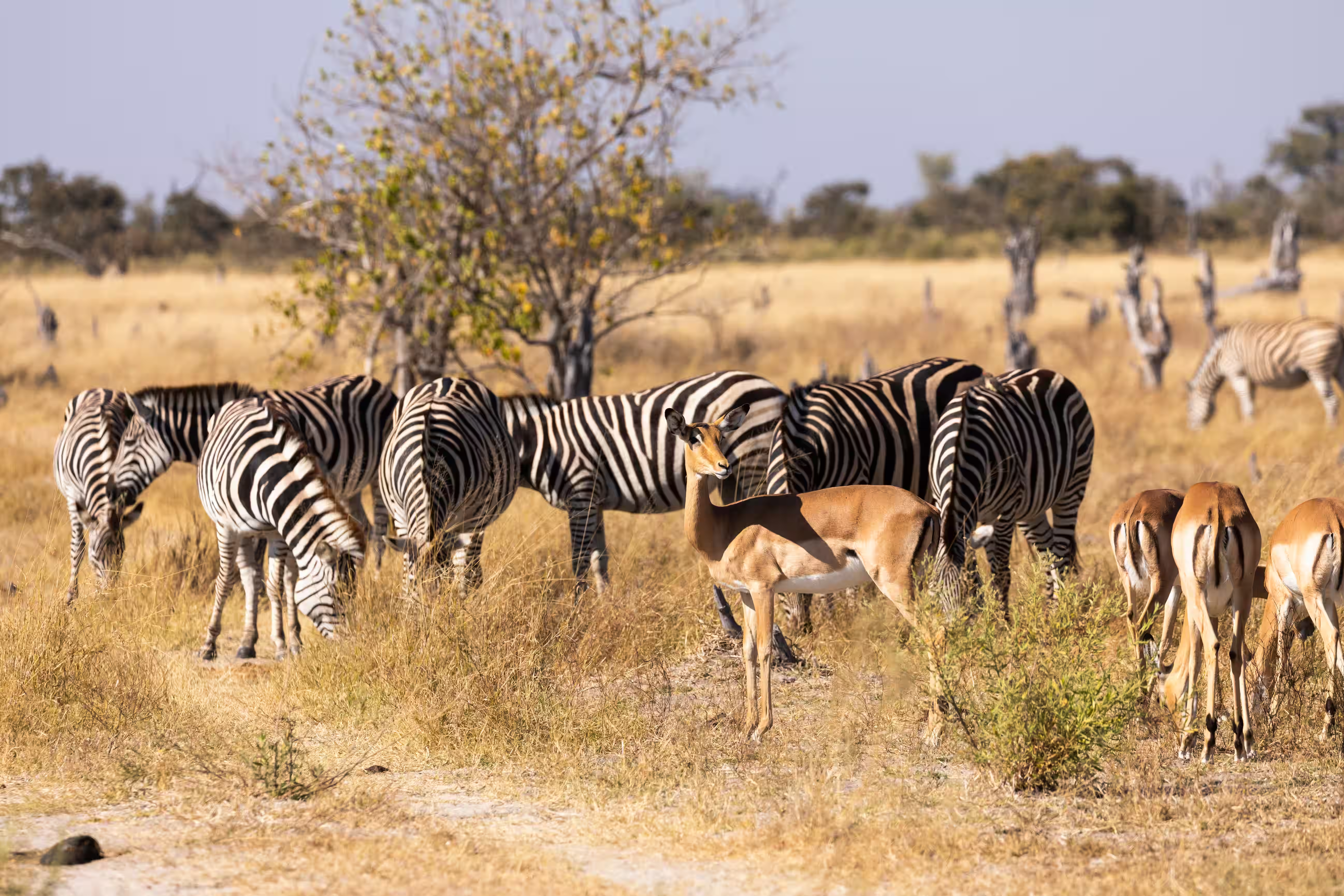
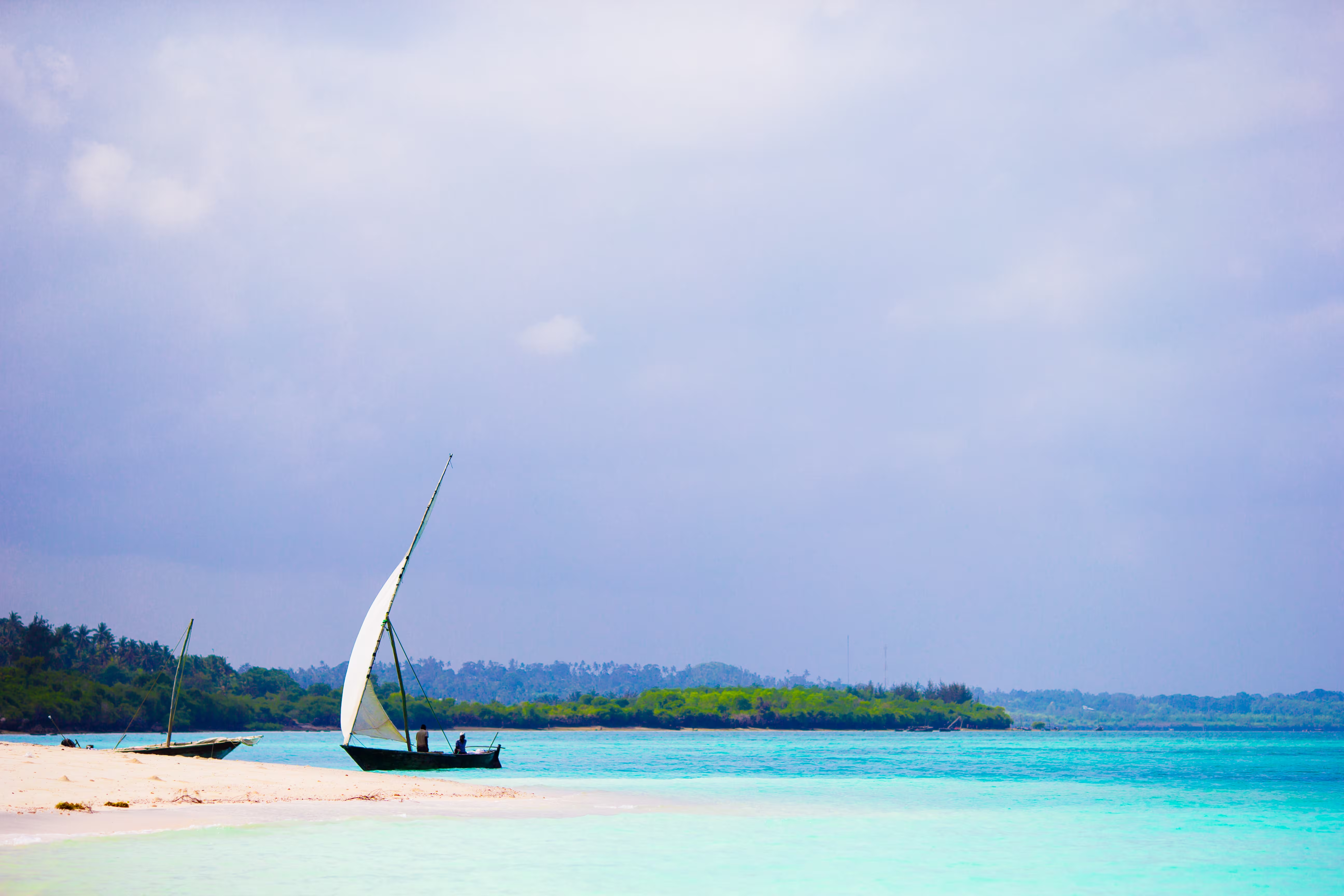
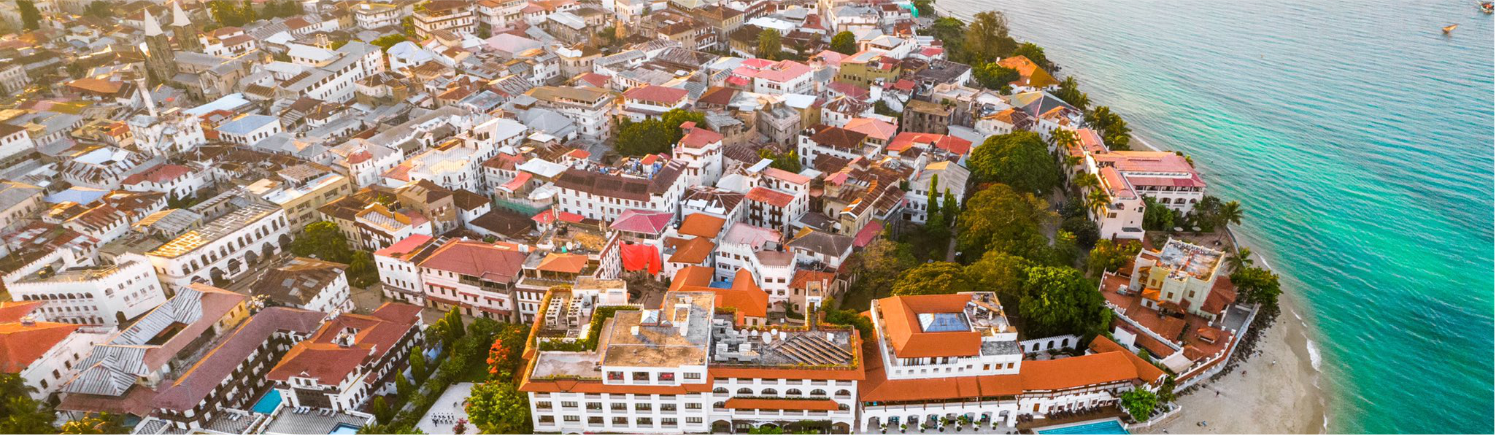
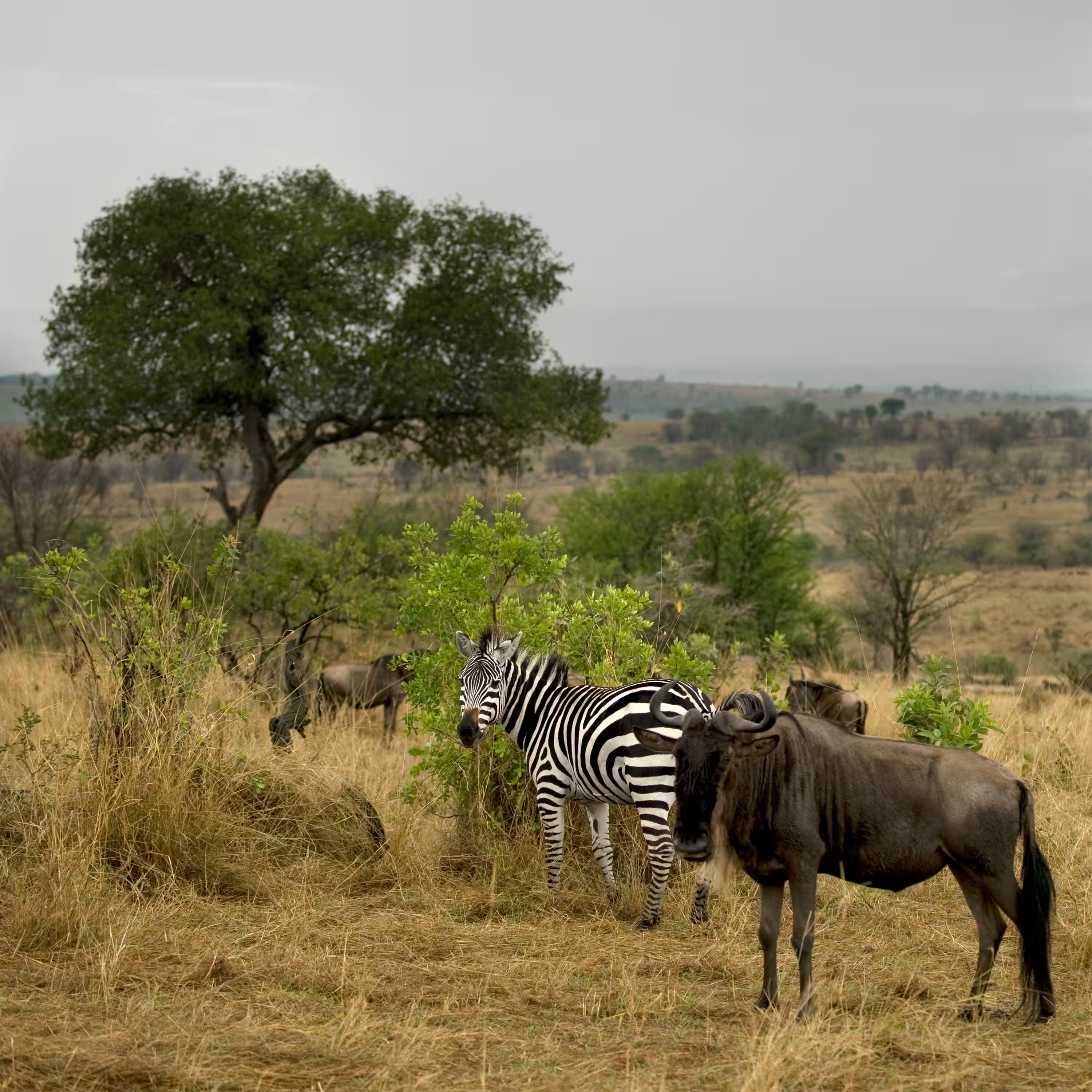
From Serengeti plains to Zanzibar reefs — we work only in regions we know by foot, by season, by name.
Explore Tanzania
Chapter V
The practical book
Seasons, visas, vaccinations, weather, tipping. Nothing glossed over. Written by people who live here.
Read the guide
Travel Guide · Country Advice
Arusha · Stone TownBased on 1,500+ client trips

EverythingYou Need

Tanzania is safe, warm, and welcoming. But a few things are worth knowing before you arrive — about health, money, tipping, culture, and what to pack. Here's our unvarnished country briefing.

Scroll · Read briefing
3
required vaccinations
Yellow fever, typhoid, hep A
USD
preferred currency
Along with Tanzanian shillings
220V
electrical voltage
UK-style three-pin plugs
Swahili
official language
English widely spoken
Before you travel

Health & Vaccinations

Three-to-eight weeks before departure, see a travel doctor. These are the conversations to have.
01Required for some

Yellow fever

Required if you're arriving from a yellow-fever country (most of Sub-Saharan Africa, parts of South America). Not required from Europe, North America, or Asia — but your airline may still ask. Carry the yellow card regardless.

02Strongly recommended

Malaria prophylaxis

Tanzania has year-round malaria risk in most areas below 1,800m. Malarone (atovaquone-proguanil) is our clients' most common choice — one tablet daily, start two days before, continue seven days after. Discuss with your travel doctor; some regions vary.

03Before arrival

Routine vaccinations

Hepatitis A and typhoid are the two most relevant for food/water exposure. Tetanus booster if over 10 years old. Rabies pre-exposure recommended for extensive wilderness time or with children. Hep B if not already covered.

04What to pack

Travel health kit

Basic kit: oral rehydration salts, Imodium, paracetamol/ibuprofen, antihistamines, hydrocortisone cream, broad-spectrum antibiotic (ask your doctor), insect repellent with 30%+ DEET, sunscreen SPF 50, blister plasters. Tanzanian pharmacies stock most things but selection is variable.

Is Tanzania safe?

Safety & Security

Tanzania is broadly safe for visitors. Here's the honest assessment by region — not a marketing line.

Safari & lodges

You'll spend your days inside a vehicle or at camp — both environments are exceptionally safe. Follow your guide's instructions around wildlife at all times. Never walk alone outside your tent at night in unfenced camps. Keep cabin doors zipped to keep out monkeys and small animals.

Very safe

Cities — Arusha, Moshi

Arusha and Moshi are small, relatively safe towns — the ones climbers and safari guests pass through. Normal urban precautions: don't flash cash, avoid isolated areas after dark, use registered taxis (ask your hotel). Pickpocketing in markets is the main risk. Violent crime against tourists is rare.

Safe with sense

Dar es Salaam

Tanzania's largest city has higher petty crime rates — phone snatchings, bag grabs, especially around bus terminals and markets. Use hotel cars or registered app-based taxis (Bolt/Uber work there). Avoid walking with bags after dark. Most clients only transit through — which is fine if arranged properly.

Extra caution

Zanzibar

Stone Town is safe by day and in evenings on main thoroughfares. Northern and eastern beaches are very safe. Dress modestly outside resort areas (Zanzibar is predominantly Muslim). Avoid isolated beaches after dark. Women travellers: a light scarf for the shoulders in Stone Town is appreciated.

Safe with awareness
Cash, cards, and tipping

Money & Tipping

01

Currency

Tanzanian Shilling (TSh) is the local currency, but USD is accepted almost everywhere tourists go — safari camps, hotels, park fees, gift shops. Bring clean, newer USD bills (post-2013 preferred). Small bills ($1, $5, $10) are useful for tips and market purchases. Cards work at most city hotels but not in the bush.

02

ATMs & exchange

ATMs in Arusha, Moshi, Dar es Salaam, and Zanzibar dispense Tanzanian shillings. Expect transaction fees of 4-6%. Bureau de change rates are reasonable in cities; hotel exchange is always worse. Don't exchange money on the street. Keep some USD aside for emergencies.

03

Tipping — safari guide

Expected and very important to livelihoods. Guideline: $20-30 per guest per day for the safari guide, plus $10-15 per guest per day split among the camp staff (pooled tips). Pay in USD cash, at the end of the trip, ideally in an envelope. We'll brief you with specific numbers when you arrive.

04

Tipping — other

Kilimanjaro crew: $200-300 per climber split across your whole team (guide, assistant, cook, porters) at the summit celebration. Restaurants: round up or 5-10% if service isn't included. Hotel porters: $1-2 per bag. Tour drivers on transfers: $5-10 per day. Small amounts go a long way.

Local nuance

Cultural Etiquette

Small gestures matter more here than in most places — leaning into them enriches the trip.
01

Greetings matter

Never skip greetings. A simple 'Jambo' (hello) or 'Habari' (how are you?) before any transaction is expected and appreciated. Swahili culture values warmth and slowness over efficiency — lean into it.

02

Dress modestly

In cities and Zanzibar especially. Shoulders and knees covered for women in Stone Town and Muslim villages. Beach resorts and safari camps are relaxed. A light scarf in the bag always helps.

03

Photography consent

Always ask before photographing people — especially Maasai, who are often (and rightly) weary of being photographed without consent or payment. A small tip of 2,000-5,000 TSh is expected if agreed.

04

Left-hand taboo

Eat, pass, and receive with your right hand. The left hand is traditionally considered unclean. Not a huge issue but small gestures are noticed and appreciated.

05

Patience with pace

'Pole pole' (slowly slowly) is a national motto. Service can feel slow, schedules are approximate, meetings start late. Relaxing into this pace is part of the experience — frustration reads as rude.

06

Religious sensitivity

Tanzania is roughly 35% Muslim, 60% Christian. During Ramadan, eating publicly in Muslim areas (Zanzibar especially) is discouraged. At churches, dress respectfully. Both faiths are very public — expect prayer calls and gospel music in equal measure.

What to bring

Packing Essentials

One soft duffel per person is the safari standard. Everything below fits in that with room to spare.
Category 01
Clothing essentials
  • Neutral safari colors (khaki, olive, beige)
  • Long-sleeve lightweight shirts
  • Lightweight trousers that convert
  • One fleece/warm layer for dawn drives
  • Waterproof shell jacket
  • Good walking shoes already broken-in
  • Sandals/Crocs for camp
  • Swimwear
  • Wide-brimmed hat with strap
Category 02
Wildlife & comfort
  • Binoculars (8x42 ideal)
  • Sunglasses with UV protection
  • High-SPF sunscreen (50+)
  • Insect repellent with 30%+ DEET
  • Lip balm with SPF
  • Reusable water bottle
  • Headlamp with red-light mode
  • Small daypack
  • Buff/neck gaiter for dust
Category 03
Photography
  • Camera with zoom (200mm+ recommended)
  • Extra batteries (cold dawns drain them)
  • Memory cards (more than you think)
  • Lens cleaning kit (dust is constant)
  • Dry bag for electronics
  • Simple tripod or beanbag
  • Phone with good camera as backup
  • No drones (permits required)
Category 04
Health & documents
  • Malaria prophylaxis
  • Personal prescription medications
  • Travel health kit (see Health section)
  • Passport (6+ months validity)
  • Yellow fever card (if applicable)
  • Copies of travel insurance policy
  • AMREF membership number
  • USD in small bills for tips
Staying in touch

Connectivity

WiFi at camps, SIM cards in cities, UK-style plugs everywhere. The essentials.

Mobile data

Get a local SIM card at the airport or any phone shop in Arusha — Vodacom and Airtel are the two main networks. Tourist SIM packages offer 5-10GB of data for $10-15. Most safari camps have weak but working connectivity. Kilimanjaro has no signal above 3,500m.

WiFi at camps

Most good-quality camps have WiFi in public areas. Speed is usually adequate for email, messaging, and Instagram — but not reliable for video calls or streaming. Expect unplugged stretches; they're part of the experience. Some camps have explicit 'connection-free zones.'

International calling

WhatsApp works everywhere there's WiFi or data — it's the default communication tool in Tanzania. Most camps will share a WhatsApp number you can use to reach the office if needed. Traditional roaming is expensive; local SIM plus WhatsApp is the way.

Electricity

220V, 50Hz with UK-style Type G three-pin plugs. Pack a universal adapter. Most camps run generators or solar — power is usually available 6am-10pm at off-grid camps, 24/7 at larger lodges. USB charging often available in vehicles during drives.

Cameras & drones

Photography Rules

What you can and can't photograph. Enforcement is real — worth knowing the lines.
SubjectStatusDetail
PeopleWith permissionAlways ask. A small tip (2,000-5,000 TSh) is expected for Maasai portraits. Your guide will facilitate.
WildlifeAlwaysNo restrictions. Respect your guide's safety guidance on vehicle positioning and flash use around predators.
Government buildingsNeverNo photos of police stations, military installations, airports (interior), or official buildings. Taken seriously — enforcement is real.
DronesPermit requiredA special drone permit is required and takes 30+ days to arrange through TANAPA. Fees are $100+ per day. Not worth it for a standard trip — we can advise if essential.
ChildrenWith parental consentAlways ask a parent before photographing children. Never offer sweets or money in exchange — creates lasting harm in rural communities.
Religious sitesExterior onlyMosque interiors generally off-limits to non-Muslims. Churches often fine to photograph exterior; interiors require permission. Ramadan sensitivity: no photography during prayer.
The countdown

Before You Go

8+ weeks before
  • Consult travel doctor for vaccinations and malaria prophylaxis
  • Verify passport has 6+ months validity and 2 blank pages
  • Apply for eVisa online
  • Check yellow-fever requirements based on your travel itinerary
4 weeks before
  • Purchase travel insurance (see Travel Insurance guide)
  • Verify AMREF Flying Doctors cover (we enroll you automatically)
  • Book any last gear purchases (broken-in walking boots are critical)
  • Notify your bank of travel dates to avoid card blocks
1 week before
  • Print copies of all documents (passport, visa, insurance, AMREF)
  • Download WhatsApp and save guide contact numbers
  • Change at least $500-1000 into small USD bills
  • Pack malaria pills and prescription medications in carry-on
Day of departure
  • Confirm all documents are in carry-on (not checked)
  • Start malaria prophylaxis (if Malarone, 1-2 days before)
  • Pack one change of clothes and essentials in carry-on
  • Arrive at airport 3 hours before international departure
We'll hold your hand

One less thing to worry about.

Every trip we run comes with a detailed pre-departure briefing — specific visa steps, recommended vaccinations for your itinerary, packing list tailored to where you're going. You just show up.

Plan my trip
Loading itinerary…
Saved Trips