
Rainforest Zone
Thick canopies, giant ferns, colobus monkeys swinging overhead. Warm, humid, often damp underfoot. This is where every climb begins — the ascent through oxygen-rich equatorial forest.
Learn about this zone →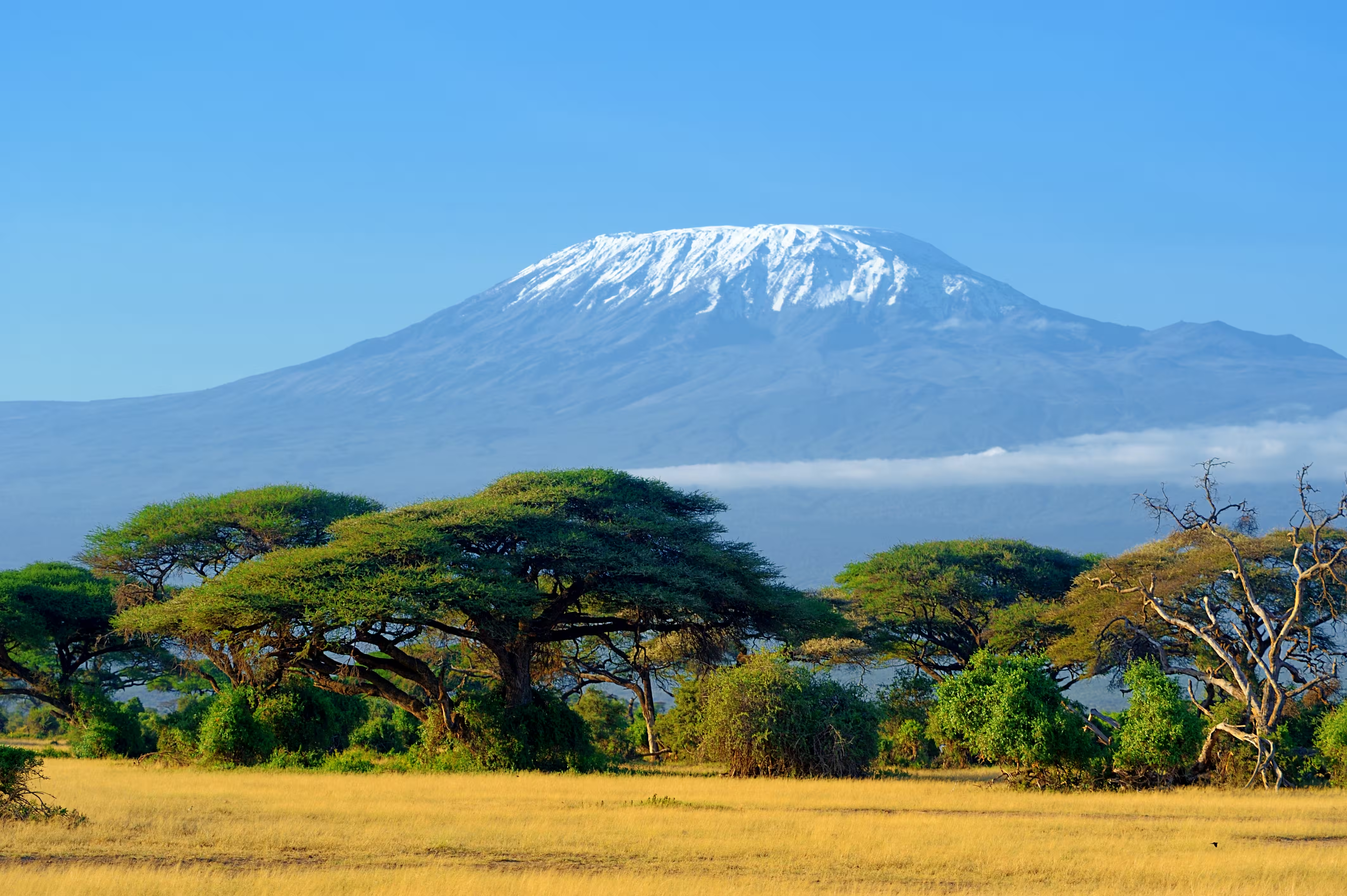
Thick canopies, giant ferns, colobus monkeys swinging overhead. Warm, humid, often damp underfoot. This is where every climb begins — the ascent through oxygen-rich equatorial forest.
Learn about this zone →
The canopy breaks. Giant senecios and lobelias — prehistoric-looking plants found nowhere else. Views open dramatically across the Shira Plateau.
Learn about this zone →
Vegetation thins to scattered lichens on black volcanic rock. The air noticeably thinner — each breath feels lighter. The body begins its real adaptation to altitude.
Learn about this zone →
Glaciers, ice fields, and sharp mineral cold. This is the high camp zone — where you eat early, sleep briefly, and wake for the midnight summit push.
Learn about this zone →
Africa's highest point. At dawn, the curvature of the earth is visible, Mawenzi peak catches first light, and the continent spreads below in every direction.
Learn about this zone →
Not about which route you pick, or what gear you buy, or how much you train.
It's the decision to walk for seven days into thinner and thinner air, trusting the guides beside you more than your own instincts. We select climbers as carefully as we select routes — because both matter, and because this is the kind of trip where preparation decides outcome.
 Most Popular
01
Most Popular
01
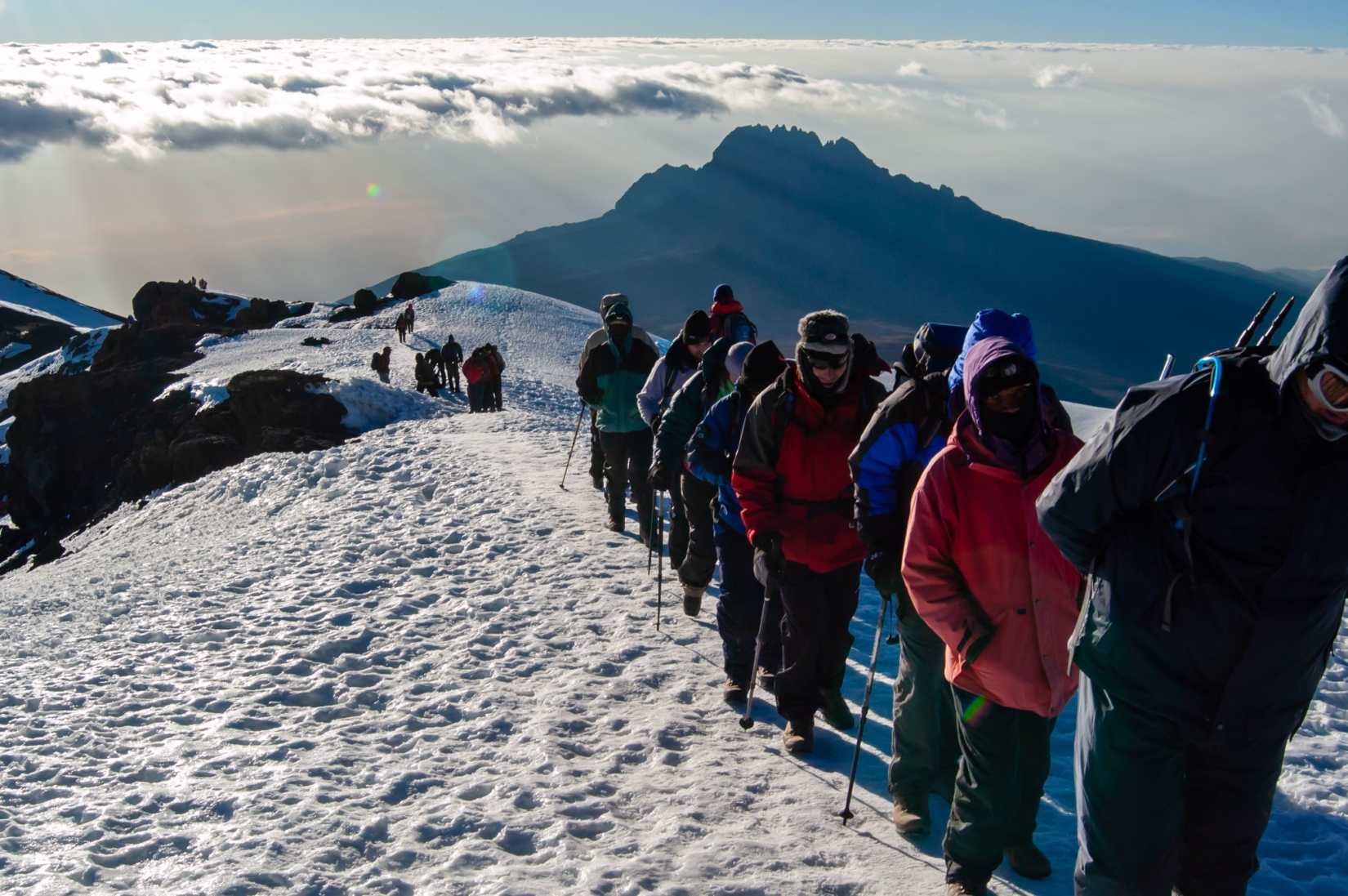
The most-loved route on the mountain. Scenic, steep, with excellent acclimatisation via the famous Barranco Wall.
 Our Choice
02
Our Choice
02
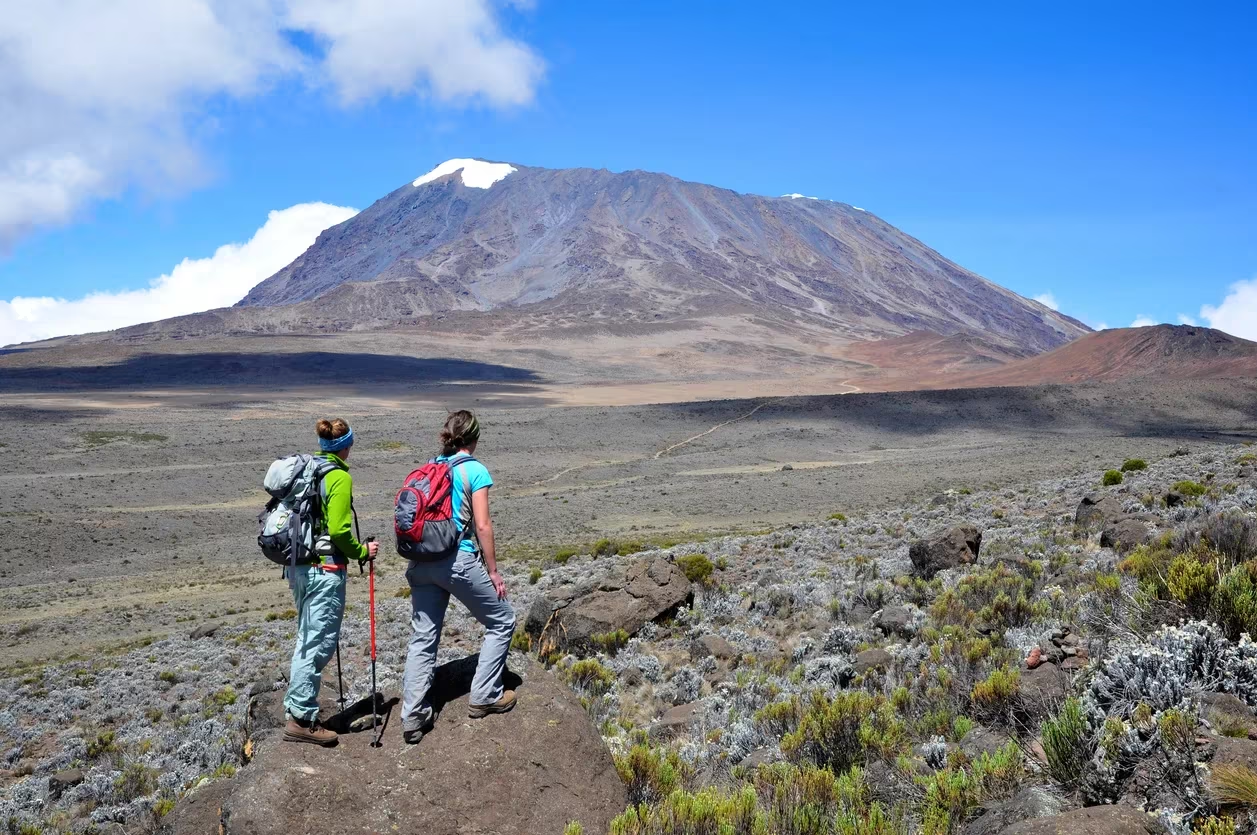
The finest route. Western approach, Shira Plateau crossing, extra day means higher success and better views throughout.
 Quietest
03
Quietest
03
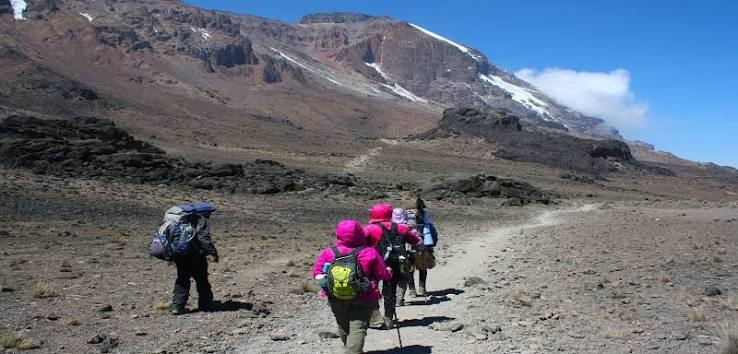
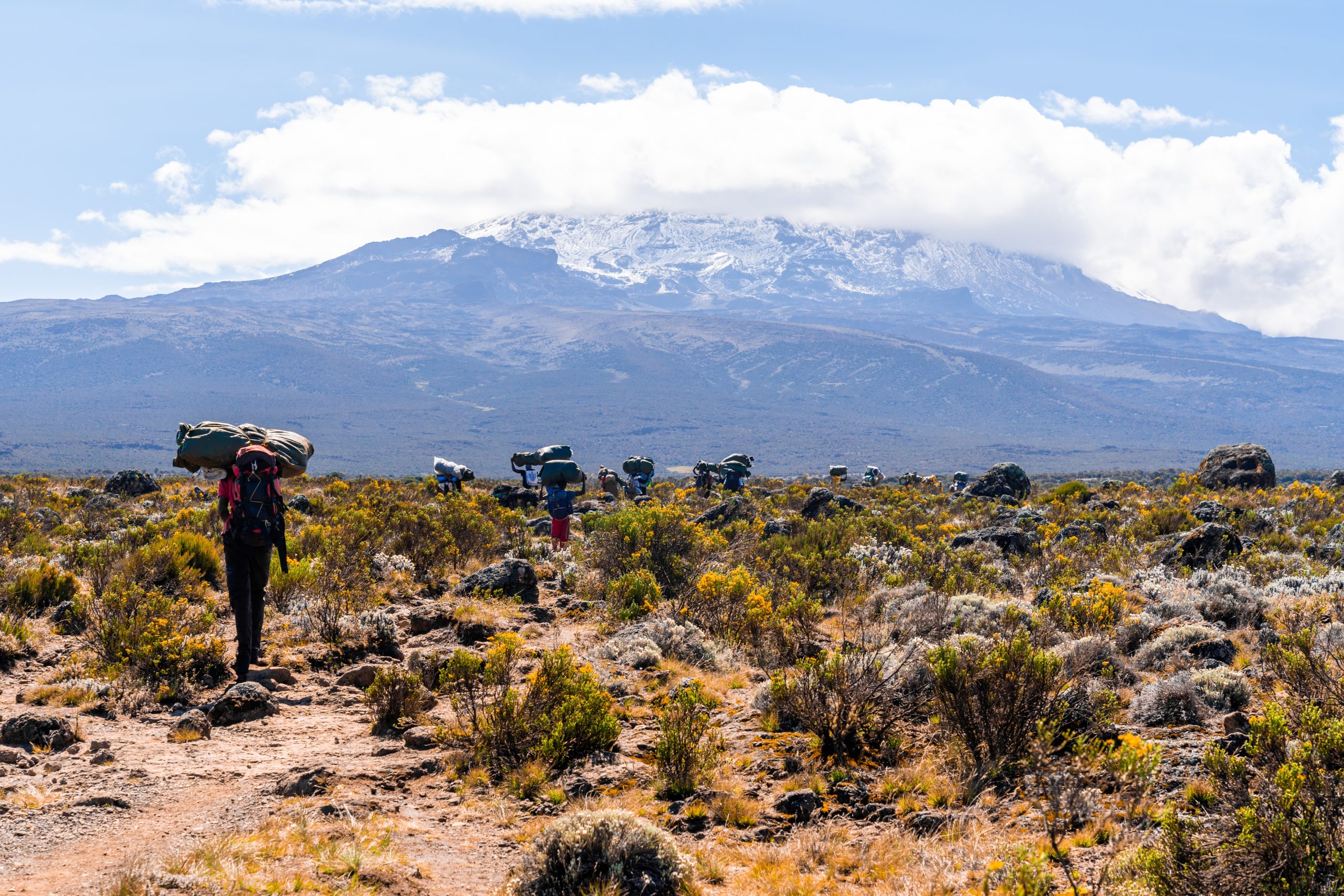
The only route from the north. Drier, wilder, less trafficked — for travellers who prize solitude over popularity.
 Longest
04
Longest
04
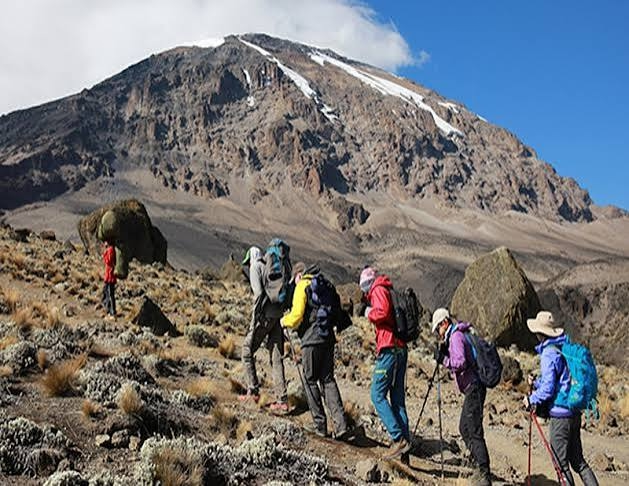
The longest and most thorough route. Circles the mountain's northern slopes. Highest success rate — serious climbers only.
 Classic
05
Classic
05
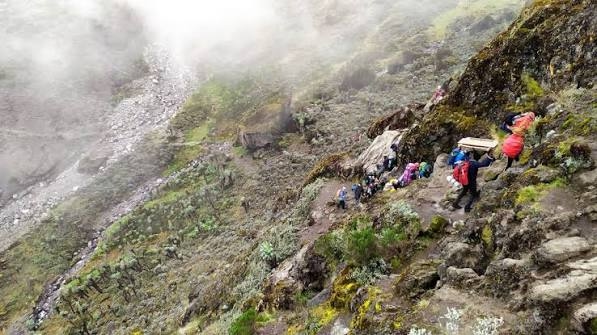
The oldest route. Huts not tents. Shortest option, lowest acclimatisation — we recommend other routes unless huts are essential.
 Expert Only
06
Expert Only
06
The steepest, most direct route. For experienced high-altitude climbers only. Listed for completeness, rarely recommended.
 01
01
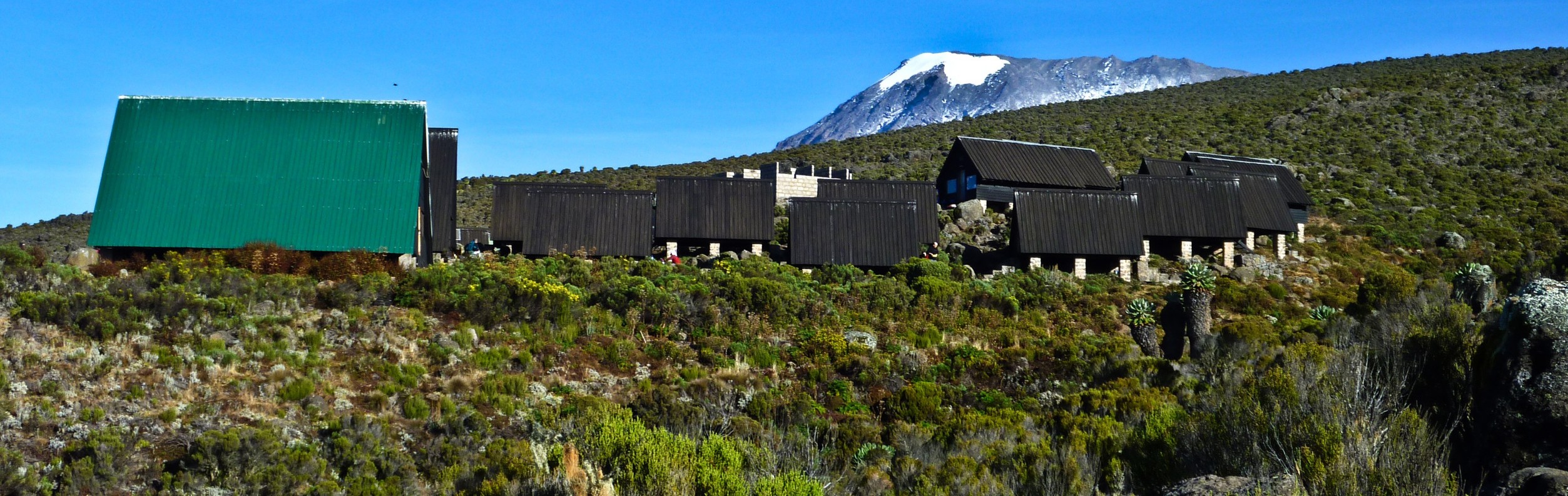
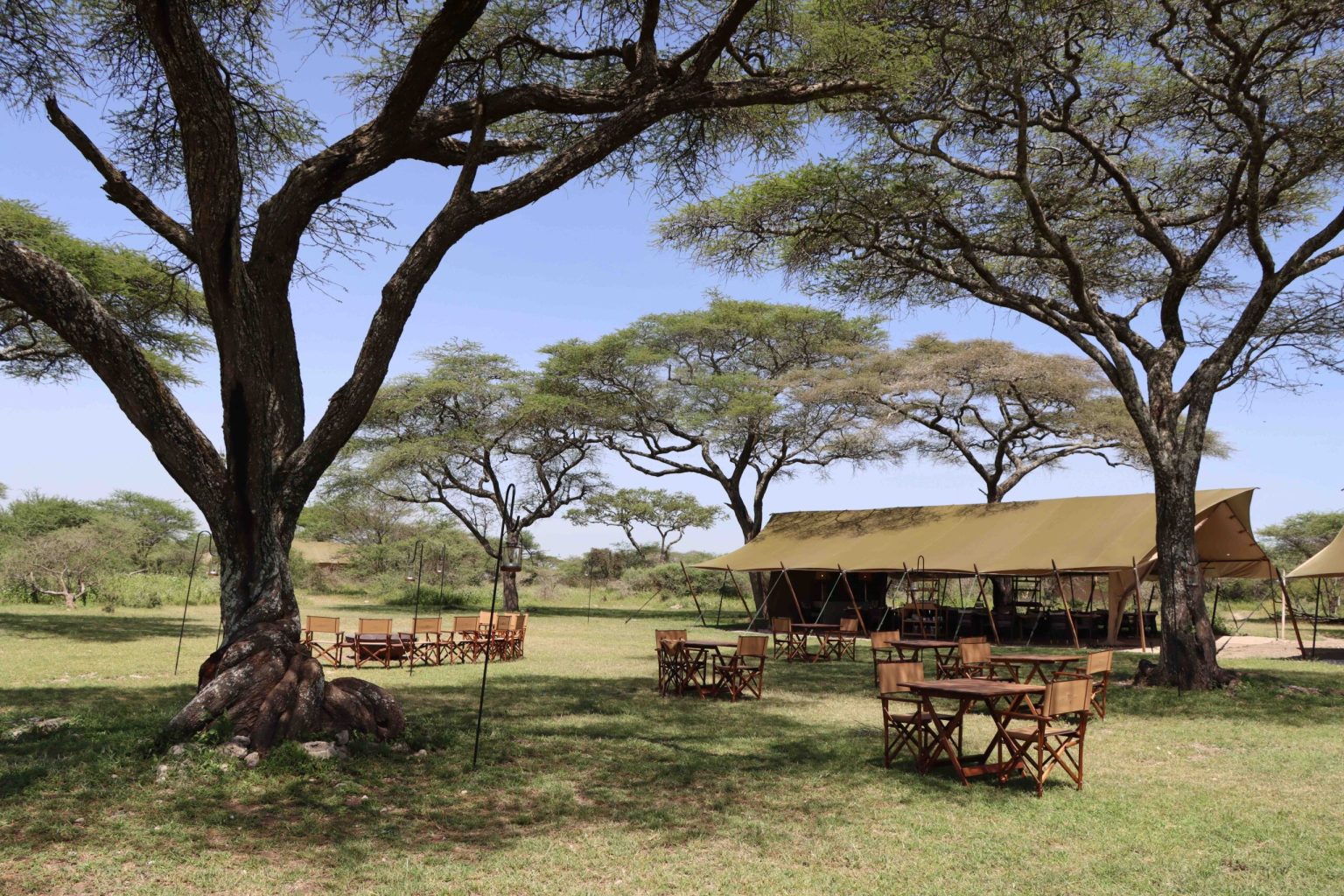
Permanent A-frame wooden huts with bunk beds, shared dining, and solar lighting. The only route with huts — nicknamed the 'Coca-Cola route'. Comfortable but no acclimatization day built in.
 02
02
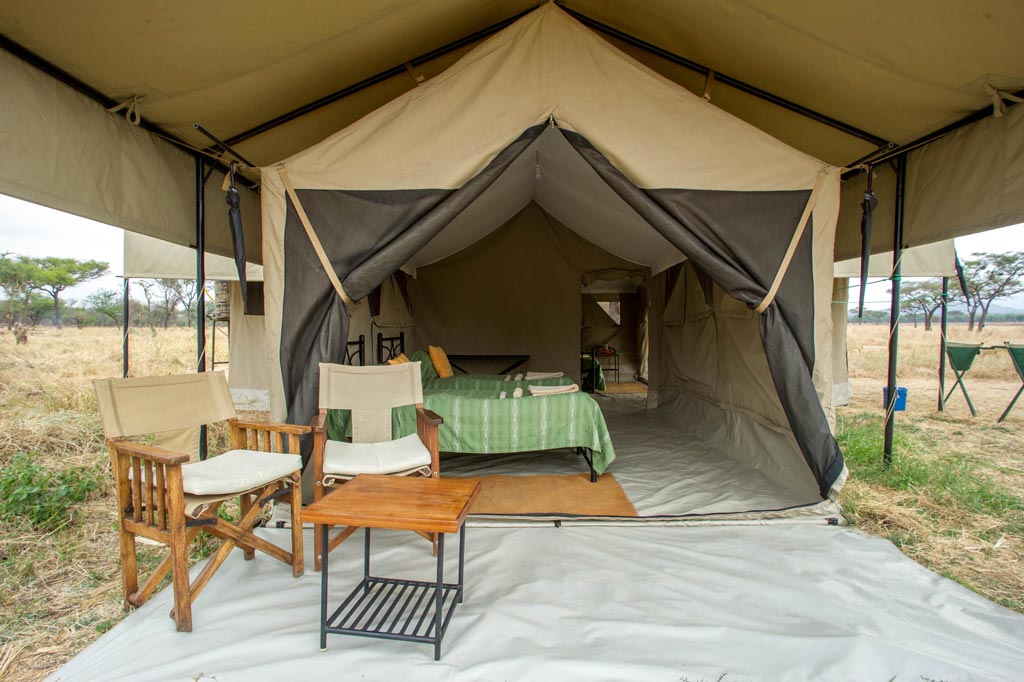
Porters carry and pitch sleeping tents, mess tents, and a private toilet tent at each camp. The standard for most serious climbs — better acclimatization profile and superior summit success rates.
 03
03
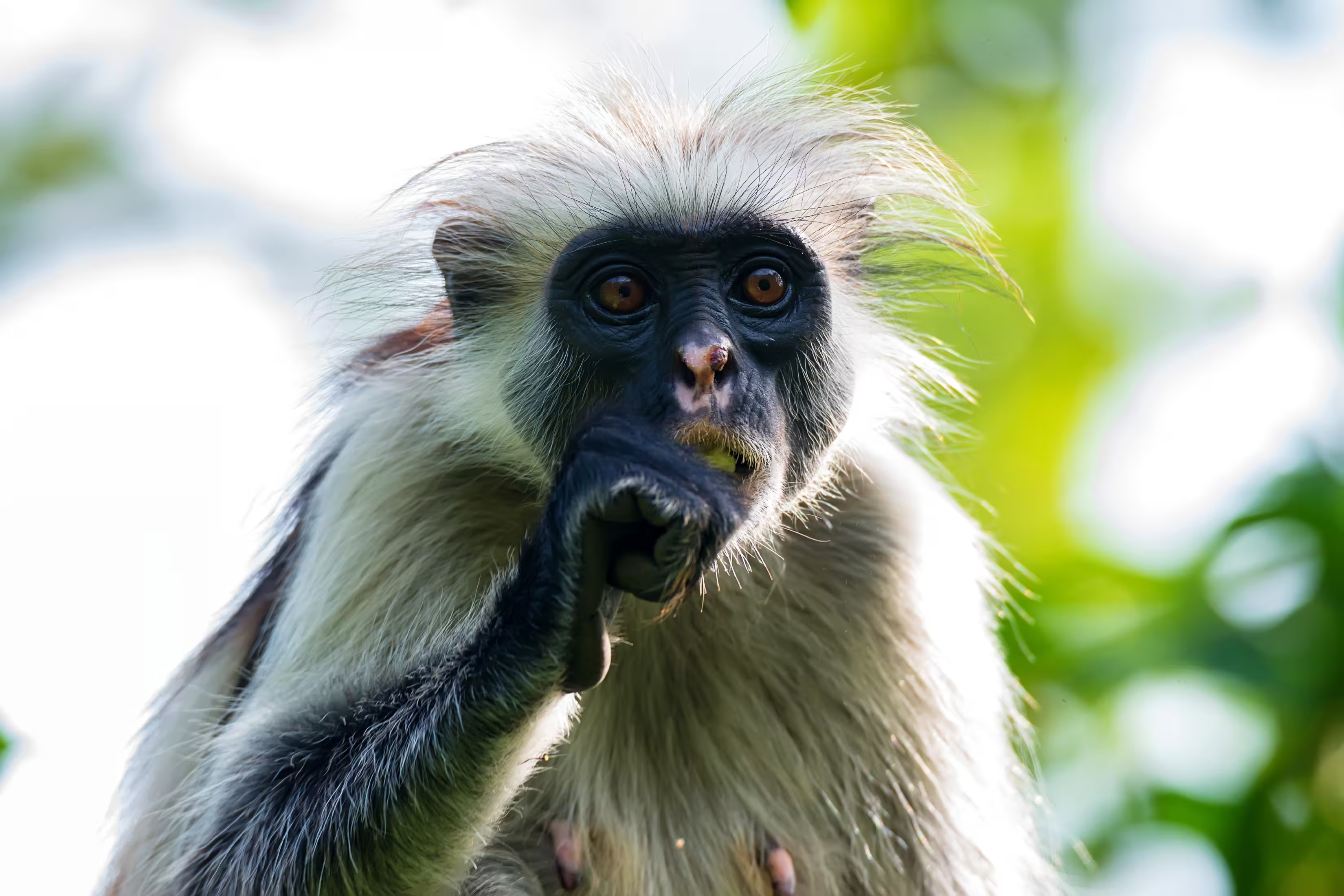
Our most comfortable option — walk-in tents with real beds, hot water bottles, fresh meals by a dedicated chef. A luxury base camp experience as close to a lodge as the mountain allows.
 Forest
01
Forest
01
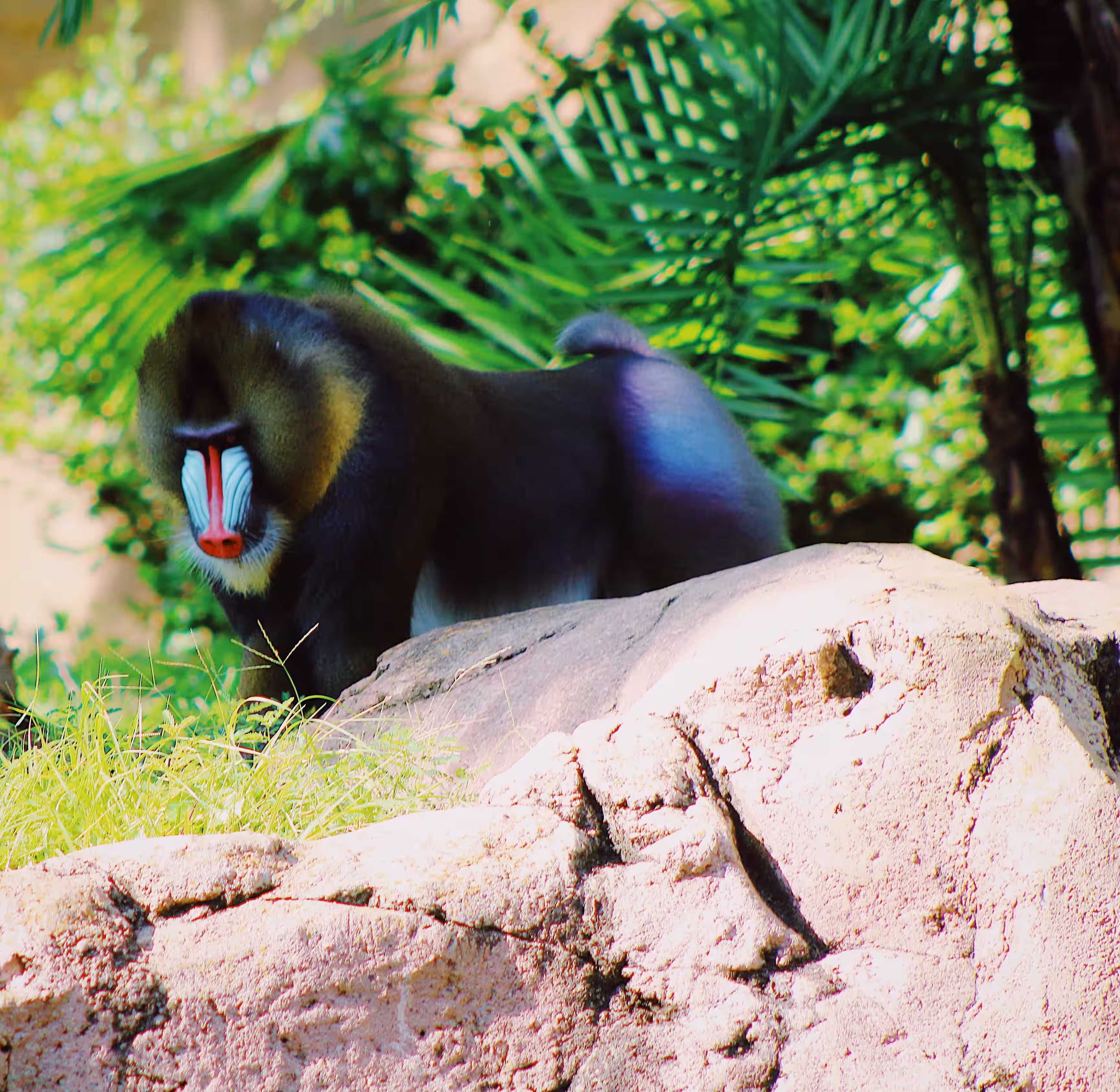
Black-and-white colobus troops live in the mossy rainforest zone. Their leaping between trees and their white-tailed silhouettes are a highlight of the first climbing day.
 Forest
02
Forest
02
Smaller and shyer than their colobus cousins, blue monkeys inhabit the upper forest canopy. Less visible but commonly heard calling in the morning.
 Forest
03
Forest
03
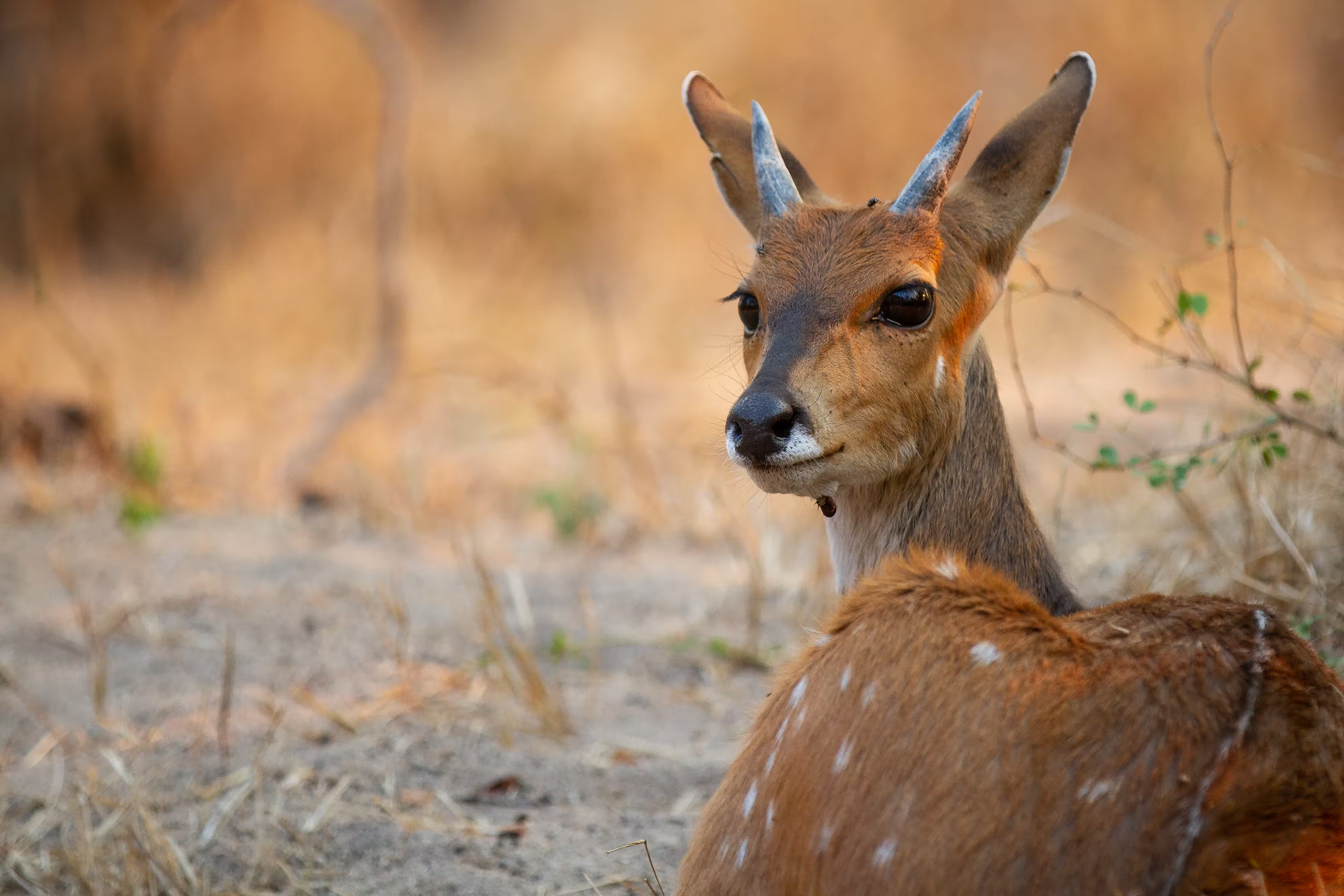
Small spiralling antelope found in the forest zone clearings. Tracks commonly seen near the lower camps — Machame, Lemosho, Rongai huts. Dawn sightings best.
 Forest
04
Forest
04
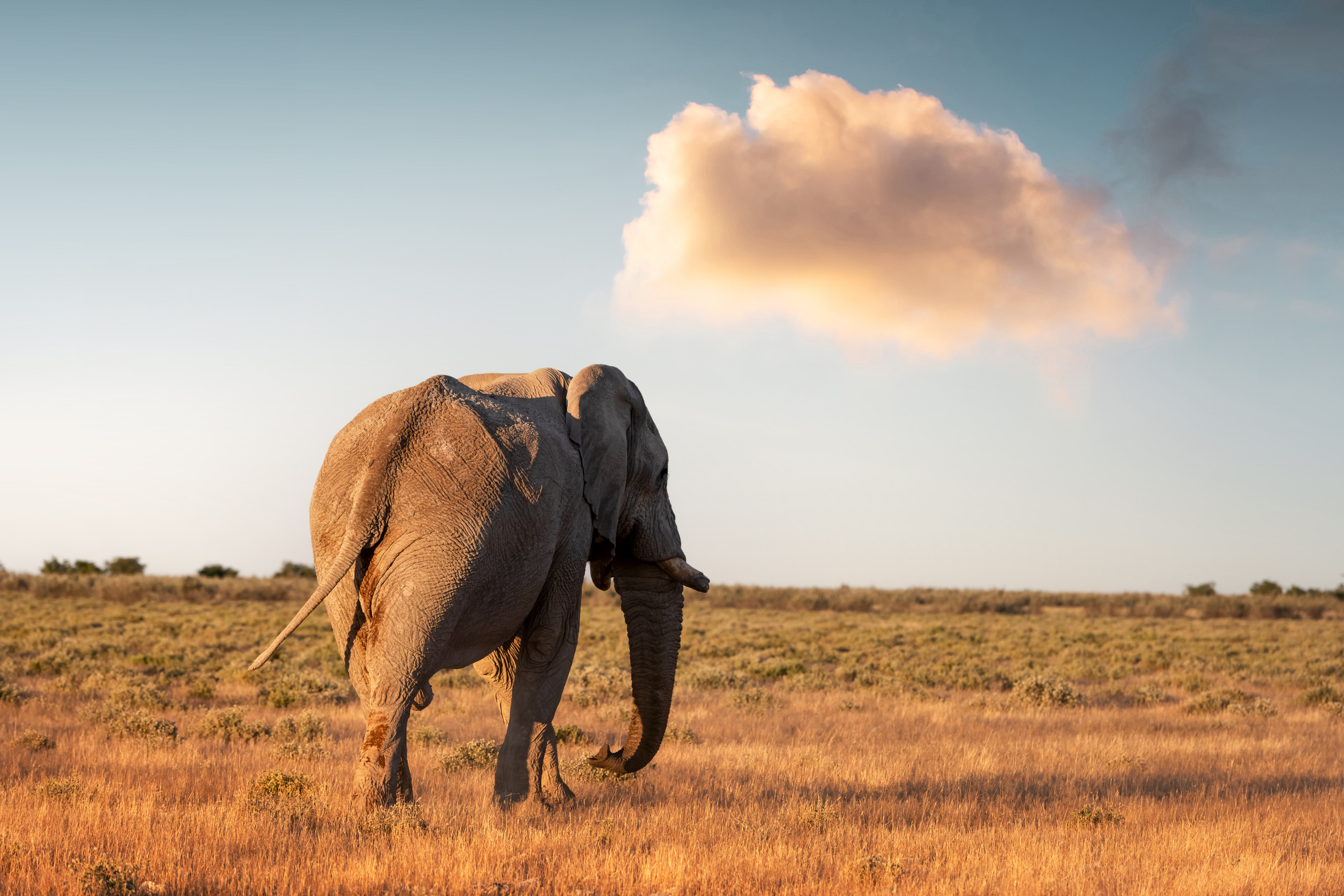
Kilimanjaro's forest holds a small elephant population — they rarely venture close to main routes but occasionally leave tracks and signs near Rongai and Machame routes.
 Moorland
05
Moorland
05
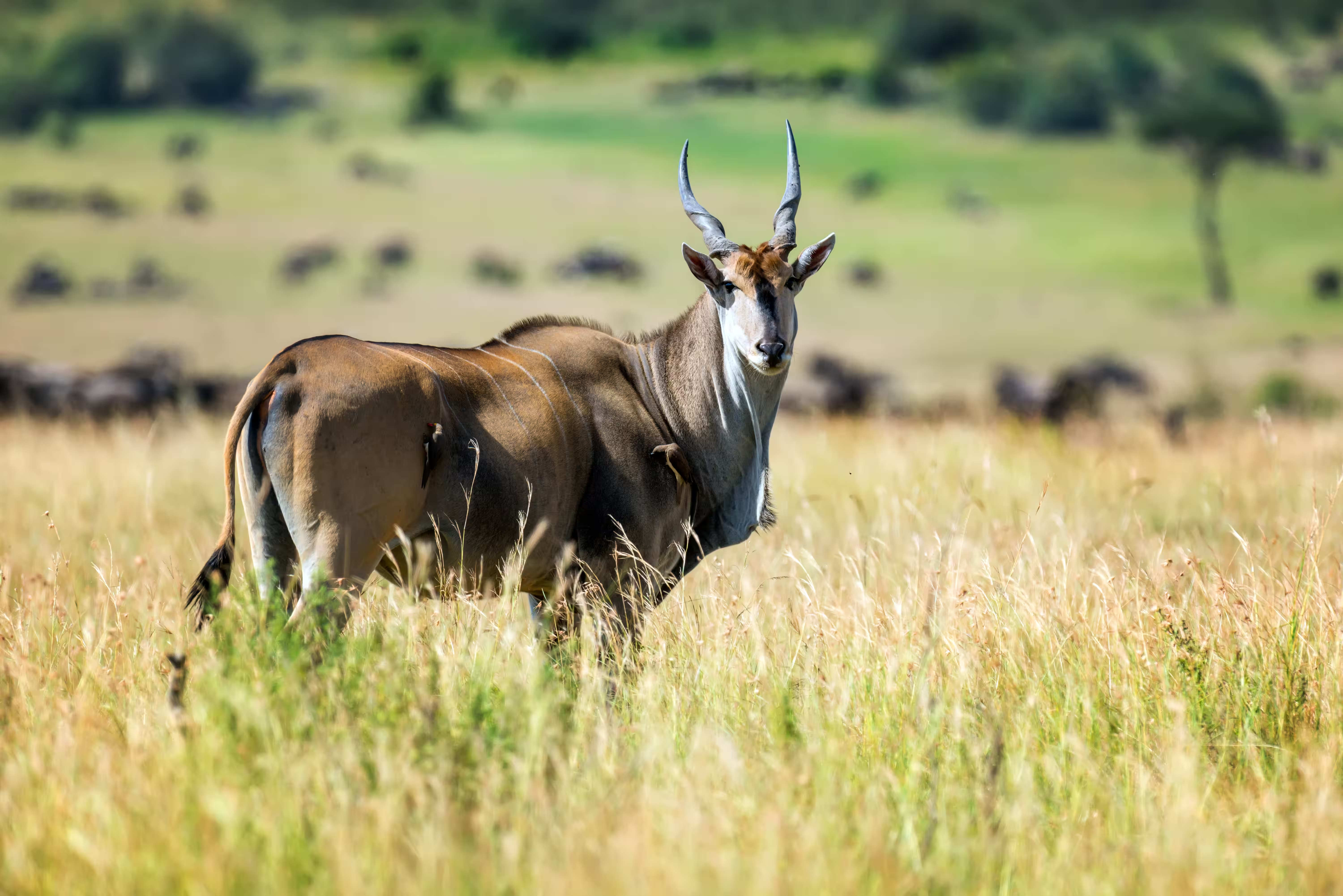
Above the forest, in the giant heather and lobelia landscape, common eland graze and duikers hide among the boulders. Tracks often seen near Shira and Horombo.
 Alpine
06
Alpine
06
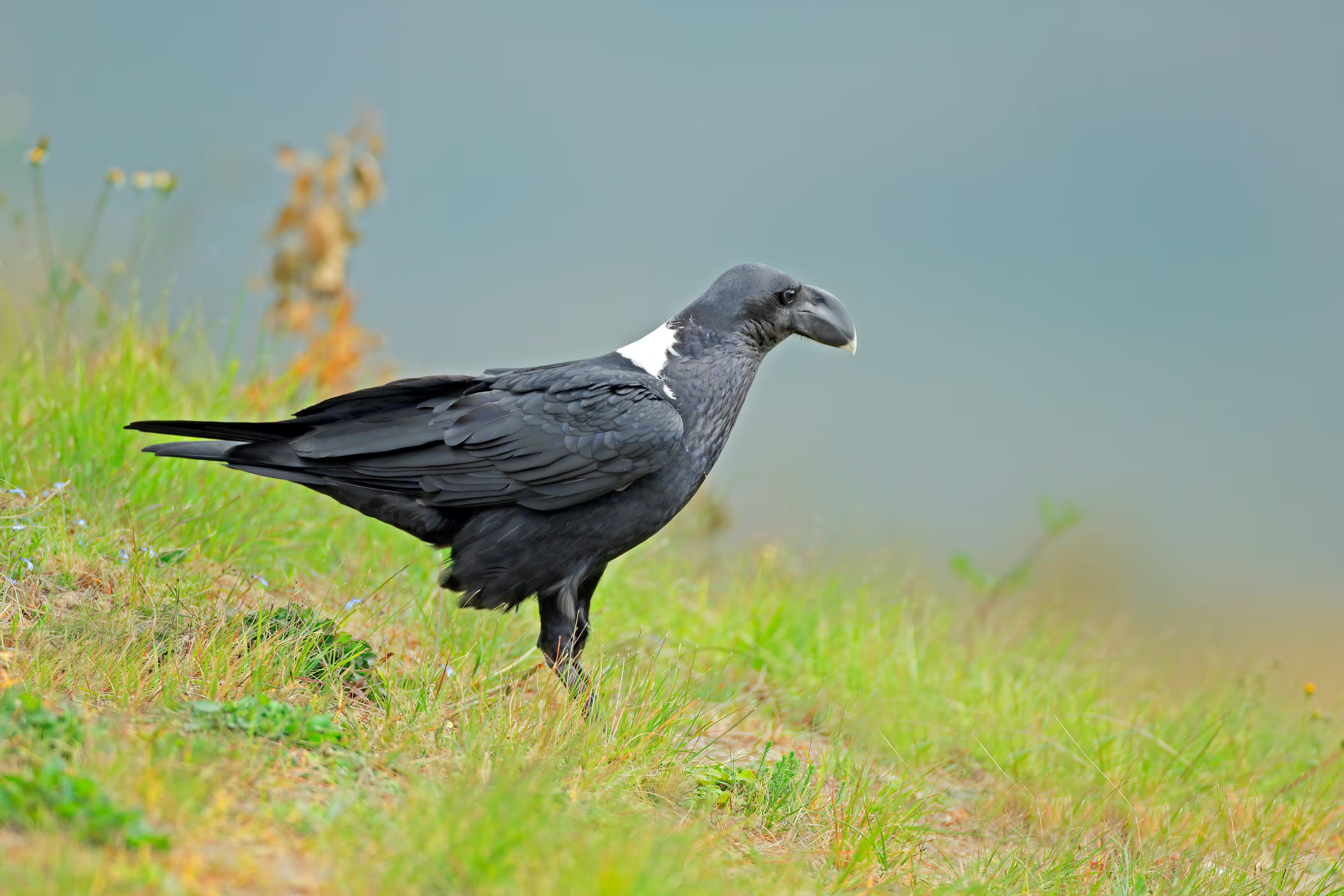
The one vertebrate that follows climbers to 5,000m. Intelligent, opportunistic, and often present at summit-night camps hoping for unattended snacks.
 Half-day
01
Half-day
01
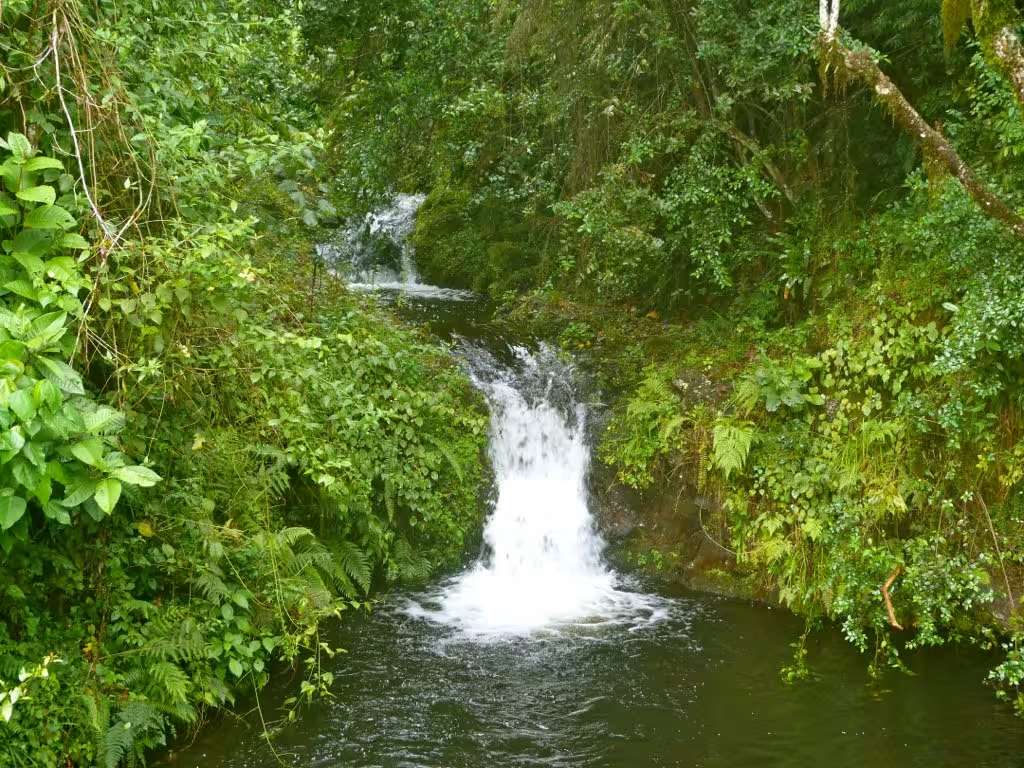
A 90-metre waterfall 15km from Moshi, reached by a forest walk through Chagga villages. Swim in the pool below, then coffee tour at a local farm.
 Half-day
02
Half-day
02
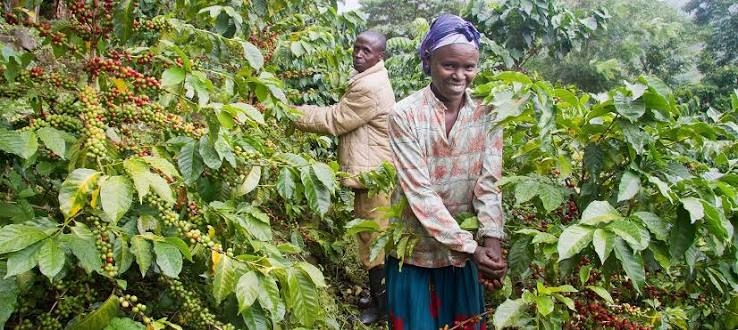
Tanzania's Kilimanjaro region grows some of Africa's finest arabica. Visit a Chagga cooperative farm for bean-to-cup — roasting, grinding, tasting — in the mountain's shadow.
 Full day
03
Full day
03
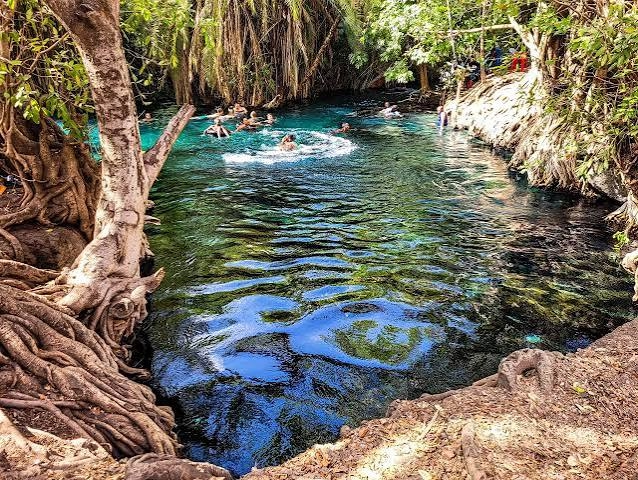
Natural turquoise pool fed by underground springs — the ideal post-climb recovery. Crystal-clear, 25°C, surrounded by fig trees. 90 minutes from Moshi.
 Half-day
04
Half-day
04
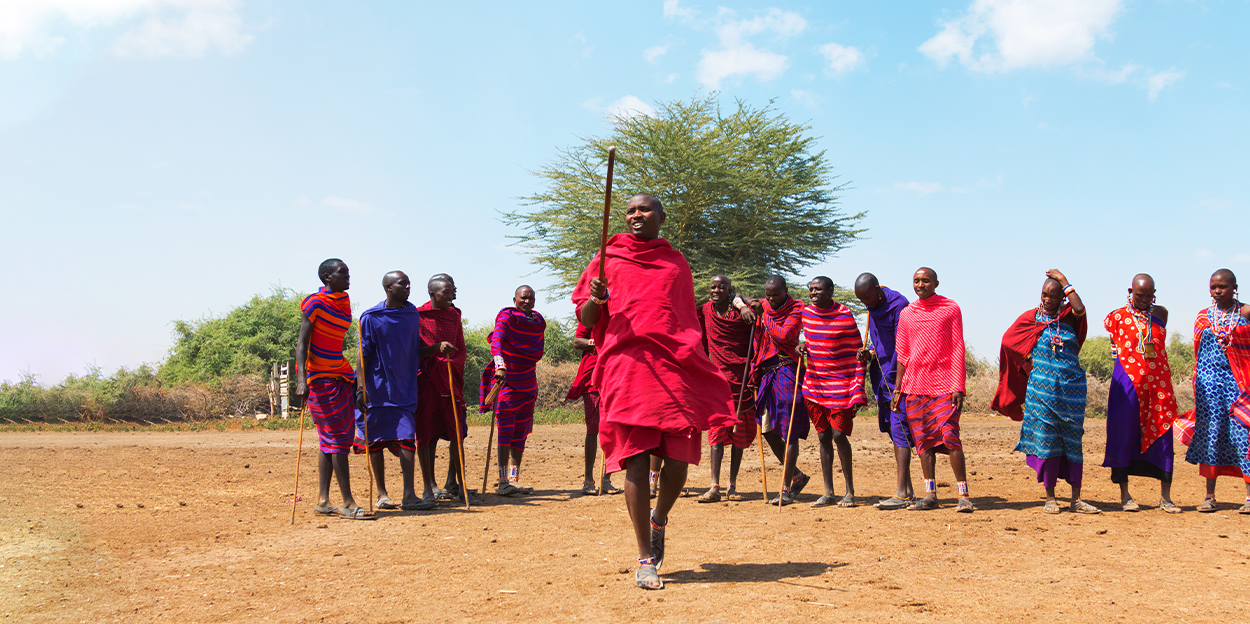
Visit a traditional Chagga homestead on the mountain's foothills — coffee farming, blacksmithing, and the underground caves once used to hide from Maasai raids.
 Full day
05
Full day
05
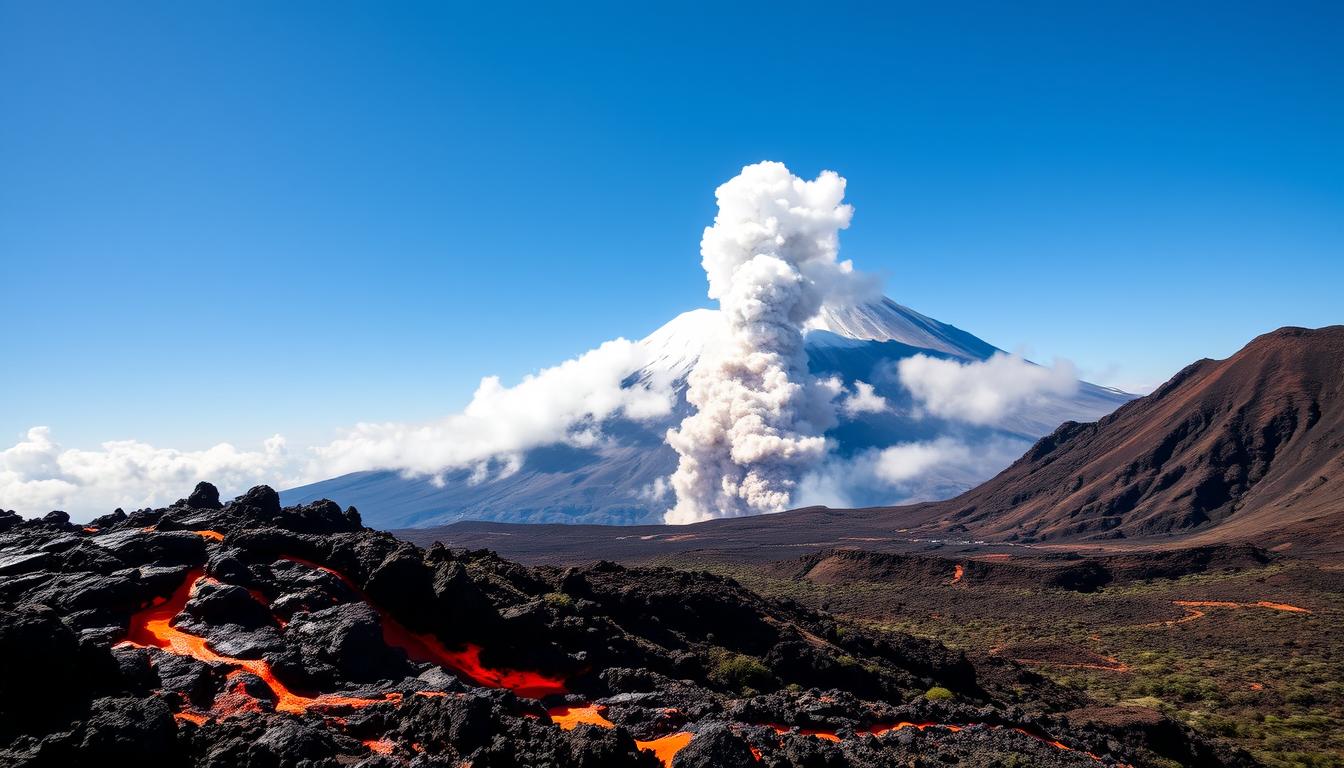
Drive to Shira Gate, day-walk across the volcanic plateau at 3,500m. Good acclimatization preparation if you're climbing the following week. Not part of the main climb.
 3–7 days
06
3–7 days
06
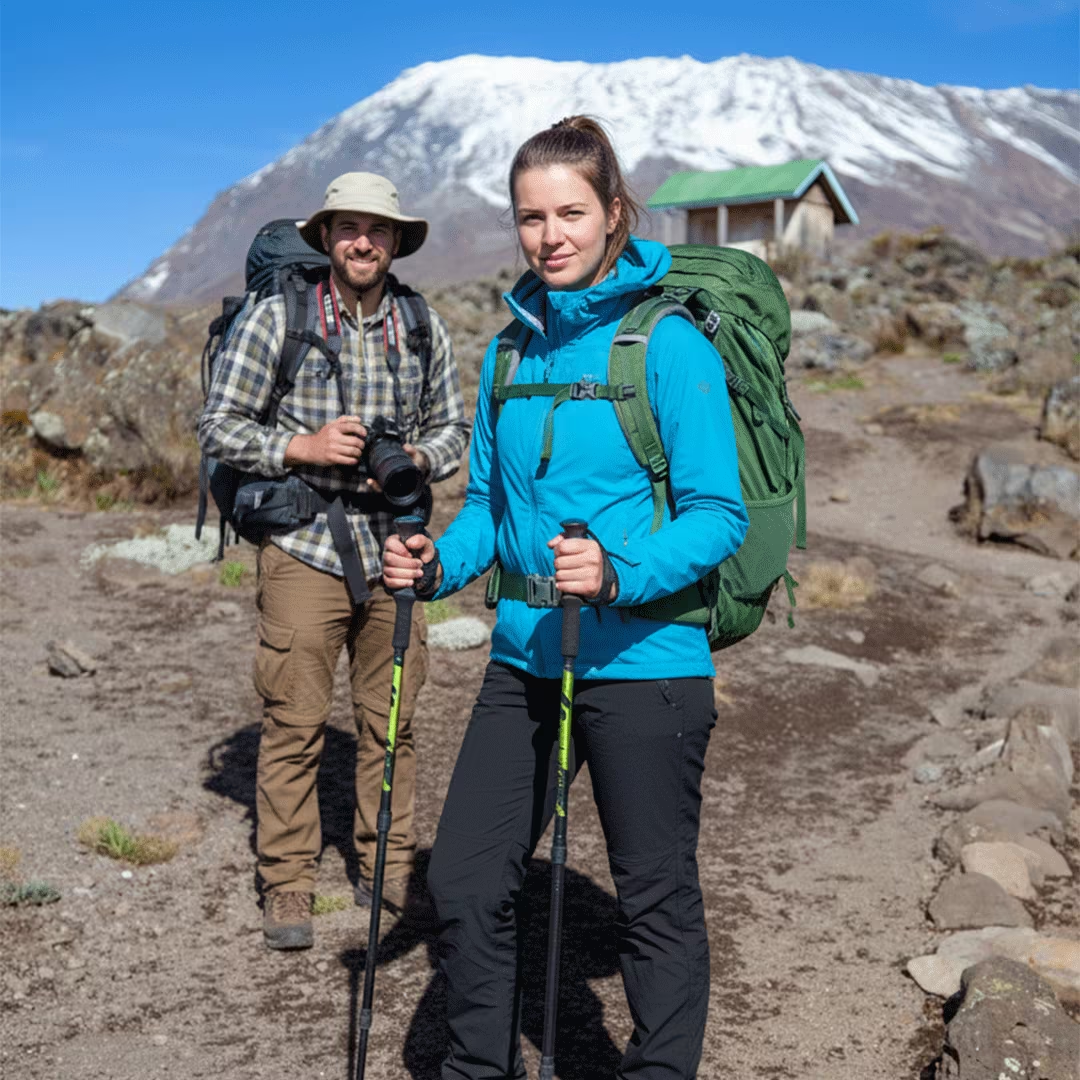
Most climbers pair Kilimanjaro with a short Northern Circuit safari — Tarangire, Ngorongoro, or Lake Manyara. We arrange both as a single continuous itinerary.