Tanzania Rewilded

Arusha · Tanzania
Est. 2015
Chapter I
A decade in the bush
Founded in 2015 by guides who grew up tracking leopards on foot. Built for travellers who know the difference.
Read our story
Chapter II
Summit on foot
Africa's highest peak, summited with our most experienced climbing guides. No shortcuts, full preparation.
Plan my summit
Chapter III
Authored for you
Every journey custom-built. Browse the most-requested shapes or begin with a blank page.
Begin your journey
Chapter IV
Every season, every region
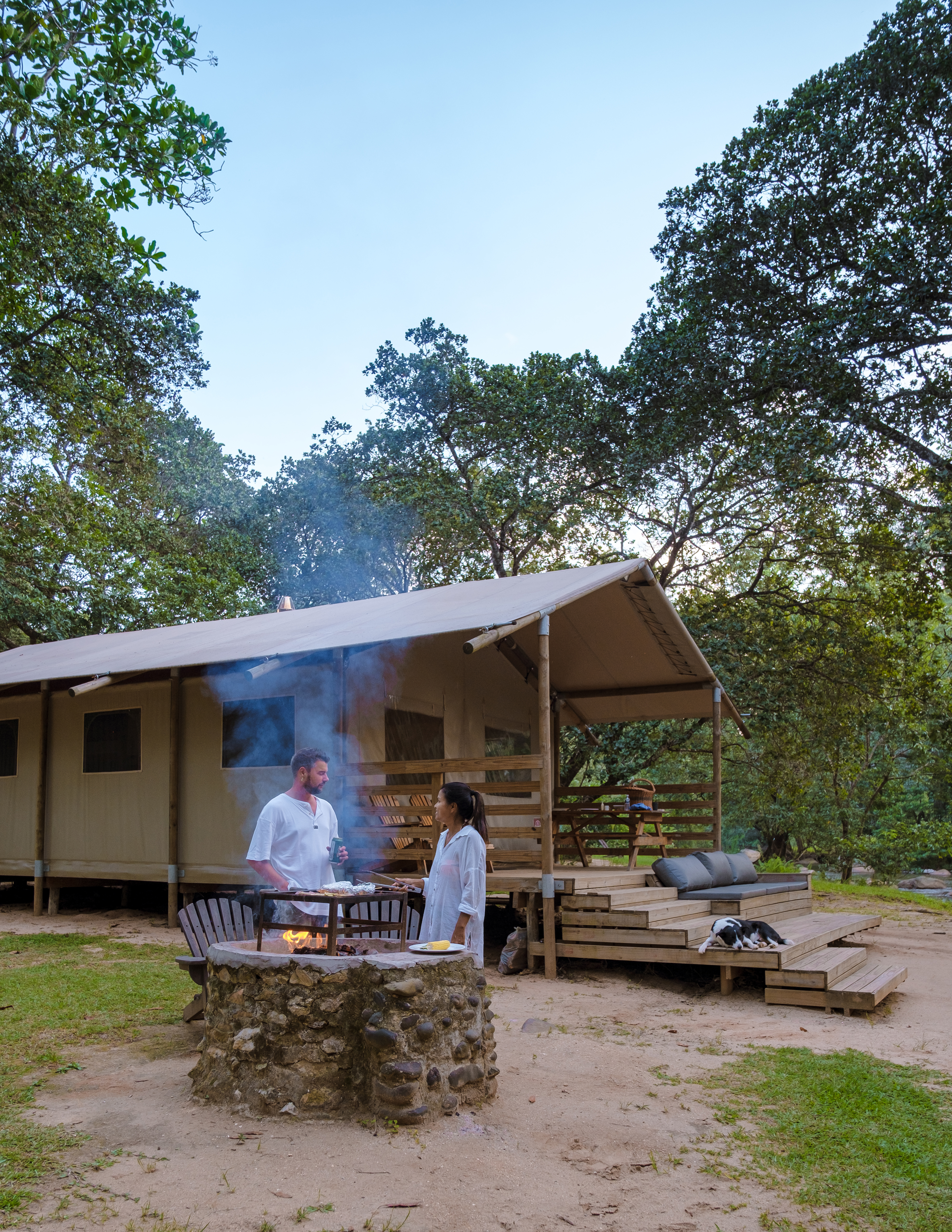
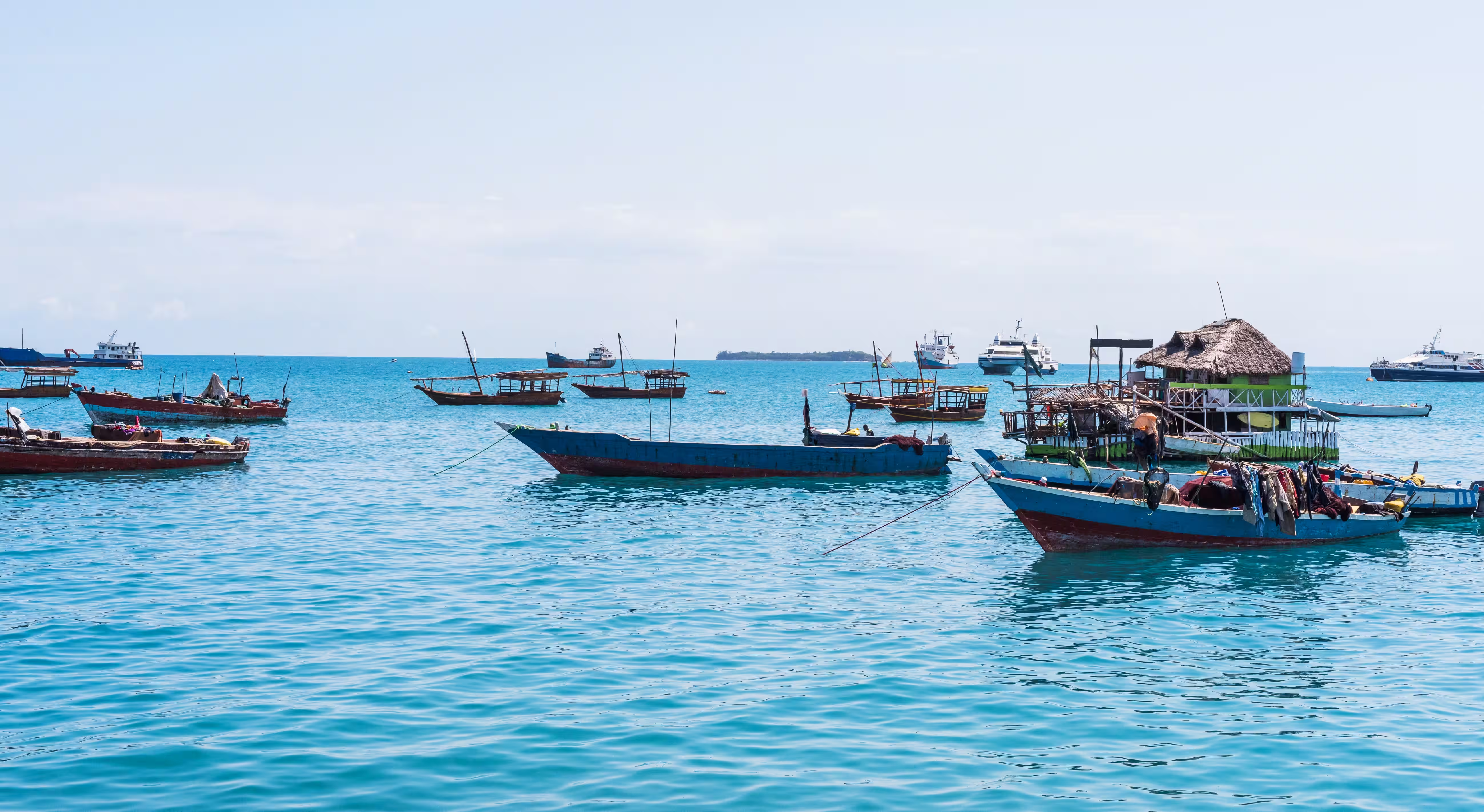
From Serengeti plains to Zanzibar reefs — we work only in regions we know by foot, by season, by name.
Explore Tanzania
Chapter V
The practical book
Seasons, visas, vaccinations, weather, tipping. Nothing glossed over. Written by people who live here.
Read the guide
Ruaha & Nyerere
7°40'S · 34°55'E
Ruaha 1964 · Nyerere 2019
Destination

The RoadLess Travelled

Tanzania's vast Southern Circuit. Ruaha National Park — the country's largest at 20,226 km². Nyerere — the largest game reserve in Africa. Half the tourists of the north. Twice the wilderness.

Venture south
20,226
km²
Ruaha — Tanzania's largest park
30,893
km²
Nyerere — larger than Belgium
10%
of tourists
The proportion visiting the south
12,000+
elephants
Largest population in East Africa
02
Why come south

Where the crowdsthin to nothing.

Ninety percent of Tanzania's safari traffic stays on the northern circuit — Serengeti, Ngorongoro, Tarangire. The south sees a tenth of that. The wildlife is just as dense, the experiences more varied (walking and boat safaris are permitted here, not in the north), and the camps more remote. This is where experienced safari-goers come after they've done the Serengeti once.

Southern Tanzania · Off-Season
Two parks, one circuit

Ruaha and Nyerere

Together they cover 51,000 km² — larger than most European countries. Most southern itineraries combine both.
Ruaha National Park
01
Tanzania's Largest Park

Ruaha National Park

20,226 km²

Rugged baobab country in the country's south-central highlands. The Ruaha River is the lifeline. Known for enormous lion prides (20+ strong), elephant concentrations, and rare predators — African wild dogs, striped hyena, cheetah.

  • Largest lion prides in East Africa
  • 12,000+ elephants
  • African wild dog stronghold
  • Hot, dry, remote
Nyerere National Park
02
Largest Game Reserve in Africa

Nyerere National Park

30,893 km²

Formerly the Selous Game Reserve. The Rufiji River cuts through the park — boat safaris along it are the signature experience. Home to hippos, crocodiles, and roaming African wild dog packs across the miombo woodland.

  • Boat safaris on the Rufiji
  • African wild dog packs
  • Walking safaris with rangers
  • Remote fly-camps
Predators of the south

The Six Animals That Define Here

The southern circuit's wildlife isn't like the north. Fewer tourists, rarer species, bigger prides. These are the six that bring serious safari travellers back.
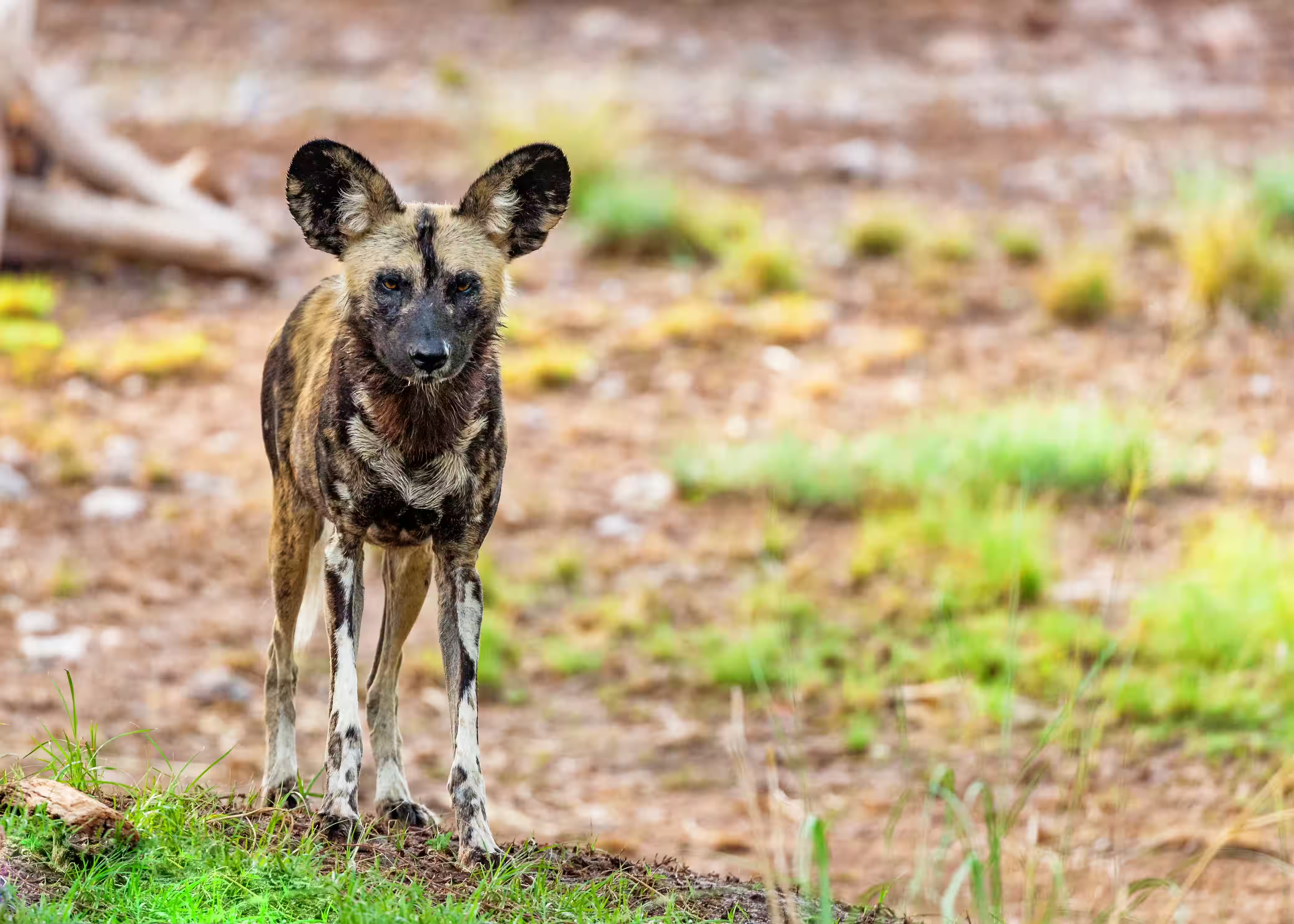
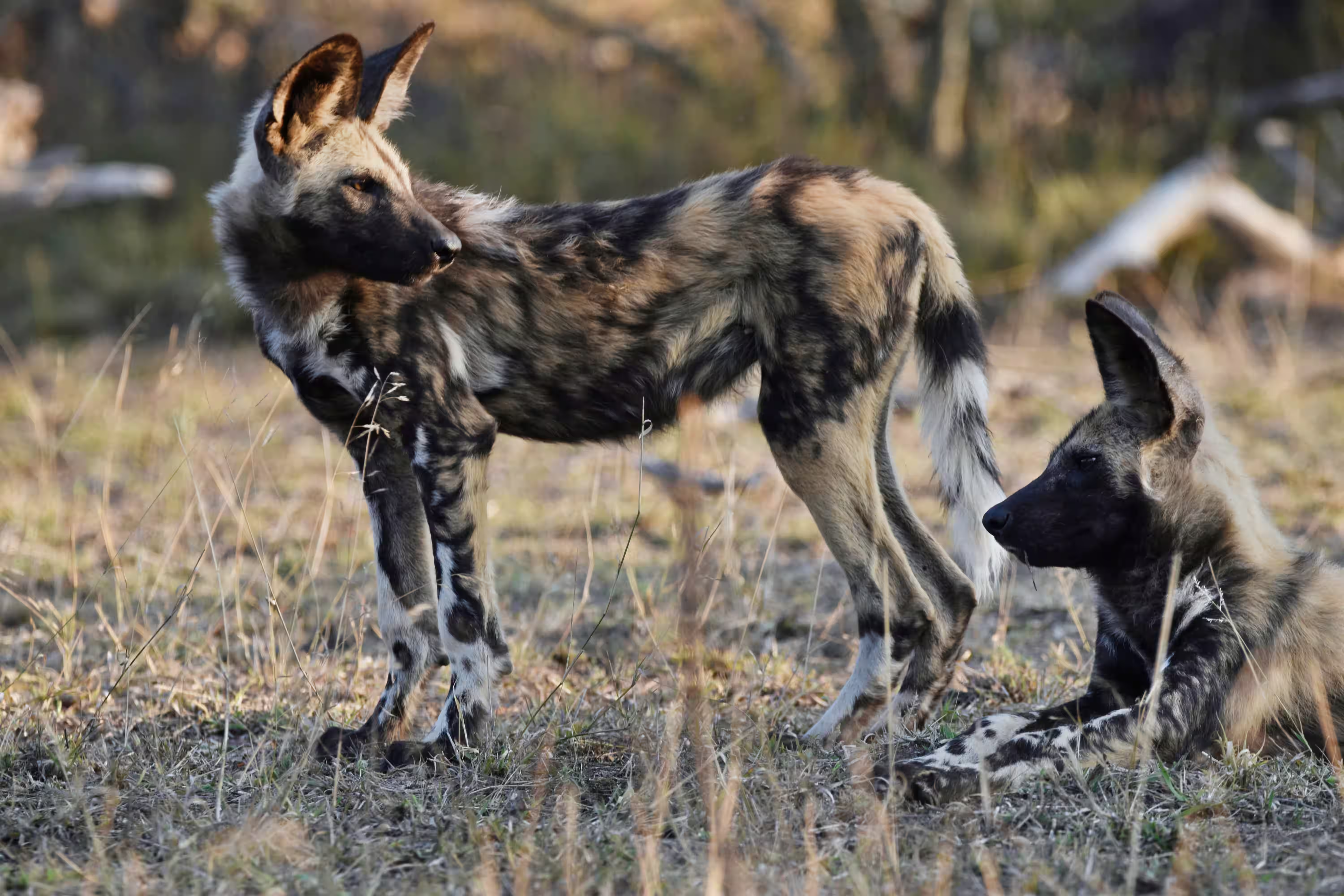
African Wild Dog Endangered
01 / 06

African Wild Dog

200+Largest population in Tanzania

The southern circuit holds one of Africa's largest remaining wild dog populations. Packs of 10–30 roam both parks — watching them hunt is a rare privilege.

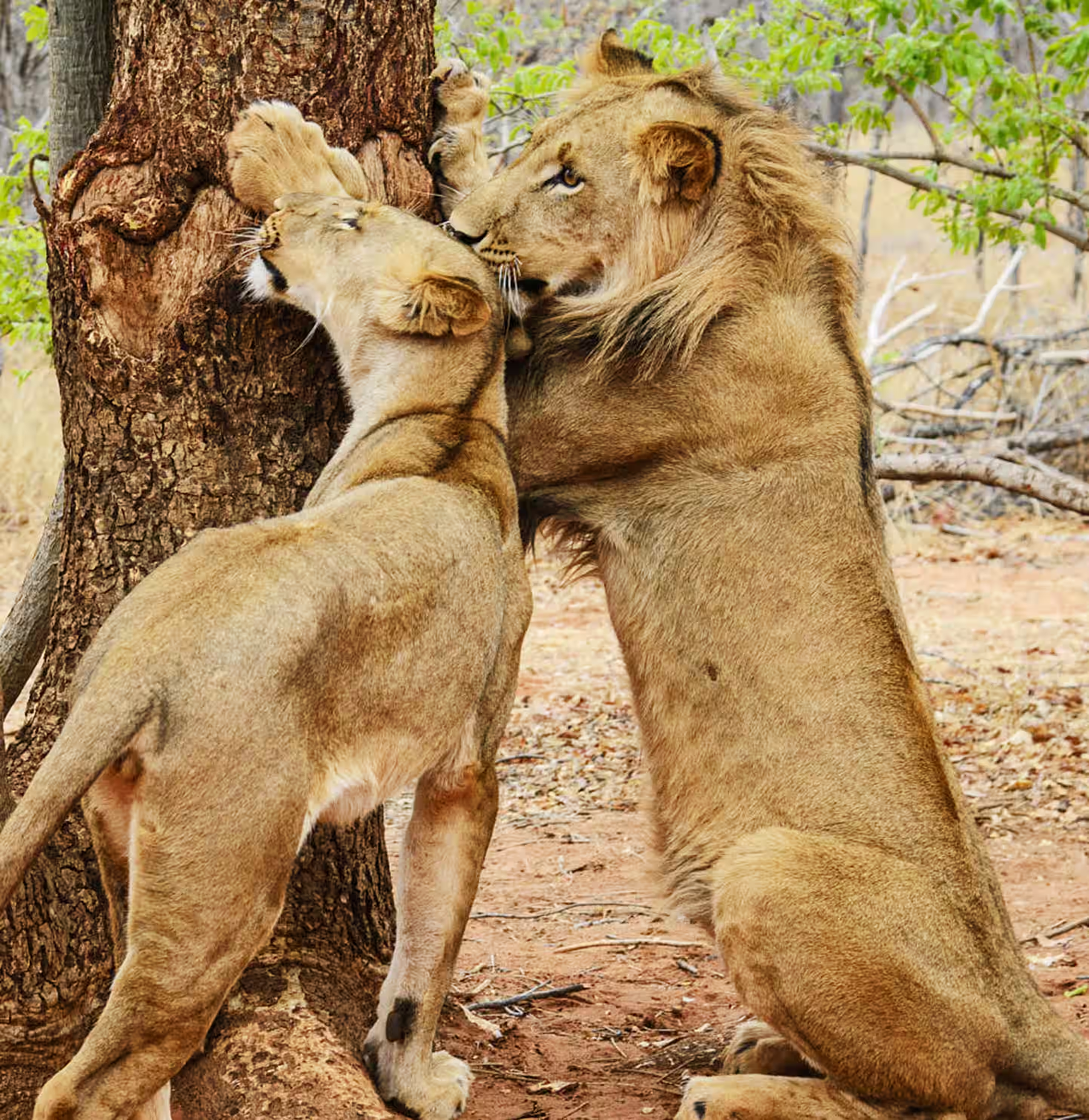
Lion Abundant
02 / 06

Lion

20+Prides per territory

Ruaha has Tanzania's largest lion prides — groups of 20-plus are regular. The terrain forces them into the open in dry season, making sightings dramatic.

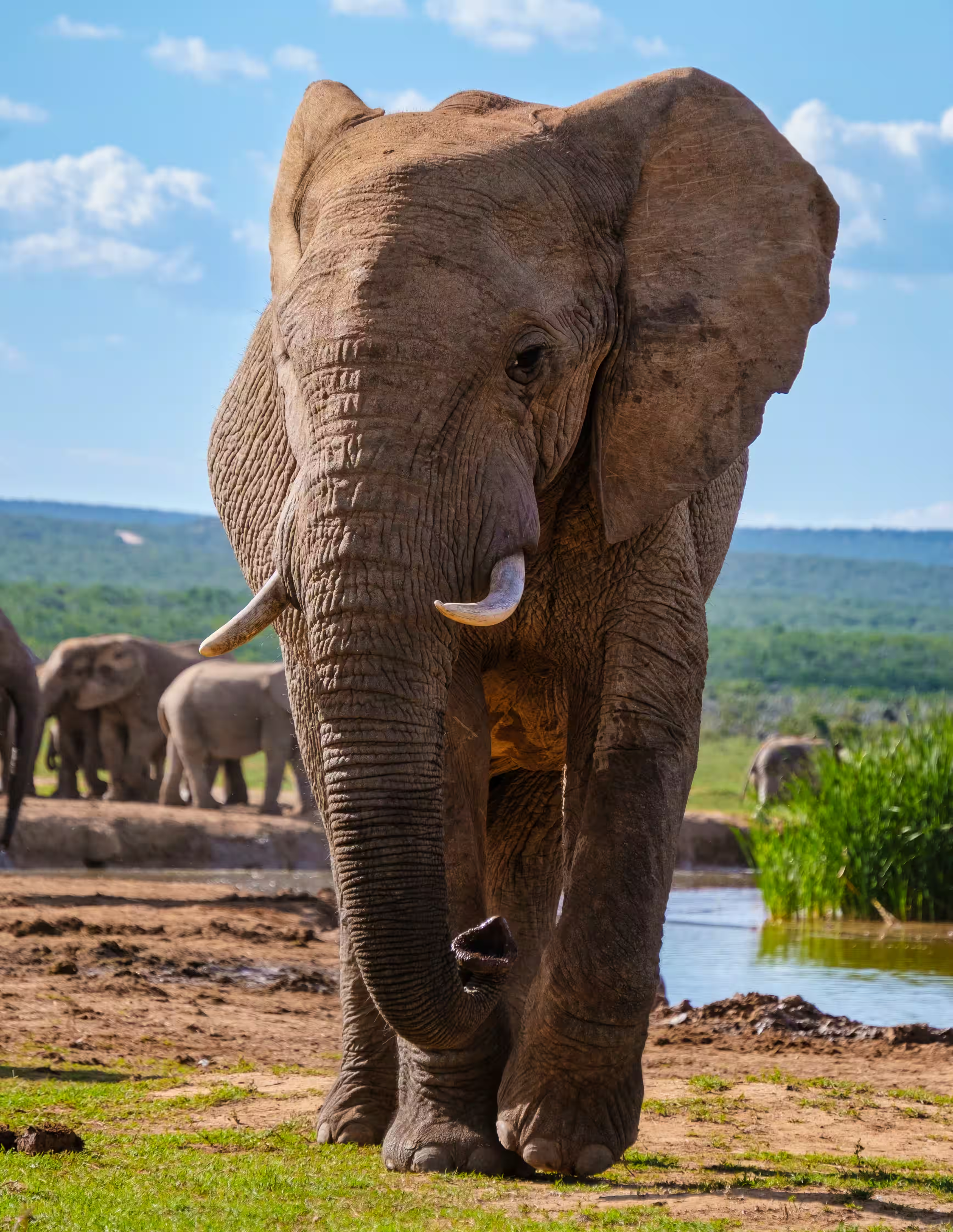
Elephant Abundant
03 / 06

Elephant

12,000+In the ecosystem

The southern circuit holds more elephants than anywhere in East Africa. Along the Ruaha River in dry season, bulls gather in numbers you'll see nowhere else.

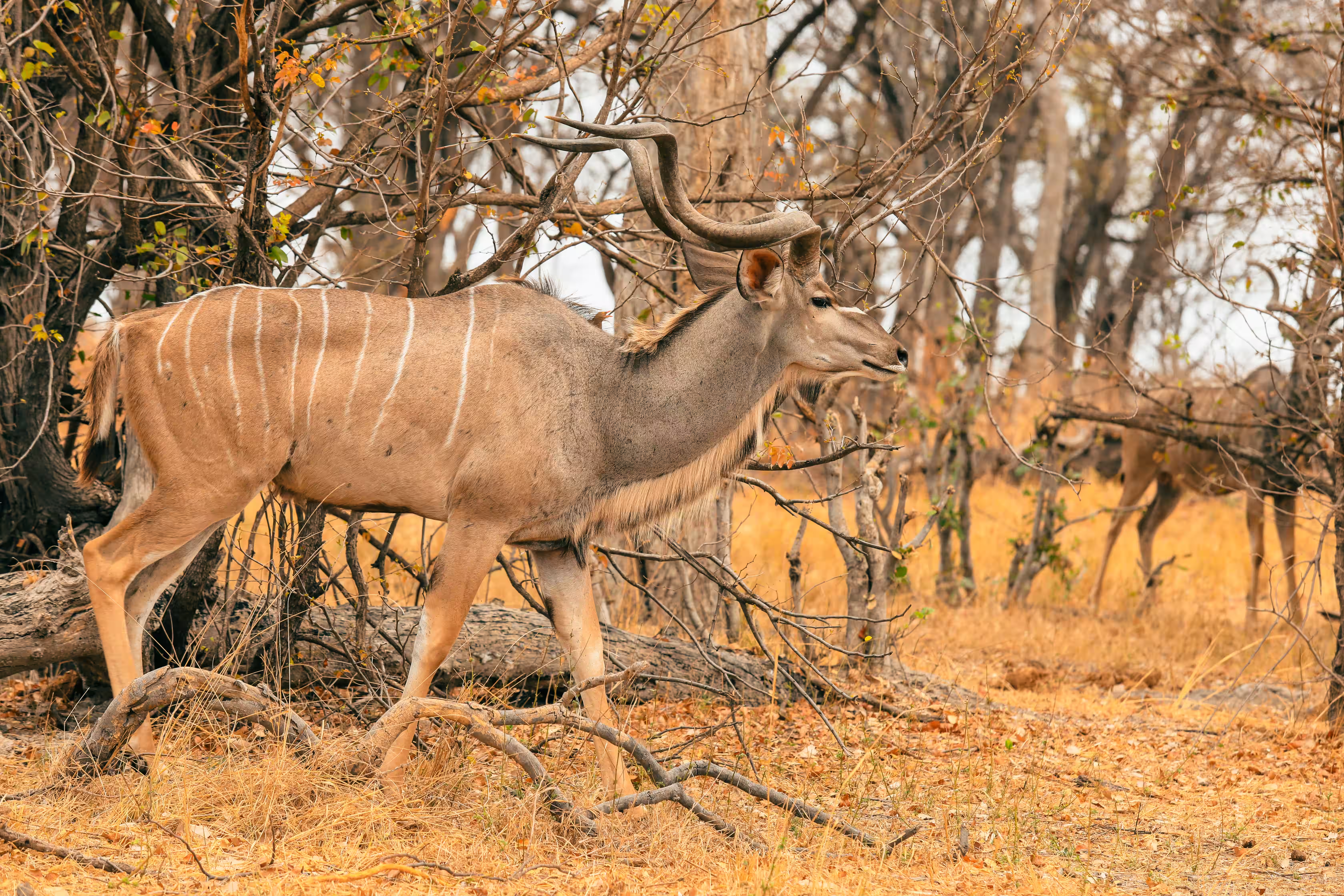
Greater Kudu Uncommon elsewhere
04 / 06

Greater Kudu

CommonRuaha specialty

Ruaha is one of the few places in East Africa to reliably see greater kudu. The males' spiral horns are unmistakable — best spotted in thick bush near rocky outcrops.

Sable & Roan Rare
05 / 06

Sable & Roan

RareSouthern speciality

Two of Africa's most striking antelope — both found in Ruaha. Sable's jet-black coat with white face markings is a highlight for serious wildlife travellers.

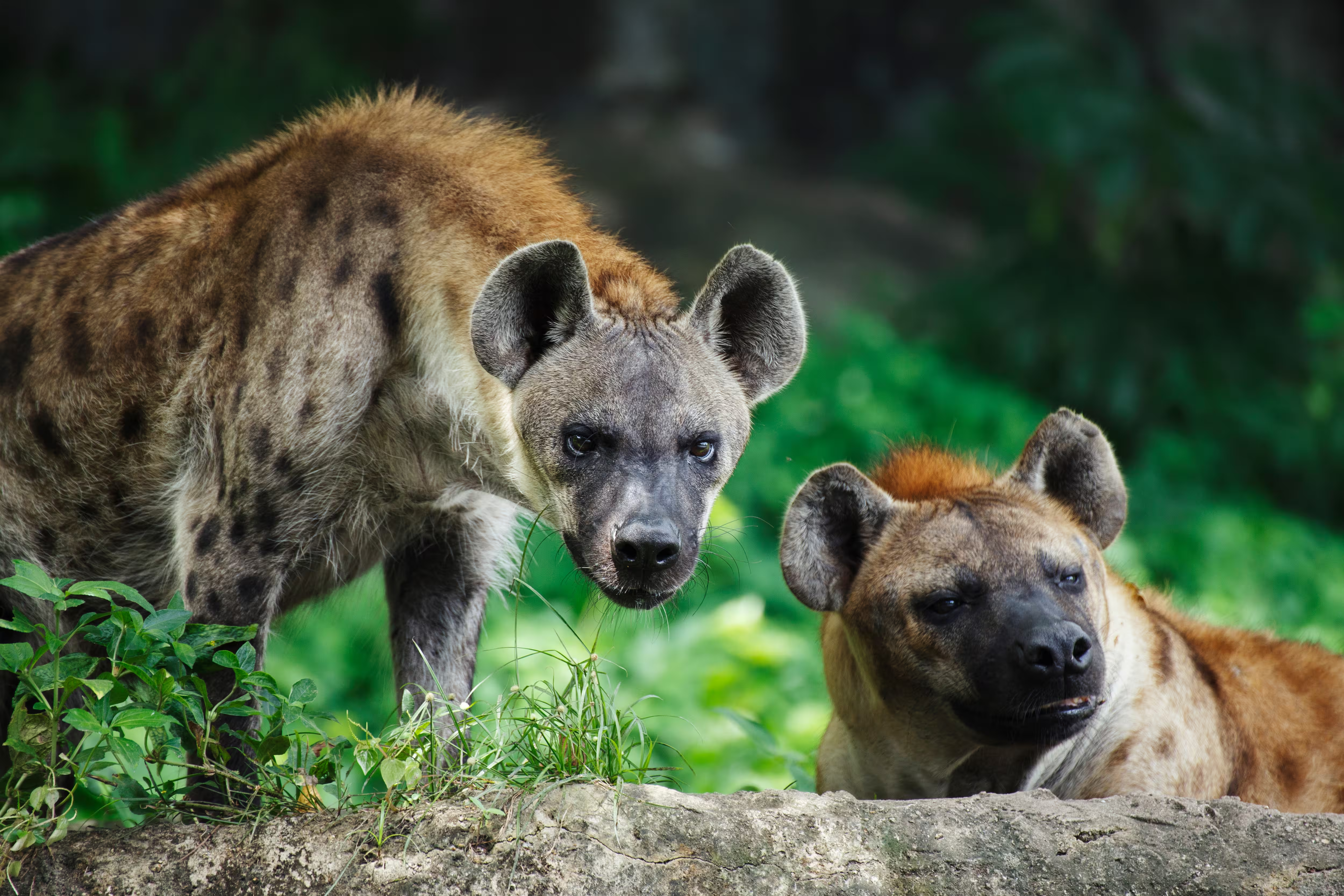
Striped Hyena Rare
06 / 06

Striped Hyena

PresentRarely sighted

Ruaha holds the southernmost population of striped hyena in Africa. Nocturnal and elusive — a genuine bonus sighting for experienced safari travellers.

Four reasons to come

What the South Offers the North Doesn't

The southern circuit has permissions and landscapes the north can't match. These are its signature experiences.
Walking safaris 01
Both parks

Walking safaris

Unlike the Serengeti, walking safaris are permitted in Ruaha and Nyerere. Half-day or multi-day walks with an armed ranger. Completely different way to read the bush.

Boat safaris 02
Nyerere — Rufiji River

Boat safaris

The Rufiji is one of the largest river systems in East Africa. Hippo pods of 50, crocodiles, elephant herds coming to drink, and some of the best river birdlife on the continent.

Fly-camping 03
Both parks

Fly-camping

Sleep out in a light mobile camp deep in the bush — no fences, minimal infrastructure, just you and the sounds of the night. Arranged as part of walking itineraries.

Wild dog tracking 04
Both parks

Wild dog tracking

African wild dogs are endangered across most of the continent. The southern circuit holds some of the largest populations remaining. Guides know the territories.

Where to stay

Three Tiers of Bush Camp

The southern circuit's accommodation philosophy is different from the north — fewer camps, more space, higher quality. All three tiers deliver wilderness immersion.
Fly-in Luxury
01
Both parks — remote

Fly-in Luxury

$1,200–$2,400/night

Exclusive-use camps reached only by light aircraft. Private guides, intimate 6–8 tent layouts, and unmatched wilderness isolation. This is what the south is truly built for.

  • Private airstrips
  • Exclusive-use options
  • Walking & boat safaris included
  • All-inclusive pricing
Enquire
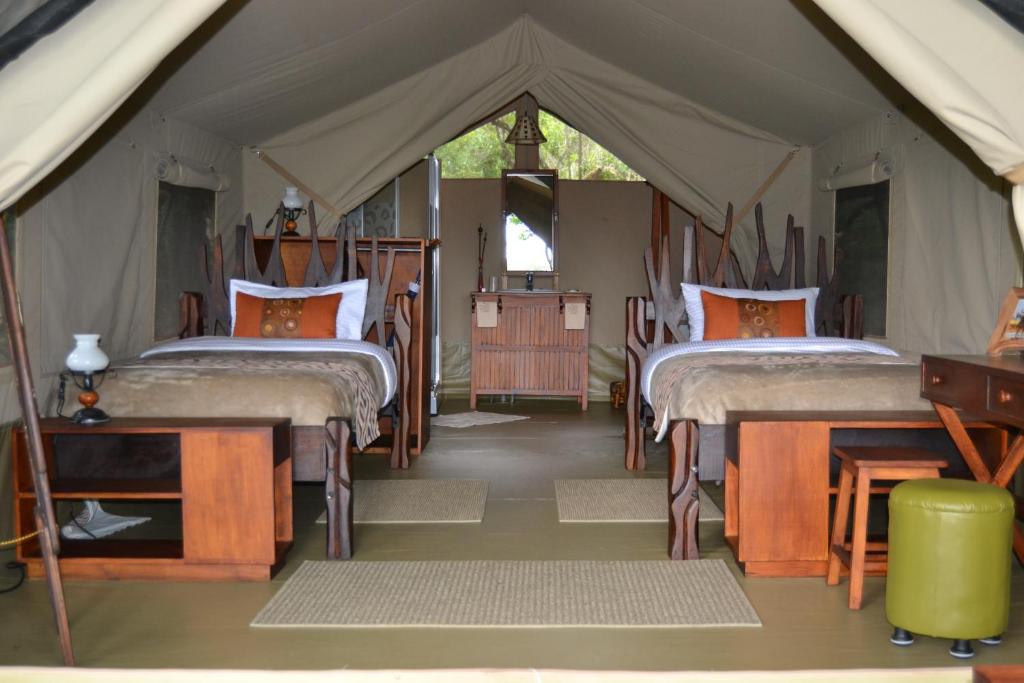
Classic Tented Camps
02
Ruaha & Nyerere main sectors

Classic Tented Camps

$680–$950/night

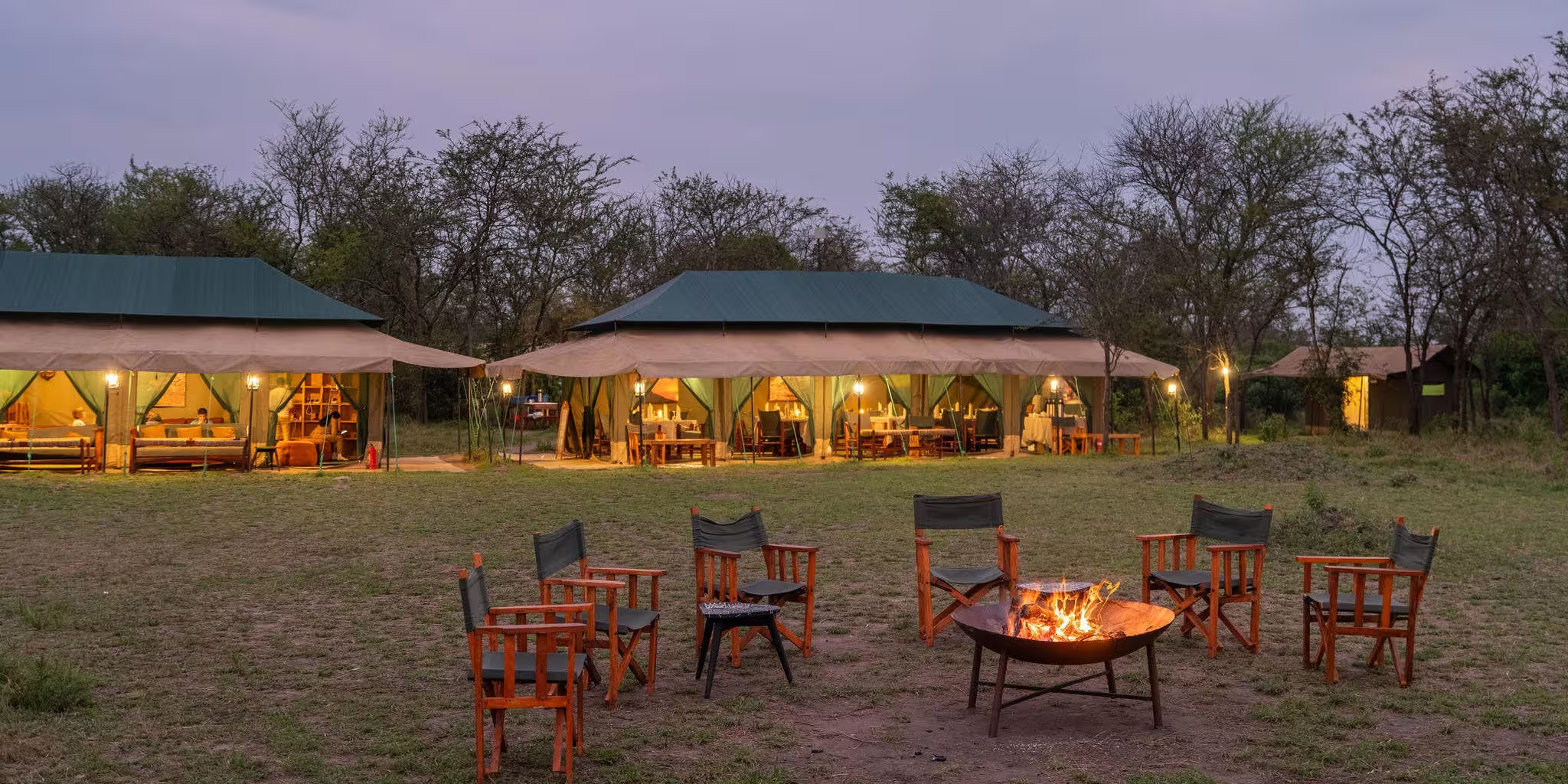
Established bush camps with 10–16 tents. Full-board dining, twice-daily activities, excellent guiding. The mid-range choice for most southern safaris.

  • Seasoned guides
  • En-suite safari tents
  • Shared game drives
  • Walking safaris offered
Enquire
Value Bush Lodges
03
Park entrance areas

Value Bush Lodges

$380–$520/night

Lodge-style accommodations just outside park boundaries. Lower cost, good facilities, daily drives into the parks. Best for longer stays on a budget.

  • Permanent structures
  • Pool and dining
  • Optional activities
  • Strong value
Enquire
Areas within

Where Inside the Parks

Ruaha

Mwagusi & Jongomero

The central sector along the Mwagusi River. Most of Ruaha's tourism infrastructure is here — though 'most' still means only a handful of camps.

Ruaha

Northern Wilderness

Remote northern areas including the Mzombe and Mdonya rivers. Rarely visited. Best for multi-day fly-camping expeditions.

Nyerere

Rufiji River Zone

The boat safari area. Lodges cluster along the Rufiji — the river changes dramatically between dry and wet seasons.

Nyerere

Lake Manze / Lake Tagalala

Interconnected lakes fed by the Rufiji. Exceptional birding, crocodiles, and hippos. Lake Tagalala has natural hot springs nearby.

Logistics

Before You Book the South

Getting there
Fly-in only. Light aircraft from Dar es Salaam or Arusha to Ruaha's Msembe airstrip (2 hours) or Nyerere's Siwandu airstrip (45 min from Dar)
Combining
Most itineraries pair Ruaha with Nyerere across 7–10 days. Also combines well with Zanzibar afterwards.
Best time
Jun – Oct is the dry season peak. Jan – Feb for green season / birding. Long rains Mar – May make some roads impassable.
Camps
Small bush camps (6–12 tents) are the norm. Almost no large lodges. Pricing reflects remoteness.
Not recommended for
First-time safari-goers (start in the north), very young children (walking safaris require a minimum age), or those on tight budgets.
Best suited to
Repeat safari travellers, walking enthusiasts, photographers who want emptier landscapes, serious wildlife enthusiasts.
Sample itinerary

Seven Days in the South

One possible shape. Every trip we build is different — this is a starting point to react to.
Day1

Arrival · Dar es Salaam

Arrive Julius Nyerere International. Overnight at a coastal lodge. Brief city orientation if arriving early.

Day2

Fly to Nyerere

Morning flight to Siwandu. Afternoon boat safari on the Rufiji — hippos at sunset, yellow-billed storks, fish eagles.

Day3

Nyerere walking safari

Full-day walking with an armed ranger. Miombo woodland, tracking skills, possible lion or wild dog encounters.

Day4

Fly to Ruaha

Scenic flight across southern Tanzania. Afternoon game drive along the Ruaha River — elephants, lion prides, baobabs.

Day5

Ruaha deep safari

Full day exploring the Mwagusi river systems. Large prides, kudu, Grant's gazelle, possible cheetah.

Day6

Ruaha fly-camp night

Walking safari into a remote area — overnight in a mobile fly-camp. Dinner under the stars. No vehicles, no fences.

Day7

Fly out · Depart or connect

Morning flight back to Dar or direct to Zanzibar for beach extension. End of safari.

— Your southern safari

Walk. Boat. Fly-Camp.

Southern Tanzania isn't a first-safari destination. But if you've already done the north — or if you want something different from day one — let's talk.

Loading itinerary…
Saved Trips