Ruaha or Serengeti: Which Tanzania Safari Park Should You Choose
Tanzania presents a strategic decision between two distinct wilderness territories. The northern circuit features the iconic plains, while the southern reaches host expansive mbuga systems. Each landscape offers a unique tanzania safari based on specific ecological zones and visitor density.
This choice often dictates the rhythm of your daily observations. Travelers often select one region due to logistical constraints and timing. The northern territory spans 14,750 square kilometers of savanna.
In contrast, the southern national park covers 20,226 square kilometers of rugged bush. For expert planning, call 0752761705 to discuss your next adventure. Our team provides field insights to help you navigate these vast terrains effectively.
Deciding on a destination like ruaha or serengeti requires analyzing predator densities and seasonal shifts. This report provides factual data to ensure your next safari aligns with the reality of the land. It is vital to compare the square footage and accessibility of each zone.
We examine these parks to help you understand the national park system. Our objective analysis focuses on measurable outcomes to ensure your safari meets high standards among these diverse parks. We rely on field reports and geographic data to provide a clear comparison.
Key Takeaways
- The Serengeti covers 14,750 square kilometers in the northern circuit.
- Ruaha National Park spans 20,226 square kilometers in the south.
- Travelers usually choose one park due to distance and logistics.
- Northern parks offer world-famous migration patterns and savanna views.
- Southern parks provide a rugged, less-crowded wilderness experience.
- Selection depends on predator density and seasonal wildlife movements.
Understanding Tanzania's Two Safari Powerhouses
Understanding the logistical and ecological differences between the north and south is essential for any serious expedition to Tanzania. The country maintains two distinct wildlife icons that define the East African experience through their unique terrains.
We observe these lands as vital ecological strongholds that require different approaches for exploration. One offers a legendary spectacle of seasonal movement across endless plains. The other provides a rugged, stationary silence within a vast frontier.
Serengeti National Park: The Great Migration Epicenter
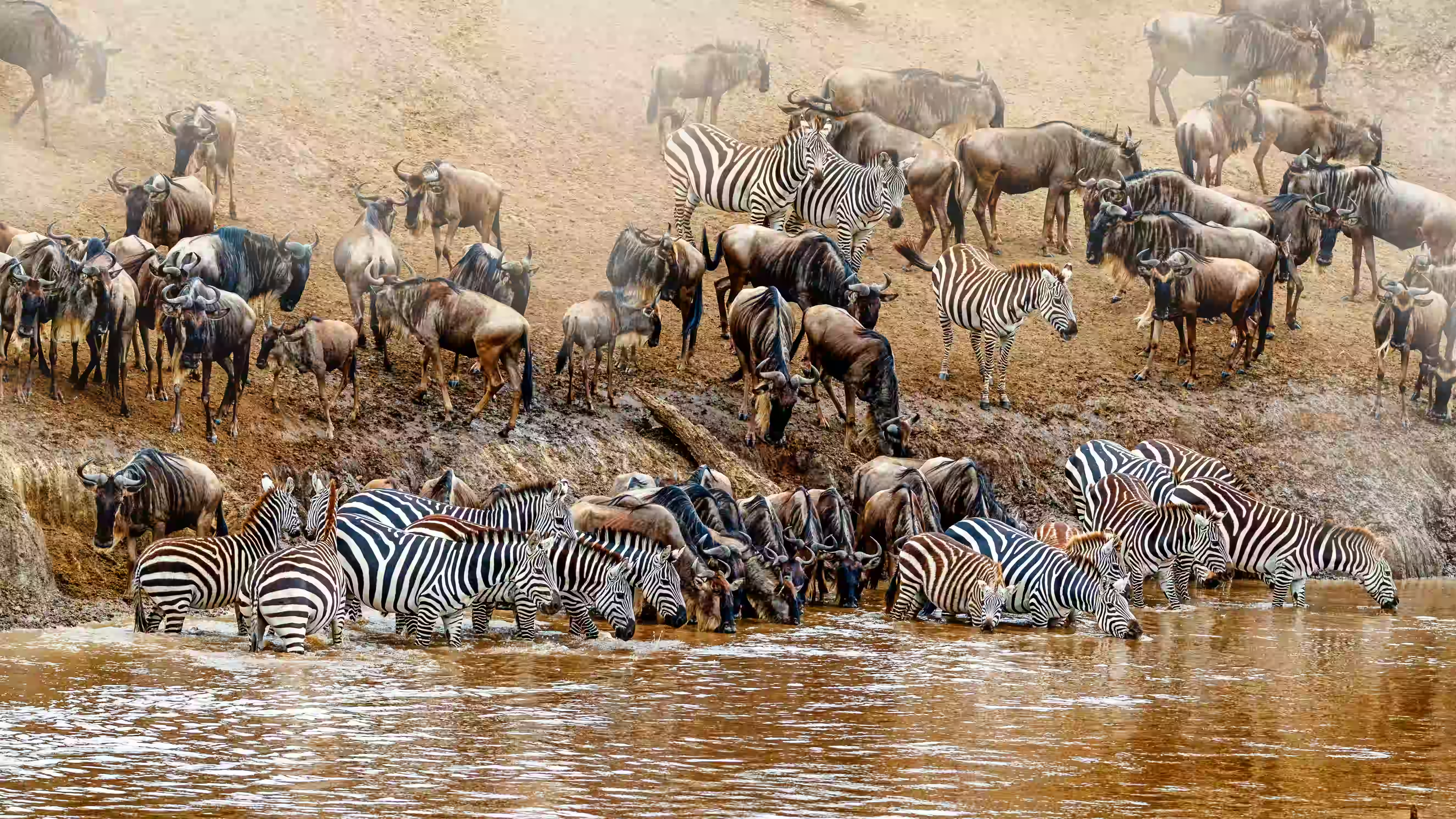
The Serengeti National Park anchors the northern safari circuit across 14,750 square kilometers of volcanic soil. This terrain serves as the primary stage for the Great Migration, a massive annual movement of wildebeest and zebra herds.
From May to July, the herds concentrate in the Seronera region, creating intense predator interactions. The serengeti national ecosystem includes specialized zones like the Western Corridor, home to the 340,000-acre Grumeti Game Reserve.
These specific regions offer a unique view of the migratory path. The Great Migration represents a cycle of life that dictates the rhythm of the entire northern region.
Ruaha National Park: Southern Tanzania's Wild Frontier
In contrast, Ruaha National Park stands as a massive protected area covering 20,226 square kilometers in southern Tanzania. This park remains a frontier wilderness, far from the high-traffic routes of the northern circuits.
The Great Ruaha River system and the seasonal Mwagusi River define the landscape here. Ancient baobab trees dominate the horizon, and visitor density remains significantly lower than in other regions.
The ruaha national experience focuses on solitude and a raw, unscripted view of the African bush. It operates as a wild territory with limited lodge infrastructure, preserving its status as a best-kept secret.
To understand the Serengeti is to understand motion; to know Ruaha is to respect the silence of the ancient river.
Size, Location, and Accessibility Compared
The distance between these destinations necessitates careful planning because they occupy opposite regions of the country. Reaching the serengeti national territory involves flying into Kilimanjaro International Airport followed by a domestic flight to Seronera.
Accessing southern Tanzania requires a flight to the Iringa airstrip. Auric Air provides regular scheduled services between these major hubs and the remote national park strips.
Conservation funding models also differ between the two locations. Serengeti fees average $150 per person daily, while ruaha national park charges approximately $100 for similar access.
| Feature | Serengeti | Ruaha |
|---|---|---|
| Geographic Size | 14,750 sq km | 20,226 sq km |
| Primary Access | Seronera Airstrip | Iringa Airstrip |
| Typical Daily Fee | $150 USD | $100 USD |
| Key Landmark | Grumeti River | Mwagusi River |
Ruaha or Serengeti: Wildlife Viewing and Landscapes
Wildlife patterns and topographical features define the distinct identities of both Ruaha and the Serengeti. For the traveler, the choice depends on whether they prefer the high-density action of the open plains or a more secluded viewing experience. Both regions offer exceptional landscapes, yet their biological makeup follows different rules of nature.
Wildlife Populations: Elephants, Predators, and Big Five
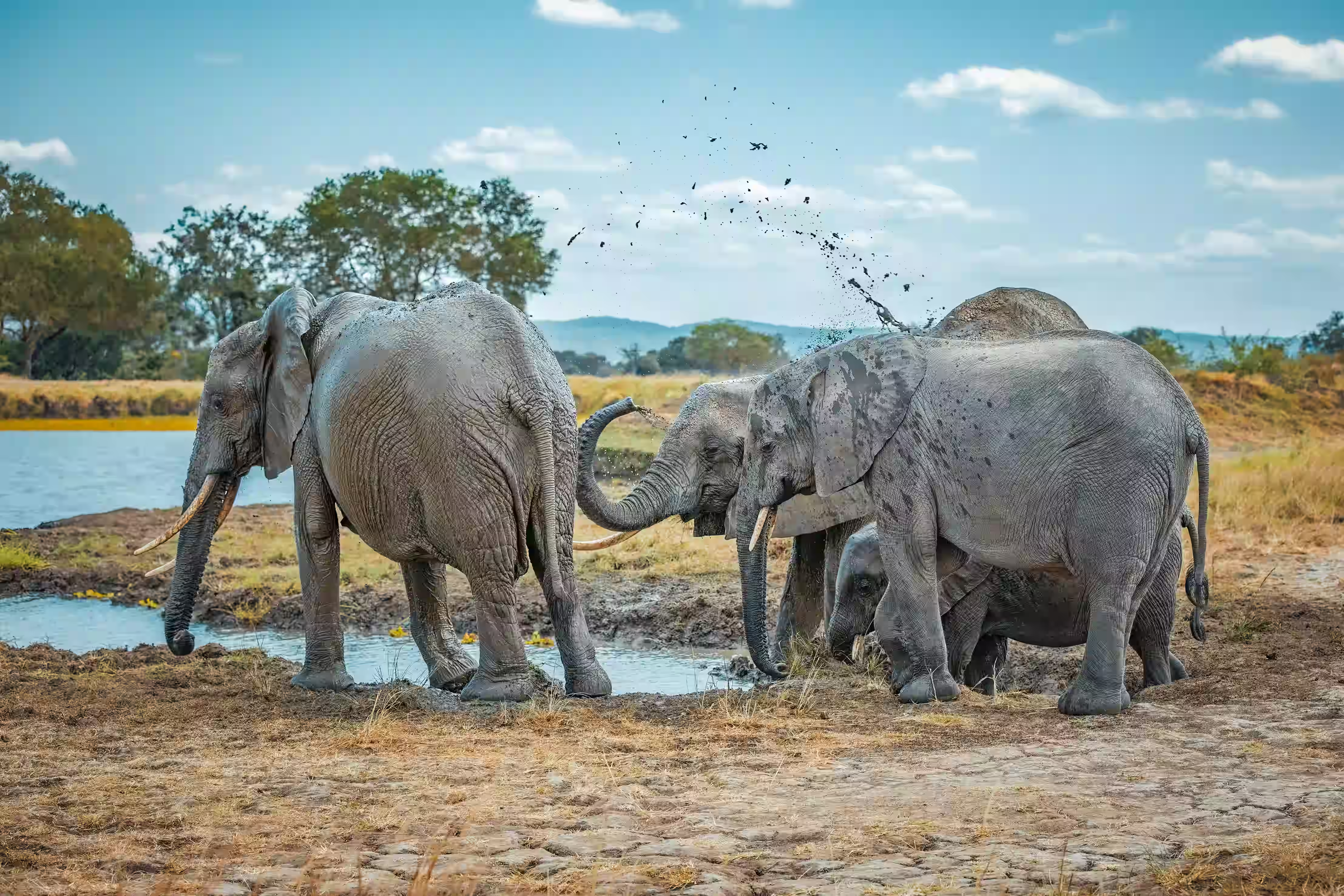
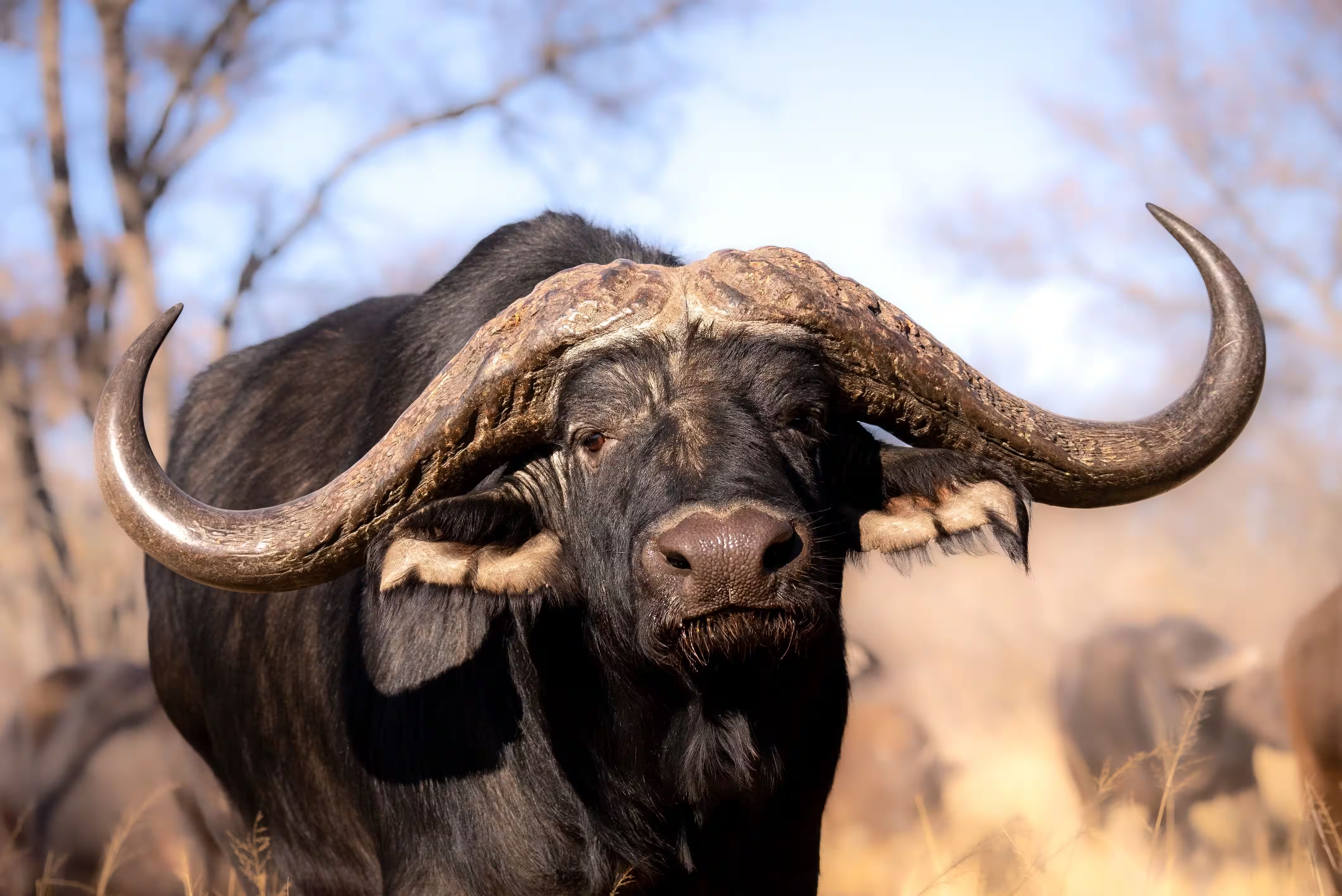
Field reports from Ruaha document East Africa’s largest concentrations of elephants. One specific observation recorded a multi-generational herd of sixteen individuals, ranging from the matriarch to young juveniles. This high elephant density makes the park a primary destination for those studying pachyderm behavior.
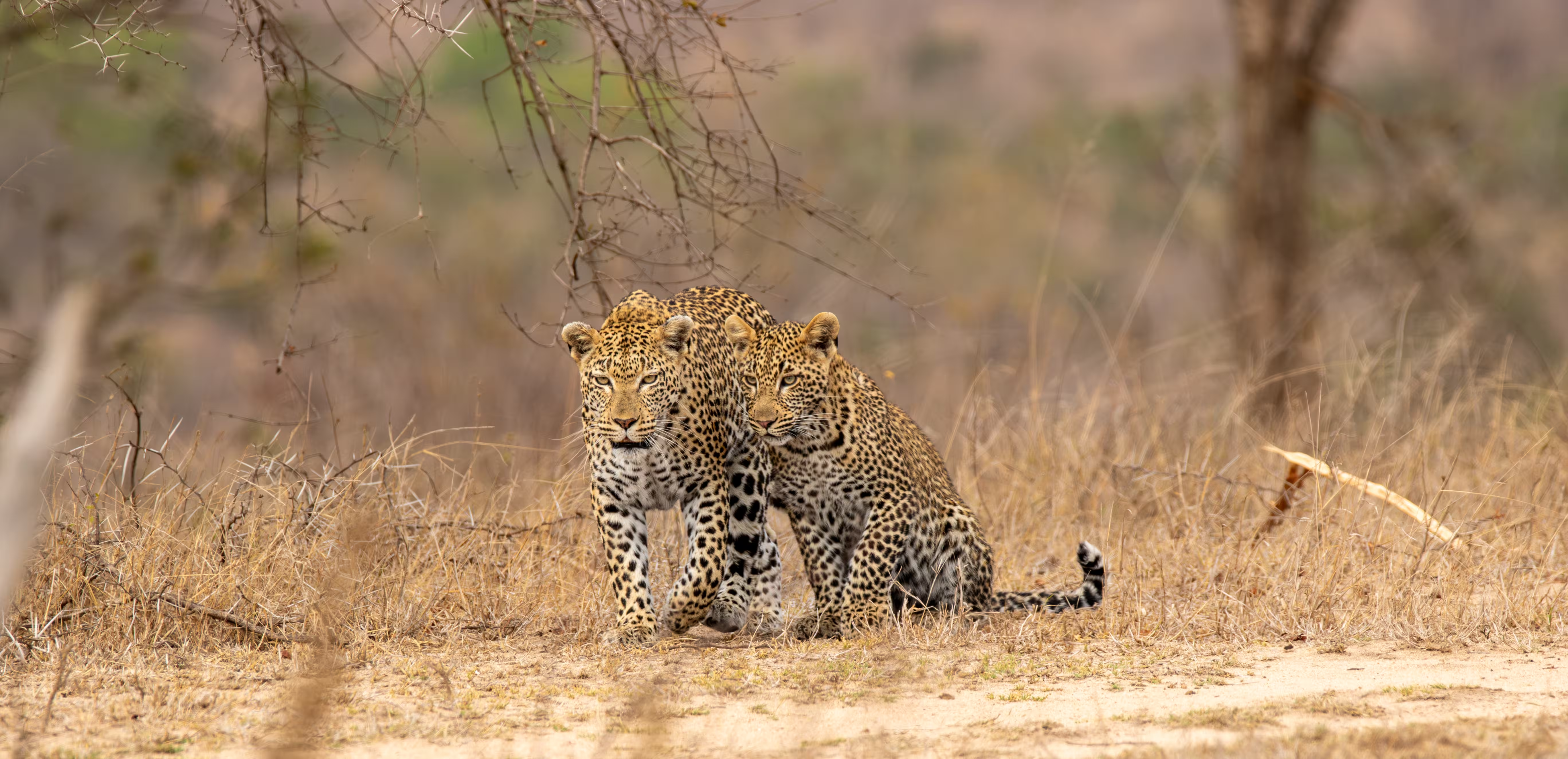
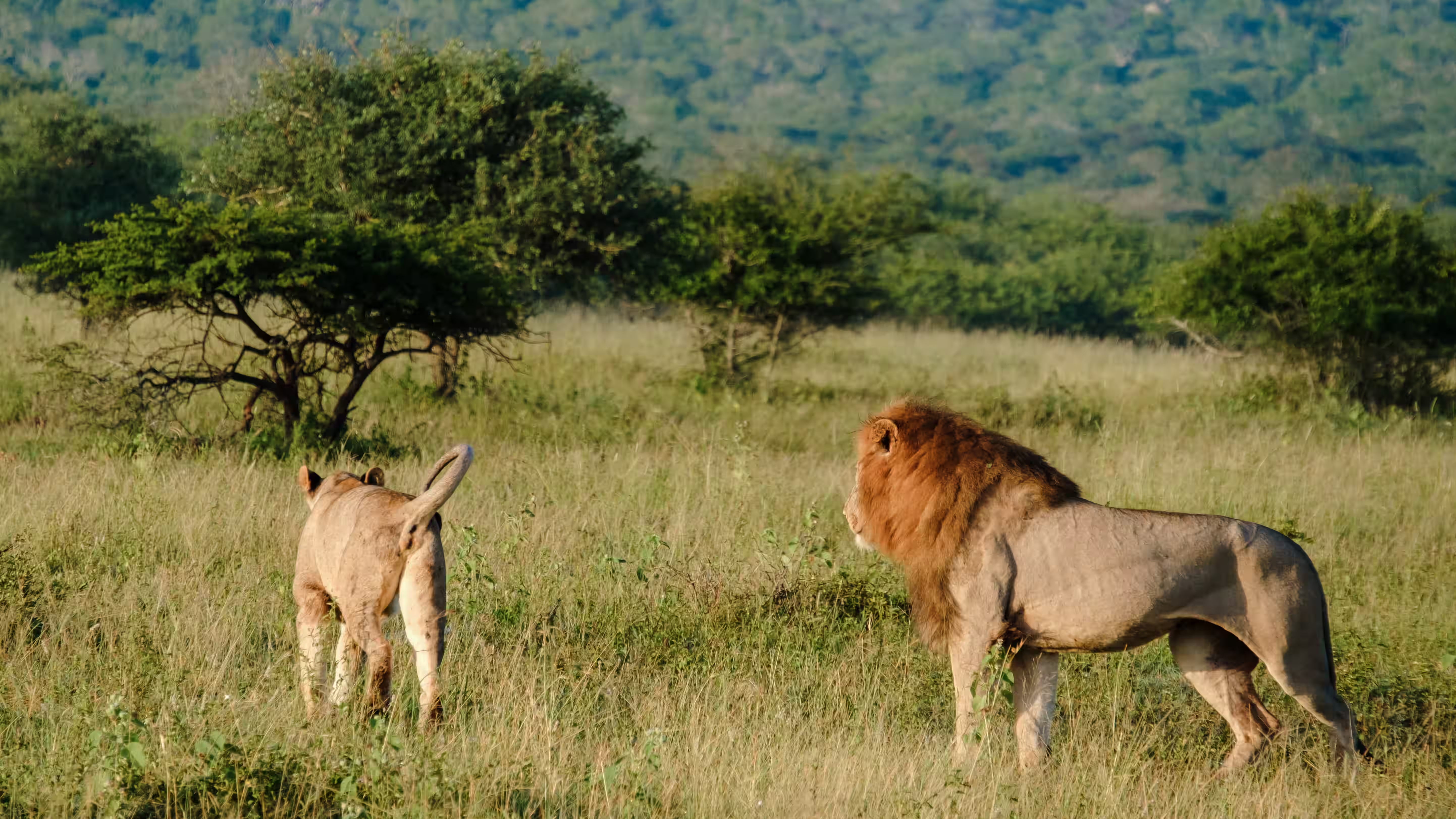
The Serengeti remains a stronghold for large predators, specifically lions and leopards. Field data shows that the Seronera region offers some of the most consistent sightings in Africa. Observations often include lions in prides of seven or more, including mating pairs and active cubs.
Ruaha holds an advantage in predator diversity within a single territory. Beyond the Big Five, the park supports populations of the endangered African wild dog. Night drives in Ruaha have successfully documented four of the Big Five and the entire "Ugly Five" during a single excursion.
The Great Migration Factor in Serengeti
The annual migration is the defining biological event of the Serengeti ecosystem. Millions of wildebeest and zebras move in massive columns that create visible lines extending to the horizon. This movement dictates the rhythm of the entire park throughout the year.
This event provides a specific type of wildlife viewing where predator-prey interactions are frequent and dramatic. As these animals traverse the short-grass plains, they attract constant attention from cheetahs and hyenas. The sheer scale of this movement is unmatched by any other protected area in Tanzania.
Landscape Diversity: Plains vs Rugged Wilderness
The two parks offer contrasting landscapes that dictate how visitors track wildlife. While the Serengeti is famous for its vast, unobstructed horizons, Ruaha offers a wilderness characterized by rugged terrain and dense riverine forests. These environments require different approaches to game drives.
The seasonal shift in these regions also varies. Ruaha transforms from a scorched, arid wilderness in the dry months to a lush green corridor during the rains. Serengeti maintains a more consistent savannah character, though its grasses fluctuate in height and color based on the rainfall.
| Feature | Serengeti National Park | Ruaha National Park |
|---|---|---|
| Primary Terrain | Open Savannah & Kopjes | Rugged Bush & Baobabs |
| Key Water Source | Lake Magadi & Mara River | Great Ruaha River |
| Notable Wildlife | Migration Herds & Cheetahs | Large Elephants & Wild Dogs |
Serengeti's Endless Savannah and Kopjes
The Serengeti topography features the Moru Kopjes, which are ancient granite outcrops rising from the grass. These formations provide vital lookout points for predators and shelter for various small mammals. Saline Lake Magadi also serves as a sanctuary for large flamingo populations within the park borders.
Ruaha's Baobabs and Seasonal Rivers
Ruaha is defined by its massive, ancient baobab trees that dominate the horizon. The Ruaha River system acts as the lifeblood of the park, especially during the dry season when water flow decreases. During these months, animals congregate in high densities along the riverbed, providing predictable and intense sightings.
Safari Experiences: What Each Park Offers
Selecting a safari destination involves weighing the mechanical efficiency of the Serengeti against the raw, nocturnal depth of Ruaha. We observe that each park uses different tactical approaches to wildlife viewing. These differences define the daily rhythm of the bush.
Game Drive Experiences and Viewing Quality
In the Serengeti, airport transfers often function as extended game drives. The central Seronera region provides high-quality encounters with reliable predator sightings. However, this accessibility often leads to car processions surrounding active wildlife.
For those seeking precision, Namiri Plains employs specialized ranger-and-tracker teams. They focus on identifying cheetah territories to ensure a consistent game viewing experience. In contrast, Western Serengeti’s Grumeti Reserve offers 340,000 acres of exclusive wilderness with minimal infrastructure.
Exclusive Activities: Night Drives and Walking Safaris
Ruaha National Park provides a distinct advantage through its regulatory framework. It allows a night game drive, which is largely prohibited in the Serengeti's main park. During these drives, we have documented lions stalking prey in total darkness.
This environment also supports walking safaris along dry riverbeds. Armed guides lead guests through the rugged terrain to track animals on foot. Such safaris offer a ground-level perspective that vehicle-based drives cannot replicate.
Crowd Levels and Tourism Pressure
The density of observers varies greatly between these two regions. The Serengeti often experiences significant tourism pressure during the Great Migration peak. In contrast, Ruaha remains a frontier where off-season travelers may find complete lodge exclusivity.
| Feature | Serengeti National Park | Ruaha National Park |
|---|---|---|
| Vehicle Density | High in central regions | Low to very low |
| Nocturnal Access | Restricted to private concessions | Permitted via night drives |
| Pedestrian Access | Limited specific zones | Widely available walking tours |
Cultural Interactions with Maasai Guides
Properties like Asanja camps prioritize authentic cultural immersion through their workforce. They employ a local Maasai guide and staff who share deep ancestral knowledge of the land. This experience avoids the pitfalls of staged performances often found in high-traffic zones.
Every night spent in these remote camps reinforces a connection to the environment. The focus remains on genuine knowledge transfer and ecological understanding. A skilled guide ensures that every game encounter is both educational and respectful of the wildlife.
Planning Your Visit: Seasons, Costs, and Logistics
Executing a seamless expedition through Ruaha and the Serengeti demands precise timing and logistical foresight. We observe that success relies on matching your specific objectives with environmental realities. Proper preparation ensures your tanzania safari remains focused on wildlife rather than technical delays.
Best Time to Visit: Dry Season vs Wet Season
The dry season from June to October remains the best time visit for peak wildlife visibility. Animals concentrate around dwindling water sources, making sightings predictable and frequent. We recommend this best time for those prioritizing high-density predator encounters.
Conversely, March offers a viable green season experience. Field data from this time shows the Serengeti experienced zero rain while Ruaha saw only two rainfall events. This specific time visit provides fewer tourists and lush scenery. Finding the best time depends on your preference for solitude or social density.
Getting There: Flight Options with Auric Air and Transfers
Auric Air Tanzania safari flights connect remote airstrips to major regional hubs. These flights utilize specialized aircraft capable of landing on unpaved terrain. Travelers typically start their trip from Arusha or Dar es Salaam.
Luggage restrictions are strictly enforced for safety on these small planes. Medium-sized hard-shell cases are acceptable, despite traditional soft-bag recommendations. For assistance with flight scheduling or a custom safari, contact us at 0752761705.
Where to Stay: Accommodation Options
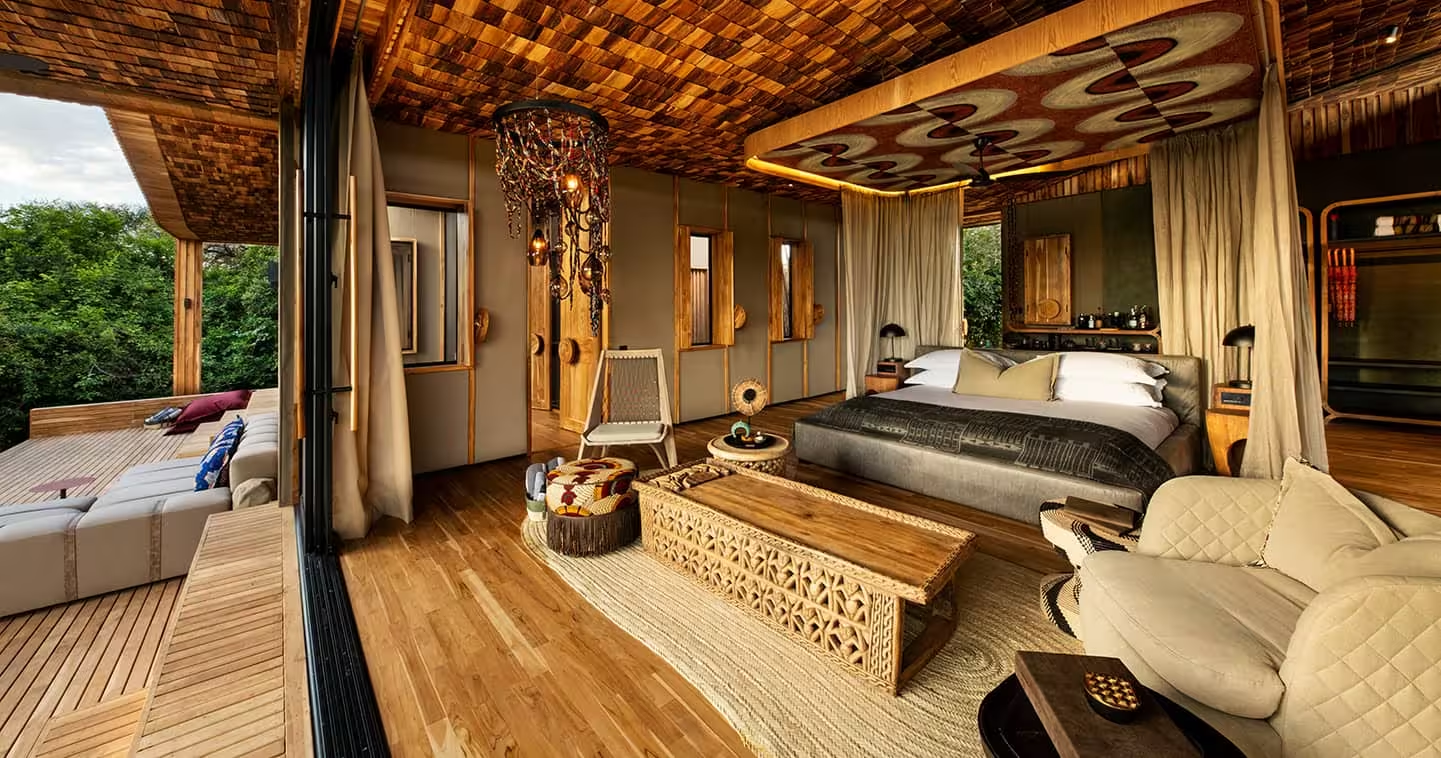
Accommodations vary significantly between the northern and southern circuits. The Serengeti offers larger lodges with extensive amenities. Ruaha favors intimate bush camps that emphasize a direct connection to the environment.
Serengeti Lodging: From Luxury to Tented Camps
The Four Seasons Serengeti provides a luxury experience with an infinity pool overlooking a waterhole. For a more authentic feel, Asanja Moru offers seven ensuite tents. Asanja Grumeti provides even more exclusivity with only three tents in the western corridor.
Ruaha Lodging: Intimate Bush Camps
Asanja Africa Ruaha camps provide a raw, immersive experience. Asanja Ruaha features eight suites equipped with private plunge pools. These units utilize zippered enclosures instead of solid walls, allowing the sounds of the bush to enter your home for the night.
Budget Considerations: Park Fees and Concession Costs
Costs fluctuate based on the park and the level of service. The Serengeti requires approximately $150 per person daily in concession and park fees. Ruaha is more cost-effective, with fees averaging $100 per person at Asanja properties.
Carry USD for tips and fees, as ATMs are non-existent within park boundaries. We suggest withdrawing enough cash before you leave home or upon arrival in Dar es Salaam. The Tanzanian Shilling is the official currency, but USD is widely accepted at lodges.
Combining Both Parks: The Ultimate Tanzania Safari
A comprehensive 11-days itinerary successfully integrates the Serengeti, Ruaha, and Nyerere. This trip often concludes with a short flight to Zanzibar for coastal recovery. Spending several days in each location ensures a deep understanding of the diverse terrain.
Use your final days to reflect on the landscape before your return flight. Our team can customize your itinerary to maximize your safari efficiency. Reach out to 0752761705 for professional planning assistance and logistical support.
Conclusion: Making Your Choice Between Ruaha and Serengeti
Selecting the right park involves comparing the Serengeti's open plains with the baobab-studded ridges of the Ruaha River. Serengeti National Park remains the premier choice for witnessing the great migration across flat savannah landscapes. Its open horizons facilitate high-volume wildlife viewing throughout the year.
This serengeti national environment provides established infrastructure for a classic tanzania safari. In contrast, Ruaha National Park serves as the rugged alternative in southern tanzania. This game reserve features seasonal river beds and steep 4x4 terrain for a true adventure.
It offers unique walking safaris and night drives that are restricted in most northern parks. While the savannah hosts more animals during the migration, Ruaha is home to massive elephants and diverse wildlife. Expert guides navigate this remote wilderness, providing an intimate experience away from large crowds.
The ruaha river provides a vital game source for lions and other animals. Travelers with several days should consider a dual-park trip via Dar Salaam to see both worlds. These tips help ensure a comprehensive and successful tanzania safari.
For a tailored safari booking, contact our experts at 0752761705. Our team manages all things regarding your trip and time in the ruaha national area. We provide a large elephant population observation and safaris built on technical ground knowledge.
FAQ
When is the best time visit for optimal wildlife viewing?
The dry season from June to October is the best time. During these months, animals like lions and elephants gather near the Ruaha River. The thin vegetation across the landscapes makes spotting game easier for guests.
How do travelers reach the remote southern Tanzania region?
Most visitors fly from Dar es Salaam to reach the interior wilderness. Auric Air operates regular flights to local airstrips, saving days of travel on the ground. This flight path allows for a swift start to your adventure.
Where is the best place to witness the great migration?
The Serengeti National Park is the home of this massive seasonal movement. Millions of wildebeest cross the plains each year. This event provides a high-density wildlife viewing experience that defines the northern circuit.
What unique safari activities do experienced guides offer?
Beyond the standard game drive, some lodges offer a walking tour plus a night excursion. A professional guide leads these treks to help you observe smaller things in the game reserve. These specialized game drives provide a more intimate safari experience.
Why should one choose a southern national park for their trip?
The southern parks offer a raw, untouched wilderness with fewer crowds. This setting allows for a quiet adventure where we observe the land without tourism pressure. Our tips suggest booking early to secure the best spots for a tanzania safari.