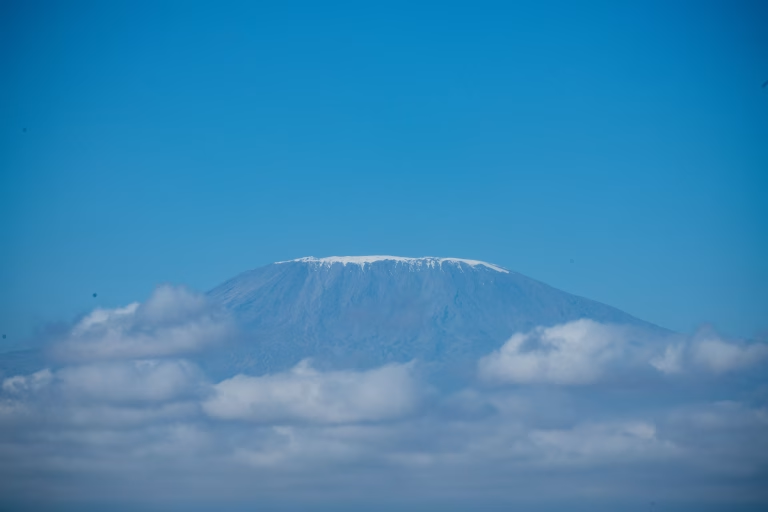
Safari Tanzania: Why Tanzania Is Africa's Greatest Safari Destination
The vast plains of East Africa have a strong pull for those who want to connect with nature. When you step onto the golden savannah, you see it's more than just a view. It's a deep sense of place. Many say this area is the best safari country because of its raw beauty.
The magic of the wild is in its rhythm. From the endless Serengeti to Ngorongoro's ancient caldera, the landscape grabs your attention. It's a place where life cycles without human touch.
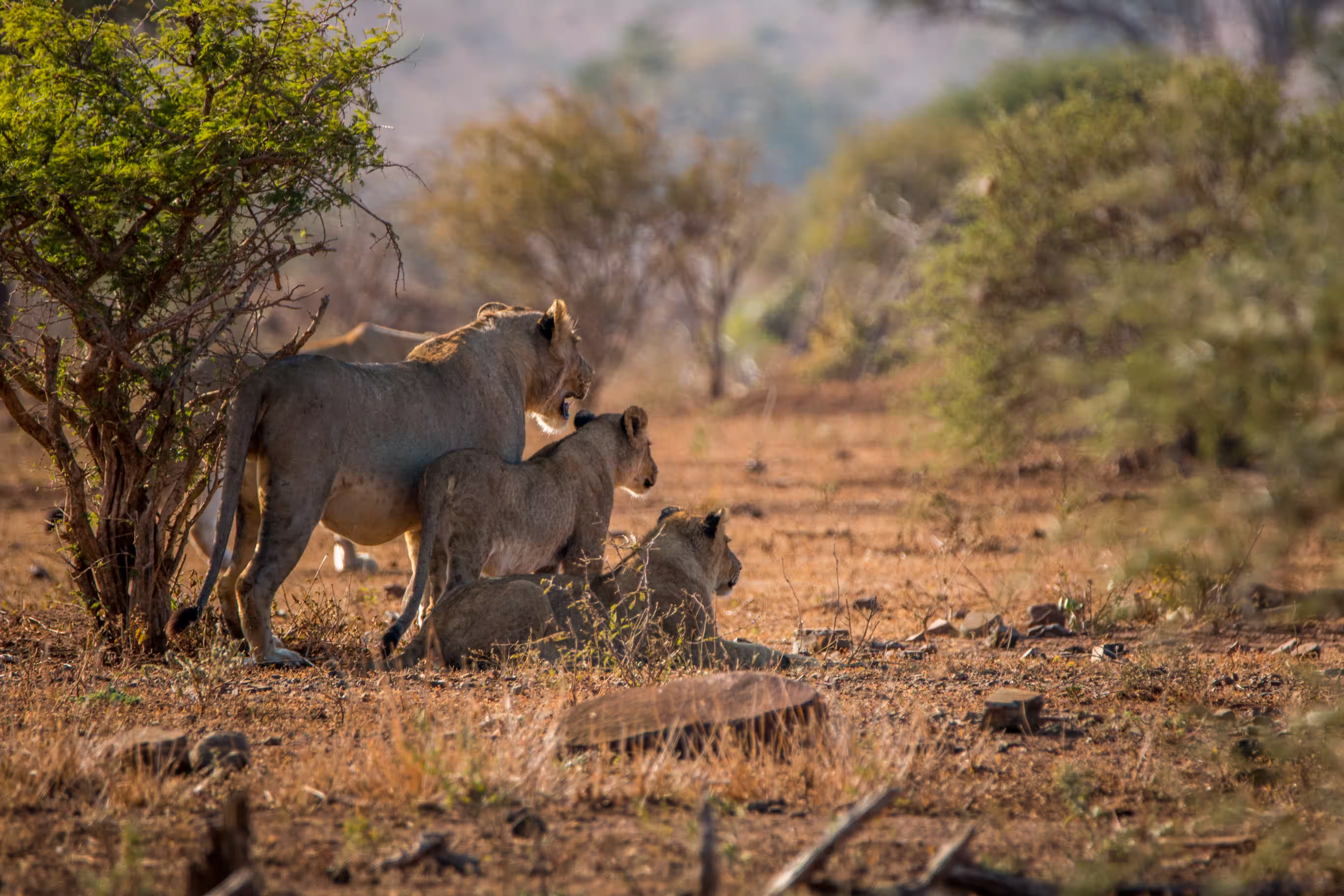
Exploring this part of Africa means choosing depth over show. Whether watching herds or seeing the sun set, the memories stay with you. That's why a Safari Tanzania trip is the top choice for adventurers.
Key Takeaways
- The region offers unparalleled access to diverse ecosystems and wildlife.
- Authentic wilderness experiences prioritize the natural rhythm of the environment.
- Iconic locations like the Serengeti provide a backdrop for profound discovery.
- Travelers value the depth of engagement over superficial sightseeing.
- The country serves as a premier destination for those seeking a true connection with nature.
The Unrivaled Reputation of Safari Tanzania
Tanzania is known worldwide for its top-notch safaris. It has been leading in conservation for decades. This effort protects its diverse ecosystems and the animals living there.
Its many national parks and game reserves are safe homes for plants and animals. This shows Tanzania's strong commitment to nature.
The country doesn't just save its landscapes; it also works to keep its famous animals alive. Tanzania uses many ways to protect its wildlife. This includes government actions, community projects, and help from other countries.
Because of this, Tanzania is seen as a leader in wildlife conservation in Africa.
What makes Tanzania stand out as a safari spot is the quality of experiences it offers. There are many options, from walking safaris to luxury camps. Visitors can see the Great Migration, explore the Ngorongoro Crater, or enjoy the quiet beauty of the African wild.
"Tanzania's success in conservation is a testament to the country's commitment to protecting its natural heritage."
Travelers who have seen Tanzania's wildlife agree. The country's fame as a safari place is not just about its nature. It's also about the unforgettable experiences and memories it gives to visitors.
Tanzania's unmatched reputation in safari tourism comes from its rich history, conservation work, and focus on giving visitors great experiences.
Tanzania vs Other Africa Destinations: A Comparative Analysis
Tanzania is seen as the top spot for African safaris. But how does it stack up against other top spots on the continent? When looking at safari experiences, we consider wildlife diversity, unique landscapes, and cultural richness.
Tanzania shines because it offers a wide range of safari experiences in one place. It has diverse ecosystems, from the Serengeti's endless plains to the Ngorongoro Crater's special caldera.
Compared to Kenya and South Africa, Tanzania has less crowded and more untouched wilderness areas. Kenya's Masai Mara is famous for its predators, but Tanzania's Serengeti is bigger and less crowded, especially during the Great Migration.
South Africa is known for its top-notch safari setup and luxury lodges. But Tanzania gives you a real and wild safari experience. You can choose from simple tented camps to fancy lodges.
Botswana and Zambia are famous in Southern Africa for their exclusive and untouched wilderness. Tanzania is similar but offers a richer cultural experience. You can meet local tribes like the Maasai and Hadzabe.
In summary, while other African countries have great safaris, Tanzania's unique mix of natural beauty, diverse wildlife, and rich culture makes it a top choice for many.
The Great Migration: Nature’s Greatest Spectacle
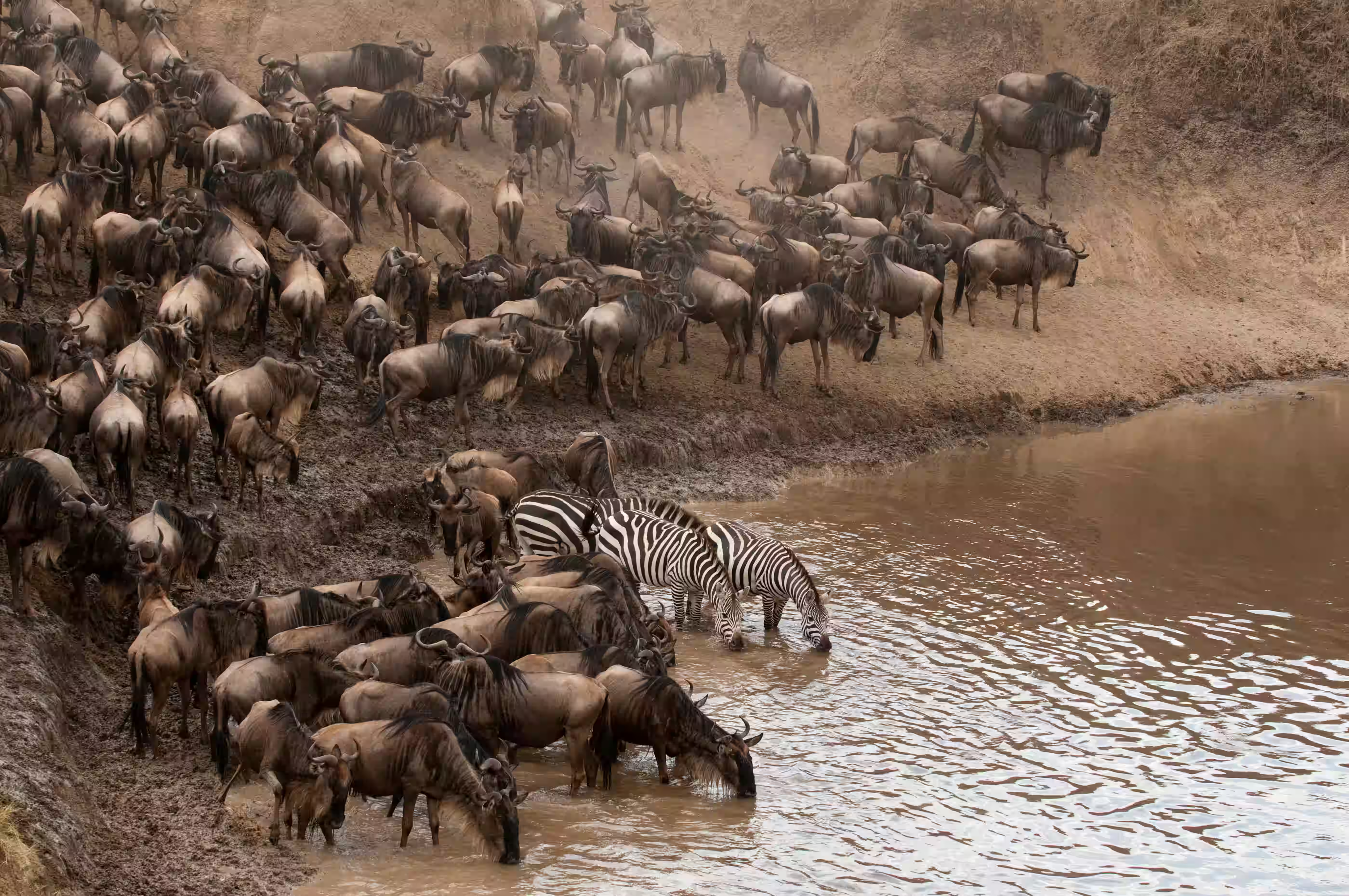
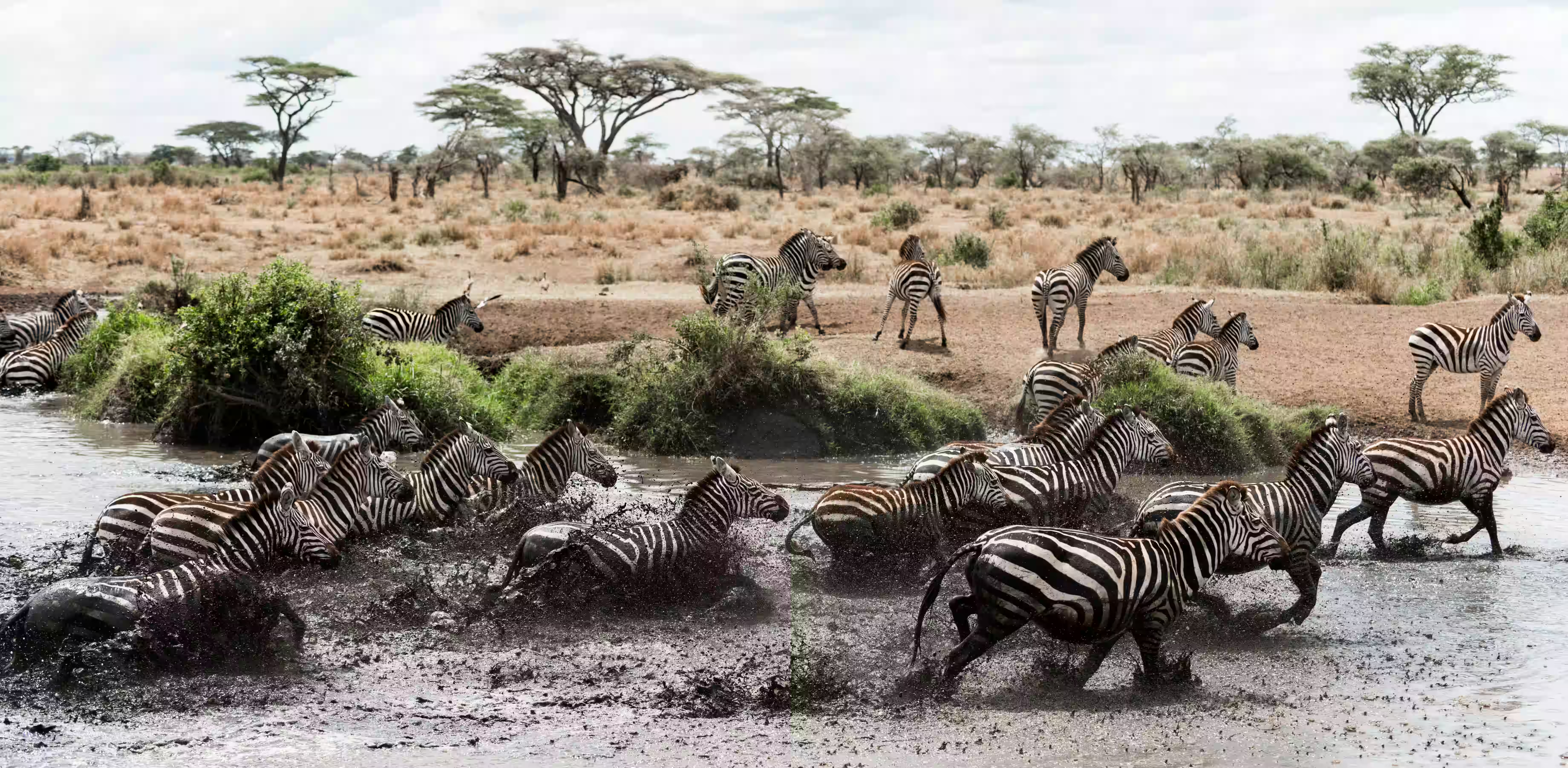
Tanzania's savannas are home to the Great Migration, a natural wonder. Millions of wildebeest, zebras, and gazelles move in search of better food and water.
This event is more than just a wildlife show. It shows how nature works together. Over 1.5 million wildebeest, zebras, and gazelles travel every year for food and water.
Understanding the Seasonal Movement
The Great Migration moves with the rains. The Serengeti's diverse ecosystem supports this journey. It has grasslands and woodlands for the animals.
In the dry season, animals gather at water sources. When rains come, they move to greener areas. This cycle is key for their survival.
Best Times and Locations to Witness the Migration
The best time to see the Great Migration varies. The calving season, from January to March, is exciting. Thousands of wildebeest calves are born in the Serengeti's southern plains.
For river crossings, July to August is the best time. The herds cross the Mara River. The northern Serengeti and Maasai Mara National Reserve in Kenya are great places to see this.
Knowing when and where to go is key for a great safari. This way, visitors can see the Great Migration. It makes their Tanzanian safari unforgettable.
The Serengeti National Park: The Heart of the Wilderness
As we explore the Serengeti National Park, we dive into Tanzania's amazing wildlife diversity. The Serengeti is more than a park; it's the heart of Tanzania's wild, full of life and promise. It offers unforgettable safari adventures.
The Serengeti's wide plains and varied landscapes host many ecosystems. From grasslands to woodlands, each supports unique plants and animals. This ecosystem diversity makes the park special, letting visitors see nature's balance.
Ecosystem Diversity and Predator Density
The Serengeti is famous for its many predators. Lions, leopards, and cheetahs are top sights. The park's food chain is complex, with prey like wildebeest, zebras, and gazelles feeding the predators.
The Serengeti's ecosystem is not just about animals. Its changing landscapes add to its beauty. These changes support a wide variety of life, making the Serengeti interesting to study and explore.
Luxury Lodging vs Authentic Tented Camps
Visitors to the Serengeti can choose between luxury lodges and authentic tented camps. Lodges offer comfort and amenities, a cozy place after a day outdoors. Tented camps, however, let guests feel closer to nature.
Choosing between luxury and authenticity depends on what you want. If you prefer comfort, lodges are great. For a raw experience, go for tented camps.
Ngorongoro Crater: The Eighth Wonder of the World
The Ngorongoro Crater is a stunning natural wonder in Africa. It offers an unforgettable Safari Tanzania experience. This vast, unbroken caldera is a marvel of geological history and a thriving ecosystem.
The Unique Caldera Ecosystem
The Ngorongoro Crater is home to a wide variety of plants and animals. Its unique ecosystem has different habitats like grasslands, swamps, and forests. These support many types of wildlife.
- A large population of black rhinoceros, thanks to the conservation efforts in the area.
- The presence of the Big Five: lion, leopard, rhinoceros, elephant, and Cape buffalo.
Conservation Efforts and Maasai Culture
Conservation in the Ngorongoro Conservation Area is focused on protecting nature and Maasai culture.
- Collaborative Management: The Ngorongoro Conservation Area Authority works closely with local communities to manage natural resources sustainably.
- Cultural Preservation: Efforts are made to preserve the traditional lifestyle of the Maasai, ensuring their cultural practices are respected and maintained.
- Anti-Poaching Initiatives: Various initiatives are in place to combat poaching and protect endangered species.
Tarangire National Park: The Land of Giants
In the heart of Tanzania lies Tarangire National Park. It's a land of giants with iconic baobab trees and thriving wildlife. Exploring this park reveals its unique ecosystem and the experiences it offers.
The Iconic Baobab Trees
Tarangire is famous for its majestic baobab trees, some over a century old. These giants of the savannah create a stunning backdrop for the park's wildlife. Baobabs are not just beautiful; they also support many species by offering shelter and food.
Conservationists say, "The baobab trees are a keystone species in Tarangire, supporting a wide range of flora and fauna." This shows why we must protect these natural wonders.
Elephant Herds and Dry Season Wildlife
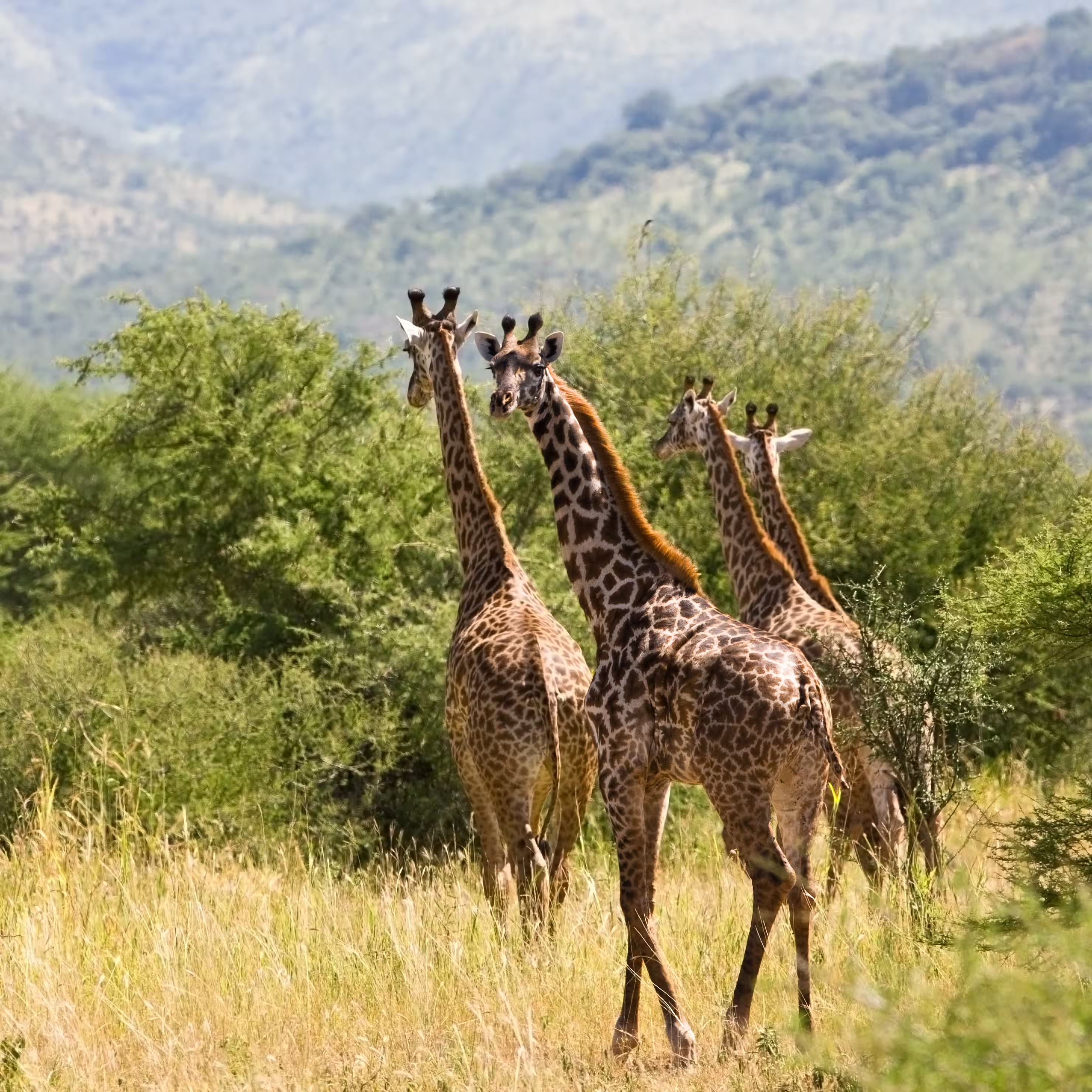
In the dry season, Tarangire National Park is a haven for large elephant herds. The Tarangire River draws many animals, showcasing Tanzania's wildlife diversity. Visitors can see elephants, giraffes, zebras, and many bird species.
The dry season, from June to October, is the best time to see wildlife here. With less vegetation, animals gather at water sources, offering a spectacular wildlife show.
- Large elephant herds
- Diverse bird species
- Giraffes and zebras
- Predators such as lions and leopards
Lake Manyara National Park: Tree-Climbing Lions and Flamingos
Lake Manyara National Park is a haven for nature lovers and birdwatchers. It's famous for its tree-climbing lions. The park's mix of forests and lakes is home to many plants and animals, showing off Tanzania's natural beauty.
The Groundwater Forest Habitat
The groundwater forest in Lake Manyara is special. This lush forest is full of life, thanks to the park's water. It has mahogany and fig trees, perfect for the park's famous lions to climb.
Visiting the groundwater forest is a must. It's peaceful and full of life. You can see many animals, from monkeys to small antelopes.
Birdwatching Paradise
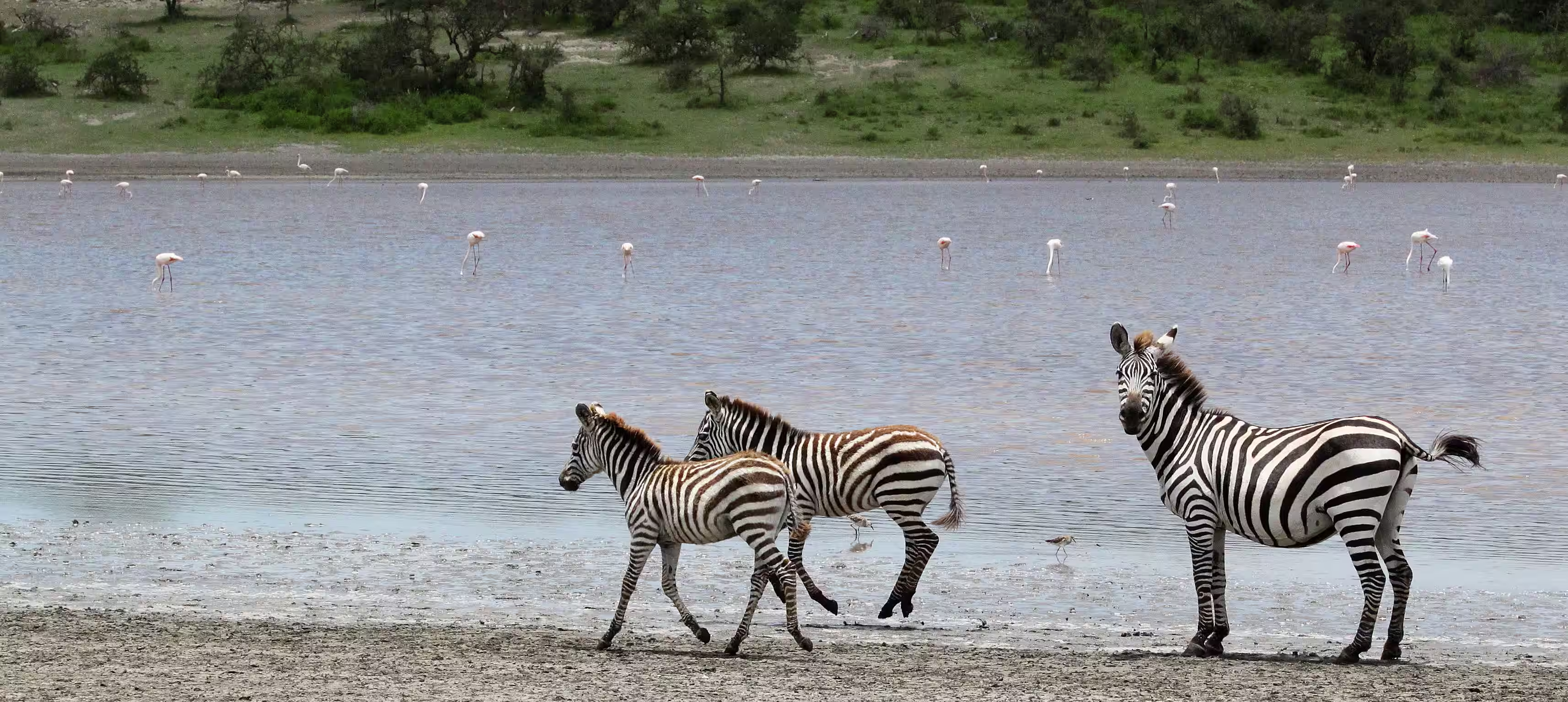
Lake Manyara is a birdwatcher's paradise. It has over 400 bird species. The park's different areas, like the lake and forest, attract many birds. You can see pink flamingos, eagles, and hawks.
"The diversity of birdlife in Lake Manyara National Park is a testament to the park's unique position within Tanzania's ecosystem. With its varied habitats and strategic location, the park is a crucial stopover for migratory birds and a haven for resident species alike."
Lake Manyara's unique habitats and rich wildlife make it a key spot for safaris in Tanzania. It's perfect for seeing tree-climbing lions, colorful birds, or just enjoying the scenery. Lake Manyara National Park will surely impress you.
Selous Game Reserve and Ruaha: The Untamed South
Tanzania's southern circuit, home to the Selous Game Reserve and Ruaha National Park, offers a unique safari adventure. It boasts vast, untouched landscapes and a wide variety of wildlife. This makes it perfect for those looking for a real African wilderness experience.
Exclusivity of the Southern Circuit
The southern circuit of Tanzania is less visited than the north, providing a more private safari journey. The Selous Game Reserve, a UNESCO World Heritage Site, is Africa's largest protected area. It gives animals plenty of space to move around. Ruaha National Park, with its rugged terrain and diverse habitats, is famous for its large elephant herds and many predators.
This area is known for its personalized and exclusive safari experiences. With fewer tourists, visitors can enjoy guided tours in peace. This allows for a deeper connection with nature.
Walking Safaris and Off-Road Adventures
The Selous Game Reserve and Ruaha National Park are famous for their walking safaris and off-road adventures. These activities let visitors get up close to the African wilderness. Walking safaris allow you to see the ecosystem's details, from tiny insects to tall trees, with expert rangers.
Off-road driving in these areas is an exciting way to explore. It lets you reach places that regular safari vehicles can't. This makes the safari experience even more thrilling and rewarding.
To show how special the southern circuit is, let's look at a comparison of tourist numbers in different Tanzanian parks and reserves.
| Location | Annual Visitors | Size (km²) |
|---|---|---|
| Serengeti National Park | 350,000+ | 14,763 |
| Ngorongoro Crater | 500,000+ | 8,292 |
| Selous Game Reserve | 5,000-10,000 | 55,000 |
| Ruaha National Park | 2,000-5,000 | 20,226 |
This table shows that Selous and Ruaha have fewer visitors than the northern parks. This highlights the southern circuit's exclusivity and untouched beauty.
Tanzania Wildlife Diversity Beyond the Big Five
The wildlife in Tanzania is more than just the Big Five. It's a vast, varied landscape with many rare and endemic species. Lions, leopards, elephants, buffalo, and rhinoceros are famous, but there's more to see.
Tanzania's different habitats, like the Serengeti and Lake Manyara, are homes to many animals. These places support a wide range of wildlife. Each habitat has its own unique animals and how they live.
Rare Species and Endemic Wildlife
Tanzania has rare and endemic species found nowhere else. The Pseudobarbus fish are an example, found only in its rivers and lakes. The Udzungwa forest partridge, discovered in 1991, is another unique find.
The country's varied landscapes also host many primate species. The Zanzibar red colobus and Iringa red colobus are just a few. These primates are interesting to watch and important for their habitats.
The Importance of Biodiversity Conservation
Keeping Tanzania's biodiversity healthy is key for its ecosystems. It's not just about saving species. It's about keeping the balance between species and their homes.
Conserving biodiversity helps with things like clean water and soil. It also supports local jobs through tourism and natural resource management.
There are many ways to protect Tanzania's biodiversity. National parks and community-led projects are just a few. Community-based conservation is especially promising for balancing human and wildlife needs.
By supporting conservation and using sustainable practices, we can help Tanzania's wildlife thrive. This way, future generations can enjoy its beauty and diversity.
Cultural Immersion: Connecting with the Maasai and Hadzabe
Safari Tanzania is more than just seeing animals. It's about meeting the people who live here. We get to learn from the Maasai and Hadzabe, understanding their traditions and daily lives.
Our journey starts with respectful tourism practices. We must be careful and respectful when we meet local communities. This means being mindful of our actions and supporting their economies.
Respectful Tourism Practices
Meeting the Maasai and Hadzabe needs careful thought. We should think about how our visit affects them. Supporting local guides and buying their crafts helps both us and them.
It's also important to know about their culture. Learning about their rituals makes our visit better. It's like being a respectful guest, just like Safari Tanzania teaches.
Traditional Lifestyles and Modern Challenges
The Maasai and Hadzabe show us how people lived long ago. The Maasai are herders, and the Hadzabe are hunter-gatherers. They have their own ways of life and beliefs.
But, they face big problems today. Things like losing their land and dealing with climate change are hard. Learning about their struggles teaches us about the importance of preserving their culture and the environment.
By diving into cultural immersion, we learn a lot about Tanzania. We also help keep their traditions alive. It's a journey that enriches both us and the communities we visit, showing us the true heart of Safari Tanzania.
Planning Your Logistics: When to Go and How to Get There
Tanzania's landscapes and climates vary, making trip planning crucial for a great safari. The country's ecosystems support many animals, but the best times to see them differ.
Navigating the Dry and Wet Seasons
The dry season, from June to October, is best for wildlife watching. Animals gather at water sources, making them easier to see. The weather is clearer and cooler, adding to the safari joy.
The wet season, from November to May, is perfect for birdwatching and seeing new animals. Though some places might be hard to reach, it offers a fresh view of Tanzania's nature and fewer crowds.
Domestic Flights and Ground Transportation
Tanzania is big, and getting around takes time. Domestic flights are quick, connecting major spots. Ground travel, like tours or private cars, lets you see more and enjoy the ride.
Think about the distance and your time when picking transport. For example, driving from Serengeti to Ngorongoro takes hours. But flying cuts down the time a lot.
Plan well and pick the right travel way. This ensures a smooth trip in Tanzania, making your safari unforgettable.
Budgeting for Your Dream Safari
Tanzania is known as the top safari destination. It offers many safari options for all budgets. Planning your safari budget is key to a great experience.
When planning your Tanzanian safari, knowing the costs is important. Prices vary based on the safari type, from budget-friendly to luxury.
Mid-Range vs Luxury Safari Experiences
Mid-range safaris strike a balance between cost and comfort. They offer basic services and guided tours. Luxury safaris, however, provide top-notch accommodations and personalized services.
Key differences between mid-range and luxury safaris include:
- Accommodation quality and type
- Guided tour options and expertise
- Inclusions such as meals, transportation, and activities
- Level of personalization and service
| Feature | Mid-Range Safari | Luxury Safari |
|---|---|---|
| Accommodation | Tented camps or mid-range lodges | Luxury lodges or high-end tented camps |
| Guided Tours | Standard guided tours | Personalized guided tours with expert guides |
| Inclusions | Basic meals and activities | All meals, premium activities, and personalized services |
Hidden Costs and Tipping Etiquette
It's important to know about hidden costs to avoid surprises. These can include extra fees for activities, optional excursions, and tips for staff.
Tipping is customary for good service. Guides and drivers usually get $10-20 per day.
By understanding costs and planning, you can have a memorable safari in Tanzania. It's the best place for a safari adventure.
Essential Packing List for a Tanzanian Adventure
Being well-prepared is crucial for a great Tanzanian safari. The right gear can make a big difference. Tanzania's varied landscapes, from the Serengeti to the Ngorongoro Crater, need careful packing.
It's important to mix comfort and safety with practical travel needs. The right clothes and equipment improve your trip and keep you safe.
Clothing and Gear Recommendations
For a Tanzanian safari, choose clothes that are functional and comfy. They should also match the weather. Here's what we suggest:
- Wear neutral colors to blend in and avoid scaring wildlife.
- Choose lightweight, breathable fabrics for hot days and layers for cooler times.
- Sturdy, waterproof boots are key for walking safaris and keeping dry.
- A hat, sunglasses, and sunscreen protect you from the sun.
- Binoculars let you see wildlife up close without disturbing them.
Health and Safety Precautions
Health and safety are top priorities when packing for Tanzania. Don't forget to include:
- Malaria prevention and any personal meds.
- A first-aid kit with band-aids, antiseptic wipes, and pain relievers.
- Insect repellent to keep mosquitoes and other bugs away.
- A way to purify water to stay safe from drinking contaminated water.
Choosing the right gear and clothes ensures a safe and enjoyable Tanzanian safari. It lets you fully appreciate this amazing place and its world-class wildlife.
Sustainable Tourism and Ethical Wildlife Viewing
Tanzania's biodiversity is a treasure we must protect. As we explore Safari Tanzania, we're not just watching; we're helping to save this amazing ecosystem.
Our actions as tourists greatly affect the environment and local communities. It's important to leave a small footprint and support the well-being of both people and wildlife.
Supporting Local Communities
Supporting local communities is key to making tourism beneficial. This includes:
- Choosing tour operators that work with local communities
- Visiting local markets and buying handicrafts
- Joining cultural tours to learn and respect local traditions
This way, we help the local economy grow and appreciate Tanzania's rich culture.
Minimizing Your Environmental Footprint
Ethical wildlife viewing means respecting animals and their homes. Important steps include:
- Keeping a safe distance from wildlife to avoid disturbing them
- Not littering or leaving behind any waste
- Using eco-friendly tour operators that follow sustainable tourism
We should also reduce our carbon footprint by choosing green transport and stays.
As we explore Tanzania's wildlife, remember our actions today shape the future of this ecosystem. Let's keep it beautiful for generations to come.
The Future of Conservation in Tanzania
Tanzania is tackling environmental challenges head-on with new conservation plans. These plans focus on protecting wildlife and their habitats. The country is a leader in African conservation, but it faces tough challenges.
The Tanzanian government and conservation groups are working hard to save biodiversity. They aim to protect famous species and the ecosystems they live in.
Anti-Poaching Initiatives
Poaching is a big threat to Tanzania's wildlife. To fight this, the country has launched strong anti-poaching efforts. These include:
- Improved surveillance and monitoring of wildlife
- Community-based conservation programs
- Working with international groups to stop wildlife trafficking
These actions have helped lower poaching rates in places like the Selous Game Reserve and the Serengeti National Park.
Climate Change and Habitat Protection
Climate change is another big challenge for Tanzania's conservation. It's changing ecosystems and making habitat protection crucial.
Conservationists are focusing on:
- Improving habitat connections for species to migrate
- Teaching local communities about sustainable land use
- Supporting tree planting to fight climate change
Tanzania's efforts are not just saving its natural beauty. They're also making sure ecosystems can thrive for years to come.
Conclusion
Tanzania is the top safari spot in Africa, offering a unique wilderness adventure. Its varied landscapes, from the Serengeti's wide plains to the Ngorongoro Crater's special shape, are home to many animals.
Reflecting on Tanzania's wonders, it's clear why it's the best for real adventures. The Great Migration is a must-see, and Tarangire and Lake Manyara National Parks have their own charm.
We're all about giving you real, raw experiences in East Africa's nature. Come with us on a Tanzanian journey, where the African wild's beauty and power await. We plan with care and respect, making sure your trip is unforgettable and kind to the environment.
Whether you love the excitement of the Great Migration or the calm of a savannah sunset, Tanzania has something for everyone. We can't wait to show you this amazing place.
FAQ
Why is Tanzania often regarded as the best safari country in Africa?
Tanzania is known for its vast protected areas. Over a third of the country is in national parks and reserves. This vastness offers a true wilderness experience, from the Serengeti to the Selous.
The country's wildlife is abundant. The government focuses on low-impact tourism. This makes your safari experience personal and unforgettable.
When we consider Tanzania vs other Africa destinations, what are the primary advantages?
Tanzania has more wildlife than other countries. It's also home to the world’s largest mammal migration. You can see everything from Kilimanjaro to Zanzibar in one trip.
This variety lets you explore East Africa's ecosystem fully. It's more than what you can see in other places.
What contributes to the depth of Tanzania wildlife diversity beyond the "Big Five"?
Tanzania has many rare species. In the Mahale Mountains, you can see wild chimpanzees. Tarangire National Park is famous for its elephants.
The groundwater forests of Lake Manyara and the miombo woodlands of Ruaha are home to over 1,100 bird species. You can also see rare predators like the African wild dog.
Why safari Tanzania for the Great Migration specifically?
Tanzania is home to the Great Migration for most of the year. You can see the calving season in the southern Serengeti early in the year. The Mara River crossings in the north are a sight to behold during the dry season.
Because the animals move through different Tanzanian regions, we can plan your trip to follow their ancient migration paths. This offers a unique experience across diverse landscapes.
How do the Northern and Southern Circuits differ in their experience?
The Northern Circuit, with Serengeti and Ngorongoro, is perfect for first-timers. It offers iconic landscapes and lots of wildlife.
The Southern Circuit, with Ruaha and Nyerere National Park (formerly Selous), is for those seeking a more untamed, exclusive wilderness. Here, you can enjoy walking safaris and boat excursions at a slower pace.
What is the significance of cultural immersion with the Maasai and Hadzabe?
Cultural encounters are key to understanding Tanzania. Meeting the Maasai gives insight into a traditional way of life. A morning with the Hadzabe shows a hunter-gatherer lifestyle unchanged for millennia.
These interactions are done with respect and transparency. They support the dignity and heritage of the communities involved.
How should we prepare for the logistics and timing of a Tanzanian journey?
Planning is crucial. The long dry season from June to October is great for wildlife viewing. The "green season" from November to May is better for birdwatching and scenery.
Consider domestic bush flights to save time. The distances between parks are vast. Flying offers a stunning view of the Great Rift Valley.
What does sustainable tourism look like in the context of a Tanzanian safari?
Sustainable tourism means protecting the ecosystem. We stay in low-impact tented camps that use solar power and avoid plastic. We also support lodges that hire and train locals.
Choosing ethical operators means your fees help anti-poaching units and habitat restoration. This secures the future of these wild places for future generations.