How Long Does It Take to Climb Kilimanjaro: Route-by-Route Time Guide
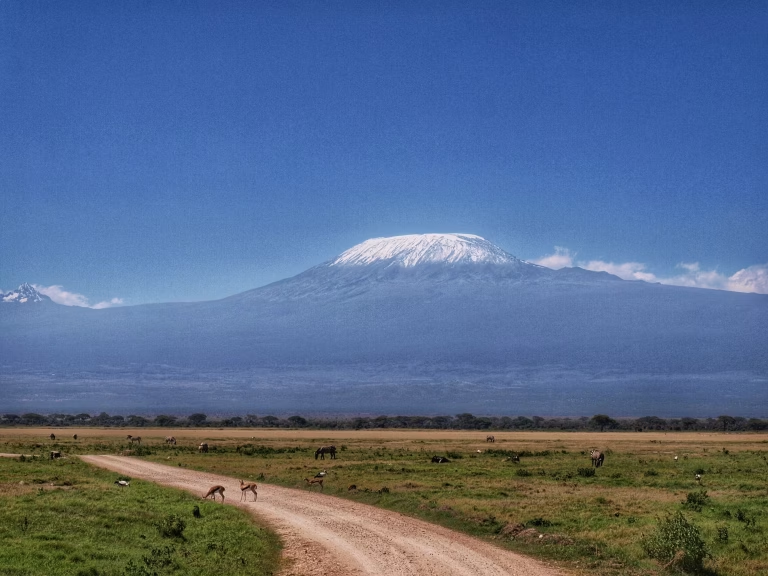
Mount Kilimanjaro rises 5,895 meters above sea level, standing as the tallest freestanding mountain in Africa. Reaching the summit requires a strategic approach regarding elevation and rapid altitude gain. Most successful expeditions on this mountain span between five and nine days, ensuring proper acclimatization for every hiker.
Ian Taylor Trekking leads more than 30 trips annually, achieving a 95% summit success rate through expert pacing. While Swiss mountain runner Karl Egloff completed a record climb in under seven hours in 2014, standard trekking requires significantly more time. Safety on the trail depends on respect for the terrain and physiological limits.
Understanding specific requirements for each path is essential for a safe ascent. Shorter paths often see lower success rates because the human body cannot adapt quickly. Choosing a longer itinerary provides the necessary buffer for handling geological challenges near the peak.
Key Takeaways
- Ascent duration typically ranges from five to nine days depending on route selection.
- Success rates correlate directly with the total period spent on the peak.
- Proper acclimatization requires a measured pace for handling 5,895 meters of altitude.
- Six primary routes provide different distance breakdowns and elevation profiles.
- Longer itineraries, such as the Northern Circuit, offer the highest summit success percentages.
- Physical fitness and seasonal weather influence total expedition length.
Overview: Kilimanjaro Climbing Timeframes
A Kilimanjaro trip follows a set schedule spanning five to nine days. This duration depends on your choice among the six primary routes available for the trek. Each path offers a different amount of time for your body to adjust to the high altitude.
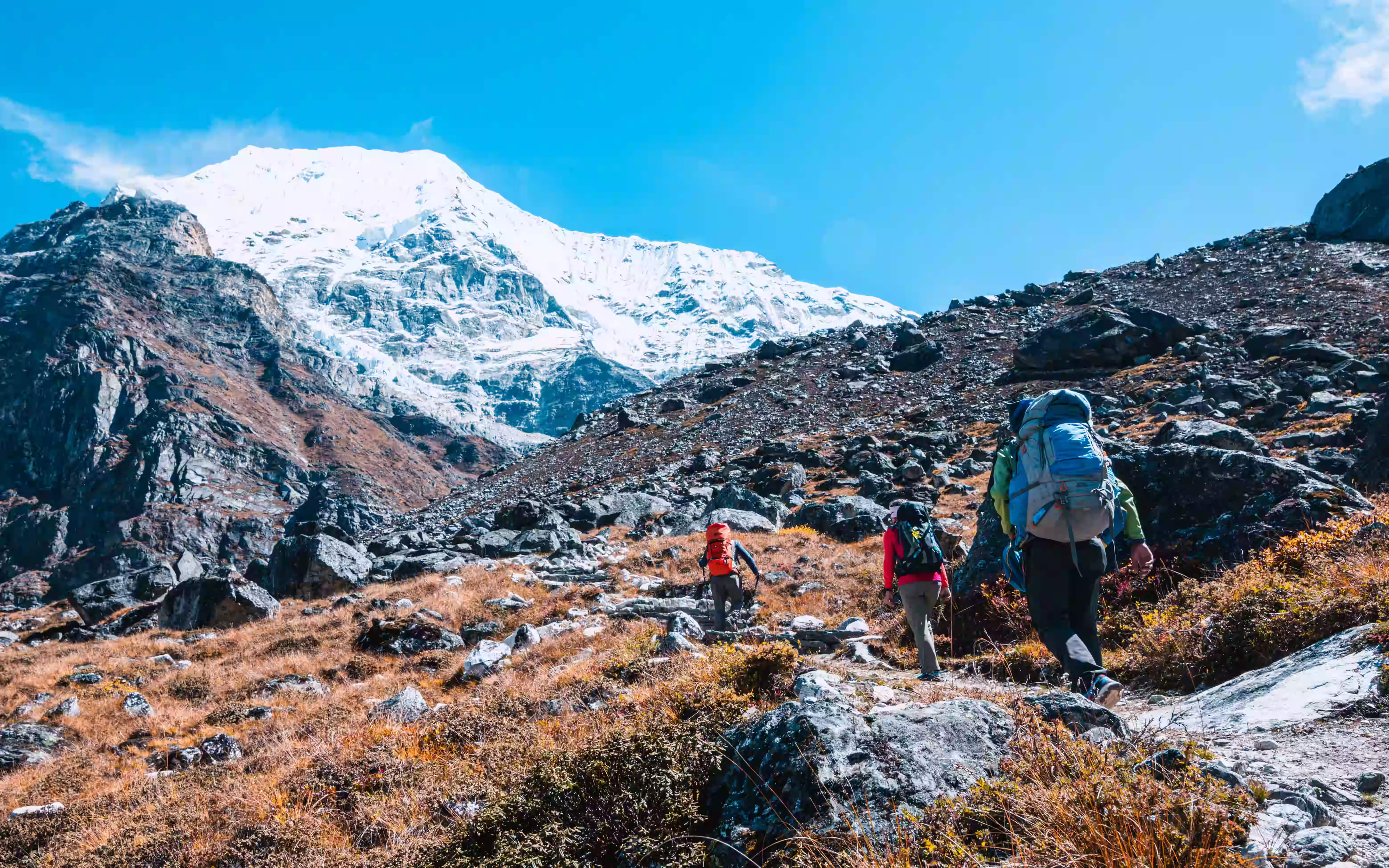
The Marangu Route offers the shortest trek at five days for completion. In contrast, the Northern Circuit requires more effort and stays on the mountain for over a week. Total distances range from 63 kilometers on Machame to 88 kilometers on the Northern Circuit, which dictates the daily hiking hours.
“It is not the mountain we conquer, but ourselves.”
Registered Tanzanian operators manage all logistics for those who want to climb kilimanjaro safely. These professionals provide licensed guides, porters, and all necessary camping equipment. They also handle the preparation of fresh meals and ensure a steady supply of treated water throughout the journey.
| Route Name | Duration (Days) | Distance (km) |
|---|---|---|
| Marangu | 5-6 | 72 |
| Machame | 6-7 | 63 |
| Northern Circuit | 9 | 88 |
| Lemosho | 7-8 | 70 |
Your selection of routes should reflect your personal experience and physical health. While a schedule remains fixed once booked, injury or illness may force an early descent. Safety always dictates the pace of the expedition, regardless of the initial plan.
Understanding these general time requirements helps travelers match their goals with available vacation days. Longer itineraries significantly improve the probability of success in climbing kilimanjaro. This overview provides the baseline expectations before we examine the specific elevation gain and terrain of each path.
How Long Does It Take to Climb Kilimanjaro: The Complete Answer
To answer how long take climb operations must be structured, we must look at the intersection of route geometry and human biological limits. We view the mountain as a series of distinct ecological zones. Each zone requires a specific timeframe for the body to adapt to the thinning atmosphere.
While the physical path may seem straightforward on a map, the vertical gain dictates the actual pace. Most trekkers underestimate the physiological pressure of the trek. Determining how long take climb schedules should last is the primary factor in ensuring a safe return.
Minimum vs Recommended Climbing Duration
The absolute minimum duration for a trek is five days, yet this rapid ascent creates significant risks. Data from Kilimanjaro National Park indicates that the success rate for a five-day climb is less than 30%. This timeframe rarely allows for proper physiological adjustment.
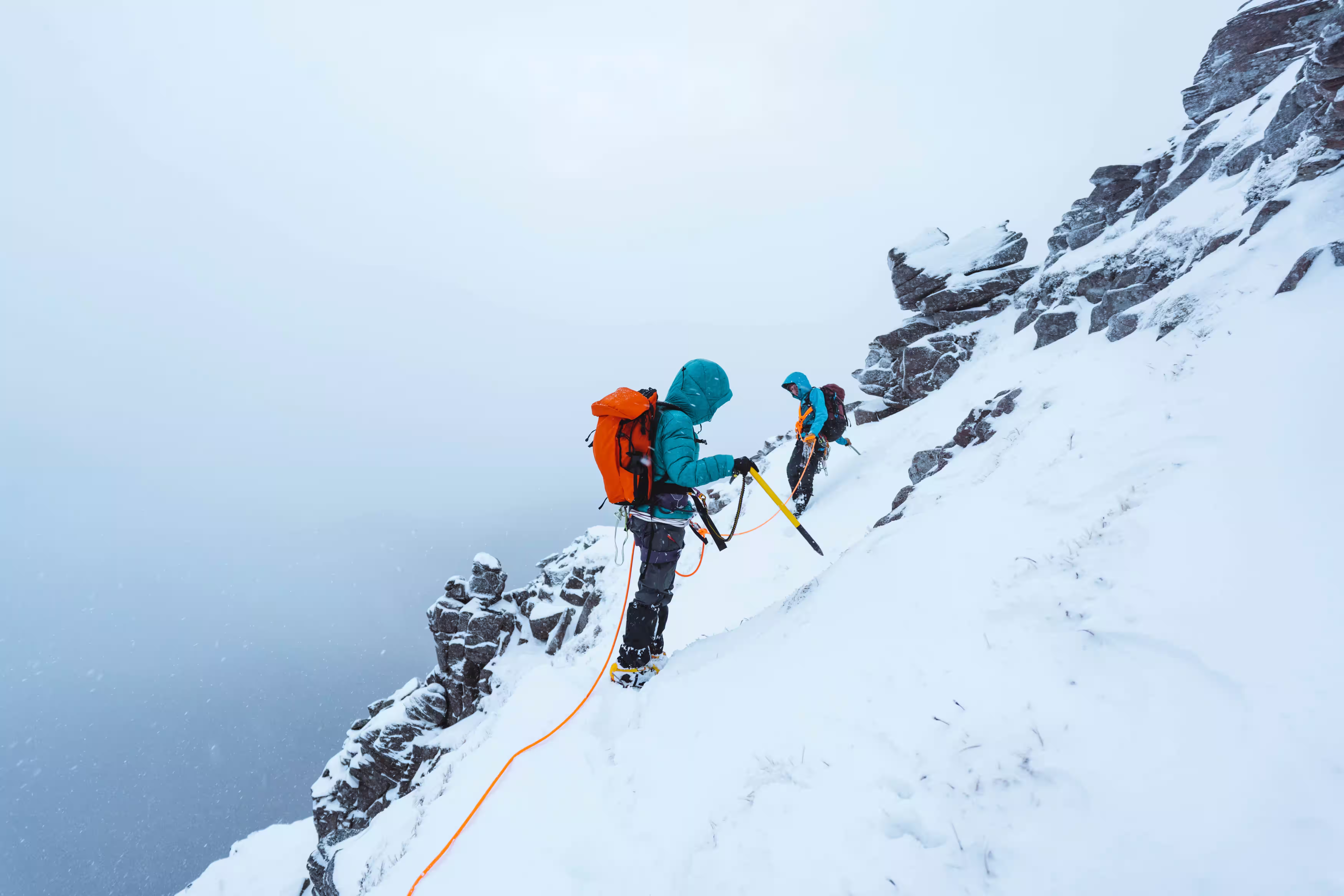
We recommend a duration of seven to eight days to balance logistical feasibility with health. An eight-day itinerary provides a superior acclimatization profile. It pushes the probability of reaching Uhuru Peak to over 85% by allowing the body to manage high altitude stress naturally.
"The mountain is won through patience and the gradual acquisition of height, not through the speed of the stride."
Total Distance and Elevation Gain by Route
Every route offers a unique profile of distance and elevation. The Northern Circuit is the longest, covering 88 kilometers over nine days. In contrast, the Machame path traverses only 63 kilometers, yet it remains a demanding seven-day journey due to its steep sections.
| Route Name | Distance (km) | Recommended Days |
|---|---|---|
| Lemosho | 70 km | 8 Days |
| Machame | 63 km | 7 Days |
| Northern Circuit | 88 km | 9 Days |
| Marangu | 72 km | 6 Days |
The total elevation gain from the trailhead to the summit typically ranges from 3,600 to 4,200 meters. Understanding the distance-to-duration ratio is essential for a successful climb mount kilimanjaro. Longer paths with gradual slopes often produce better outcomes than shorter, steeper alternatives.
When planning, remember the time it will take climb mount participants to reach the top depends on pole pole (slowly, slowly). Rapid elevation gain creates physiological stress that determines your required duration. We emphasize that safety is found in the extra days spent at intermediate camps.
Marangu Route Duration: 5-6 Days
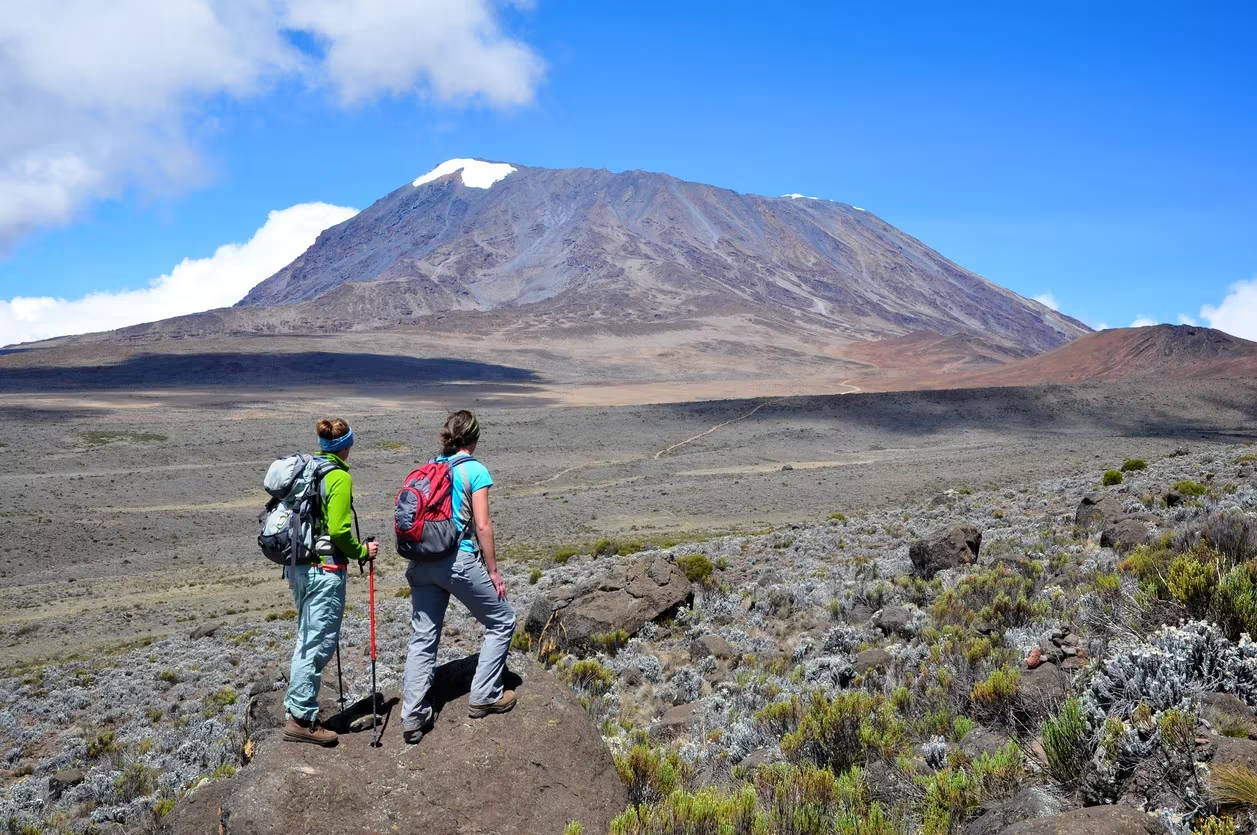
Navigating the southeast slope, this route offers a distinct logistical profile for those seeking a hut-based ascent. It covers a total distance of 72 kilometers (44 miles) and is widely known as the "Coca Cola Route." This nickname stems from the bottled beverages historically sold at the dormitory huts.
Because it provides permanent shelter rather than tents, it attracts more climbers than any other path on the mountain. This popularity can lead to significant crowding during the peak dry seasons of August and September. We observe that while the path is well-trodden, the rapid elevation gain requires strict physical discipline.
Five-Day Itinerary Breakdown
The five-day schedule is the shortest legal timeframe permitted for reaching Uhuru Peak. It requires consecutive nights at Mandara Hut (2,700m), Horombo Hut (3,720m), and Kibo Hut (4,703m). This timeline leaves very little margin for error or physical fatigue.
The absence of a dedicated rest period frequently leads to acute altitude sickness for many trekkers. Consequently, this specific duration results in the lowest success rates of all standard itineraries. It is typically reserved for those with prior experience in high-elevation environments.
Six-Day Option for Better Acclimatization
The six-day variation introduces a vital second night at Horombo Hut during the ascent. This intentional pause allows the body to adapt to the reduced oxygen levels at 3,720 meters. This additional time is the most significant factor in improving safety outcomes.
During the extra period, we recommend a short hike to the Zebra Rocks to stimulate physiological adjustment. This effort significantly enhances the probability of reaching the summit. It also allows for a deeper study of the unique Afro-alpine vegetation and local geology.
Typical Hiking and Movement Times
Most daily hiking sessions between the hut complexes require between five and seven hours of steady movement. The terrain transitions clearly from montane rainforest into the high-altitude desert zone. The paths are generally wide and lack the technical scrambling found on western approaches.
The final push from Kibo Hut to the peak is the most demanding phase, often taking twelve hours to complete the round trip. Trekkers begin this segment at midnight to reach the crater rim by dawn. This final 1,145-meter vertical ascent demands consistent pacing and mental endurance.
Machame Route Duration: 6-7 Days
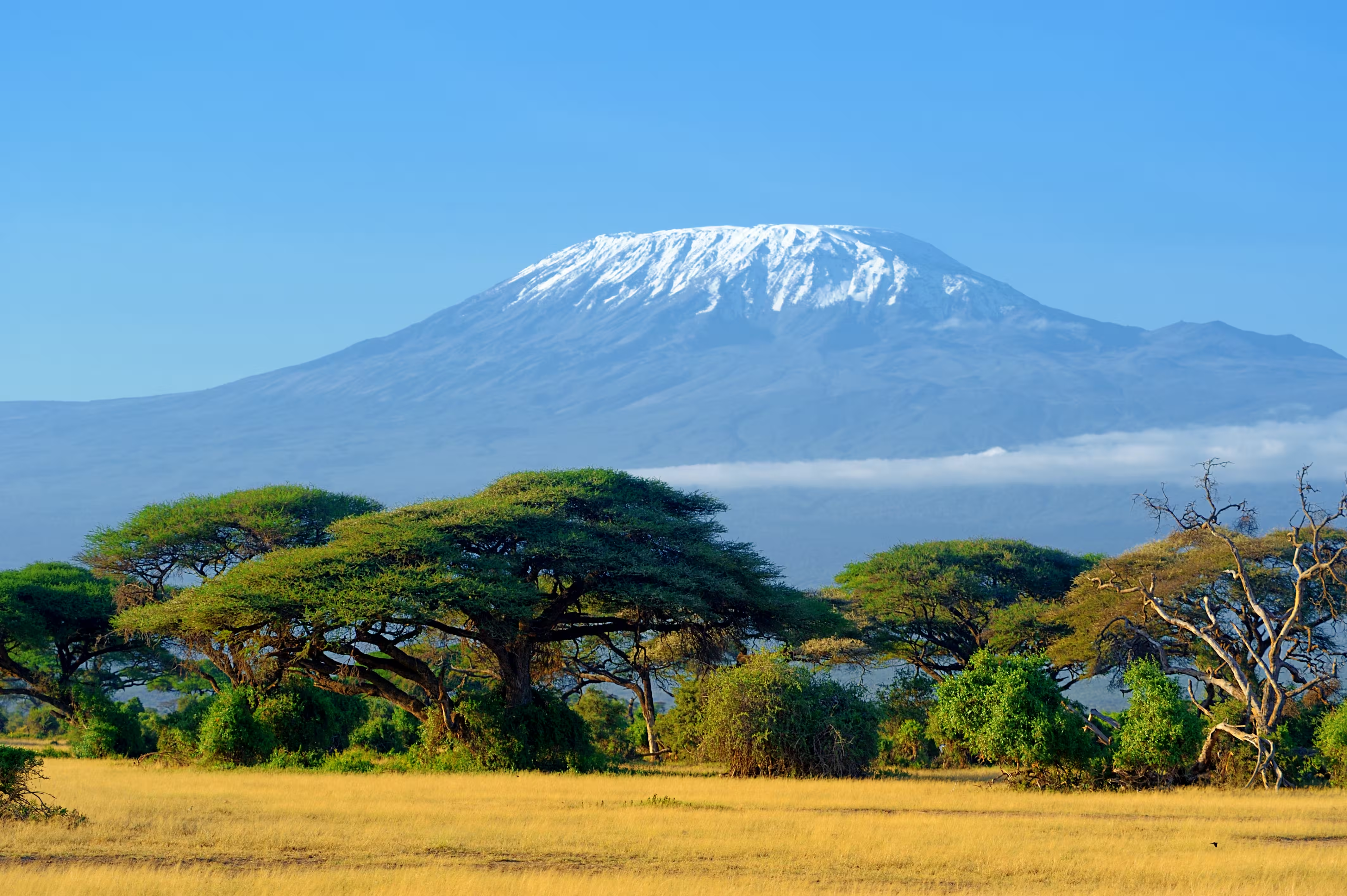
Traversing 64 kilometers of volcanic terrain, the machame route balances physical challenge with strategic altitude gain. This path crosses five distinct ecological zones, from humid rainforests to the frozen arctic zone. Data from Alpine Ascents shows that the seven-day version yields a success rate of over 90%.
The total journey involves an elevation gain of 4,891 meters. Climbers also face a significant descent of 5,020 meters over the final 48 hours. We observe that this rugged landscape demands steady pacing and formal preparation to reach Uhuru Peak safely.
Six-Day Itinerary Details
The six-day route compresses the timeline by removing a vital acclimatization stage at the Karanga Valley. This shorter window increases the daily physical strain on each day of the ascent. We find that moving too quickly often leads to higher rates of altitude sickness among the group.
By skipping the extra rest, trekkers must handle larger vertical gains without sufficient recovery time. This schedule tests the limits of even fit climbers before they reach the summit. We generally suggest the longer option to ensure the body adjusts to the thinning atmosphere.
Seven-Day Trekking Schedule
The seven-day machame route begins at the Machame Gate at 1,830 meters. On the first morning, we hike for six hours to reach the Machame Camp at 3,000 meters. The second stage covers 8km as we move onto the Shira Plateau at 3,800 meters.
The third stage is critical for the climb. Trekkers ascend to the Lava Tower at 4,600 meters before dropping to the Barranco camp at 3,900 meters. This "climb high, sleep low" method helps the blood oxygen levels stabilize effectively.
The machame route then continues through the Karanga Valley and up to the Upper Barafu station. This extra stage adds only 5km of distance but provides essential rest. It prepares the lungs for the final push into the high-altitude desert.
Timing for the Final Push
The summit effort starts around midnight from the Upper Barafu camp at 4,815 meters. Trekkers move through the freezing night for seven to eight hours of slow trekking. Most groups reach the crater rim as the sun rises over the jagged Mawenzi peaks.
After the machame route reaches the highest point, a long descent follows immediately. You will drop 2,100 meters in a single day to reach the Millennium Camp. This grueling 14-hour effort covers 13.5km and marks the most demanding physical phase of the entire expedition.
Lemosho Route Duration: 7-8 Days

Spanning 70 kilometers of diverse terrain, the Lemosho route offers an 8-day expedition designed for optimal acclimatization. This path is widely regarded as the premier western approach to the peak. Ian Taylor Trekking reports a 95% summit success rate on this specific mountain journey, often reaching 100% on many individual trips.
The journey begins at an elevation of 2,300 meters, which helps prevent the rapid altitude gain found on shorter paths. This timeframe allows your body to adjust naturally as you move through five distinct ecological zones. Experienced guides lead the way, ensuring a "pole pole" pace to protect your health and energy.
Seven-Day Version Overview
The 7-day variation of this kilimanjaro route compresses the schedule slightly but remains effective. It maintains the critical "climb high, sleep low" principle at Lava Tower to aid your blood oxygen levels. While faster, this version requires high physical fitness to manage the increased daily trekking load.
Eight-Day Expedition Timeline
The 8-day Lemosho route is the gold standard for safety and success. It covers 43 miles and provides ample rest between high-exertion sections. This duration allows for a 100% success rate on many expeditions by reducing cumulative fatigue.
Days 1-3: Rainforest to Shira Plateau
The first day starts at Lemosho Gate and involves 3 hours of hiking to Big Tree Camp at 2,800 meters. You will likely see Colobus monkeys in the lush canopy. By the third sunset, you will reach Shira Camp 2 at 3,900 meters to begin essential altitude training.
Days 4-5: Acclimatization Hikes
You will hike 7 hours to Lava Tower at 4,600 meters before descending to Barranco Camp. This mountain tactic is vital for your summit success later in the week. Day 5 includes the famous Barranco Wall, a two-hour scramble that requires focus but no technical gear.
Days 6-7: High Camp and Summit Push
Climbers advance to Kosovo Camp at 4,900 meters, which sits higher than the standard Barafu base. This 85-meter elevation advantage significantly improves your chances to climb mount Kilimanjaro successfully. You will start the final summit push at 1 am, reaching the peak in roughly 6 hours.
Day 8: Descent
The final day involves a 1,400-meter descent through the rainforest to reach Mweka Gate. This 4-hour walk marks the end of your journey through the national park. You will receive your certificates before departing the mountain with your guides and crew.
Northern Circuit Route Duration: 9 Days
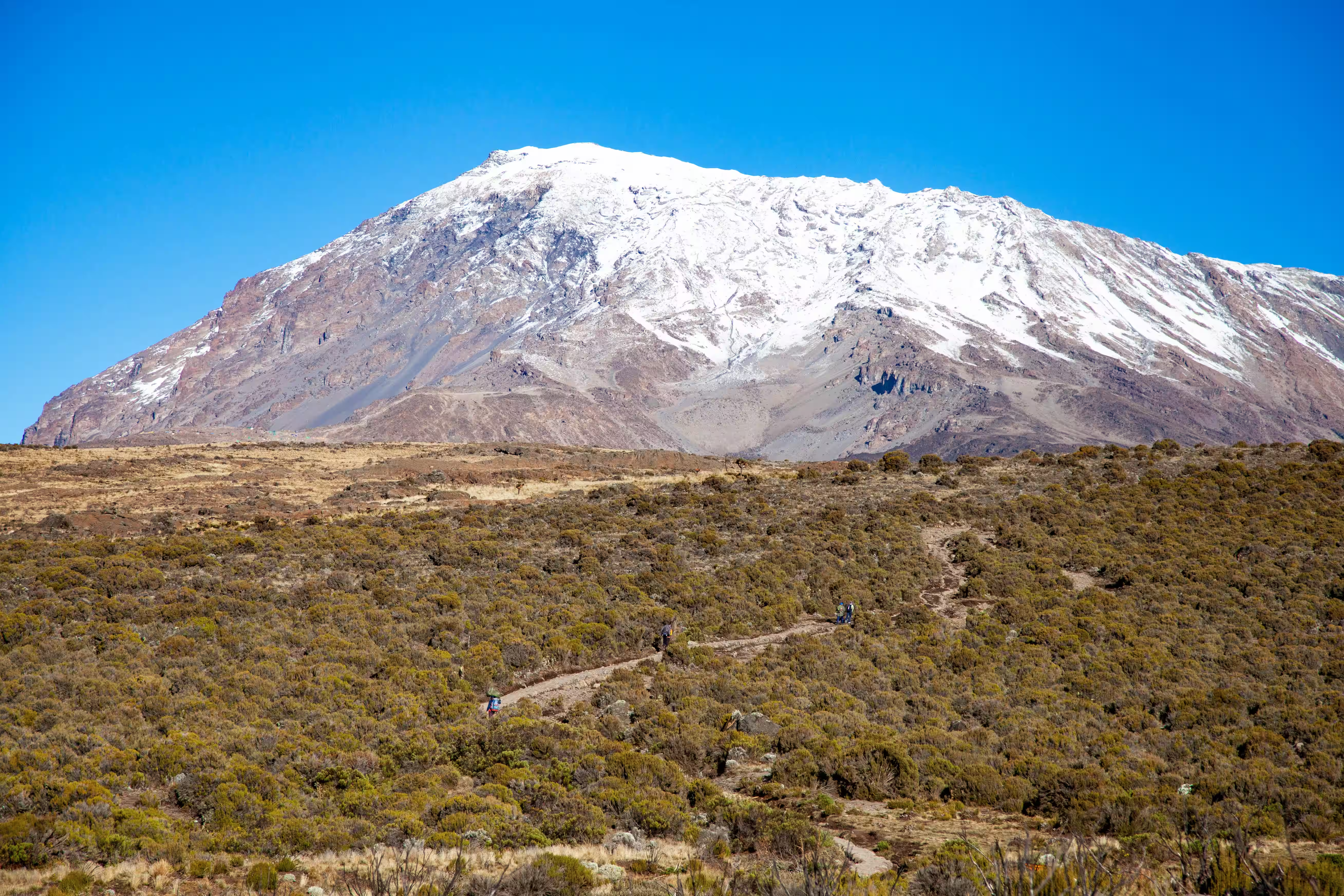
Expeditions choosing the northern circuit require a minimum of nine days to navigate the 88-kilometer circumnavigation of the massif. This path represents the longest standard route available on the mountain. It offers a remote experience with minimal foot traffic compared to the crowded southern approaches.
Teams begin the ascent through the Londorossi Gate following the Lemosho approach. Costs for this journey run 20% to 30% higher than shorter treks. This increase covers additional park fees and the logistics of a technical support crew for over a week.
Why Northern Circuit Takes Longest
The length of this trek results from a deliberate strategy to circle nearly the entire mountain. Instead of a direct vertical climb, the northern circuit stays between 3,500 and 4,600 meters for seven full days. This profile ensures the highest success rate on the mountain, often exceeding 90%.
This horizontal traversal allows for superior acclimatization before the final push. Climbers maintain a steady altitude which allows the body to produce necessary red blood cells. By the time teams reach the eastern slopes, they are physiologically prepared for the thin air.
9-Day Northern Circuit Itinerary Overview
The itinerary follows the Lemosho path initially but diverges north at the Shira Plateau. It bypasses the busy Barranco Wall, leading instead to the quiet, arid northern slopes. This path eventually curves toward School Hut, where the final summit attempt begins from the east.
Specialized packages may extend the journey to include an overnight stay within the Kibo Crater. Camping within the crater offers rare access to the ash pit and the inner glaciers. This extended route provides the most thorough geological understanding of the dormant stratovolcano.
Rongai Route Duration: 6-7 Days

The Rongai route traverses the northern rain shadow, providing a distinct climatic advantage during the wetter months. This path is the only ascent starting from the northern side near the Kenyan border. It covers approximately 72 kilometers (44 miles) over six to seven days.
The northern approach receives significantly less precipitation than southern routes. This makes it an ideal climb during the November or April rainy seasons. The remote wilderness offers a higher probability of spotting large wildlife, including buffalo, elephant, and various antelope.
Minimal traffic characterizes this trek until the trail converges with the Marangu path. This meeting happens at Kibo Hut on the final night before the peak attempt. The gradual ascent profile helps manage physical fatigue during the early stages of the journey.
6-Day Rongai Timeline
The six-day itinerary represents the minimum viable timeframe for this northern trek. It follows a direct line toward the summit with very little time for recovery. Most trekking days involve five to seven hours of active movement through varied ecological zones.
This rapid schedule demands high physical readiness from every participant. Gaining altitude quickly increases the physiological load and the risk of mountain sickness. We observe that this duration suits experienced hikers who adapt well to thin air.
7-Day Rongai with Better Success Rate
We strongly advise selecting the seven-day variation to maximize your success rate. This version incorporates an extra day for critical acclimatization at an intermediate elevation. Spending this additional time allows the body to produce necessary red blood cells before the final push.
The 7-day route significantly reduces the incidence of altitude-related retreats. Most teams reach the high camp at Kibo Hut feeling significantly stronger and more prepared. On the final night, the journey to the peak and back to camp requires ten to twelve hours of endurance.
Shira Route Duration: 6-10 Days
Ascending through the remote Afro-alpine moorland, the Shira route provides a variable itinerary focused on geological exploration. This path commences at the Shira Gate, situated at an elevation of 3,590 meters on the western flank. It is the highest starting point among the standard trekking paths on the mountain.
Starting at this elevation eliminates the lower forest zone but creates an immediate risk of initial altitude exposure. Teams must move with deliberate pace to manage the transition. The terrain features striking volcanic rock formations and expansive plateaus that see minimal human traffic.
The western sector serves as a sanctuary for diverse wildlife. We frequently observe eland, buffalo, and other large mammals grazing in these high-elevation meadows. This solitude provides a stark contrast to the busier southern approaches, making it a premium choice for discerning travelers.
Variable Duration Options
We recommend a timeframe of eight to ten days for most expeditions to ensure safety. While a six-day minimum climb is possible for experienced high-altitude trekkers, it offers less time for geological discovery. The longer options allow for thorough exploration of the Shira Caldera.
A gradual multi-day ascent across the plateau provides superior physiological results. This extended acclimatization period is vital before the path connects with the Machame Route near the Barranco Camp. From that point, the itinerary follows the southern circuit toward the summit.
The Shira Route remains lovely but little used due to its remote logistics and high starting point. It offers a rare opportunity to experience the mountain's silence. Groups choosing this path prioritize terrain mastery and authentic wilderness over a rapid summit attempt.
Daily Hiking Hours and Distances on Kilimanjaro
Quantifying the physical output on Kilimanjaro reveals a structured sequence of ascent hours and vertical gains. The operational reality follows a precise schedule to maximize recovery time. Each morning begins with a 6 am wake-up call, followed by breakfast at 7 am and an 8 am departure from camp.
This discipline ensures teams maintain a steady rhythm while hiking through the various ecological zones. Arriving at the next destination by early afternoon allows for physiological rest and essential acclimatization. Most routes follow this rigid routine to balance exertion with the metabolic demands of high altitude.
Typical Daily Hiking Duration
The daily hiking duration during the ascent phase generally spans four to seven hours. Most trekking days cover eight to twelve kilometers of horizontal distance. This movement typically involves an elevation gain of 500 to 800 meters.
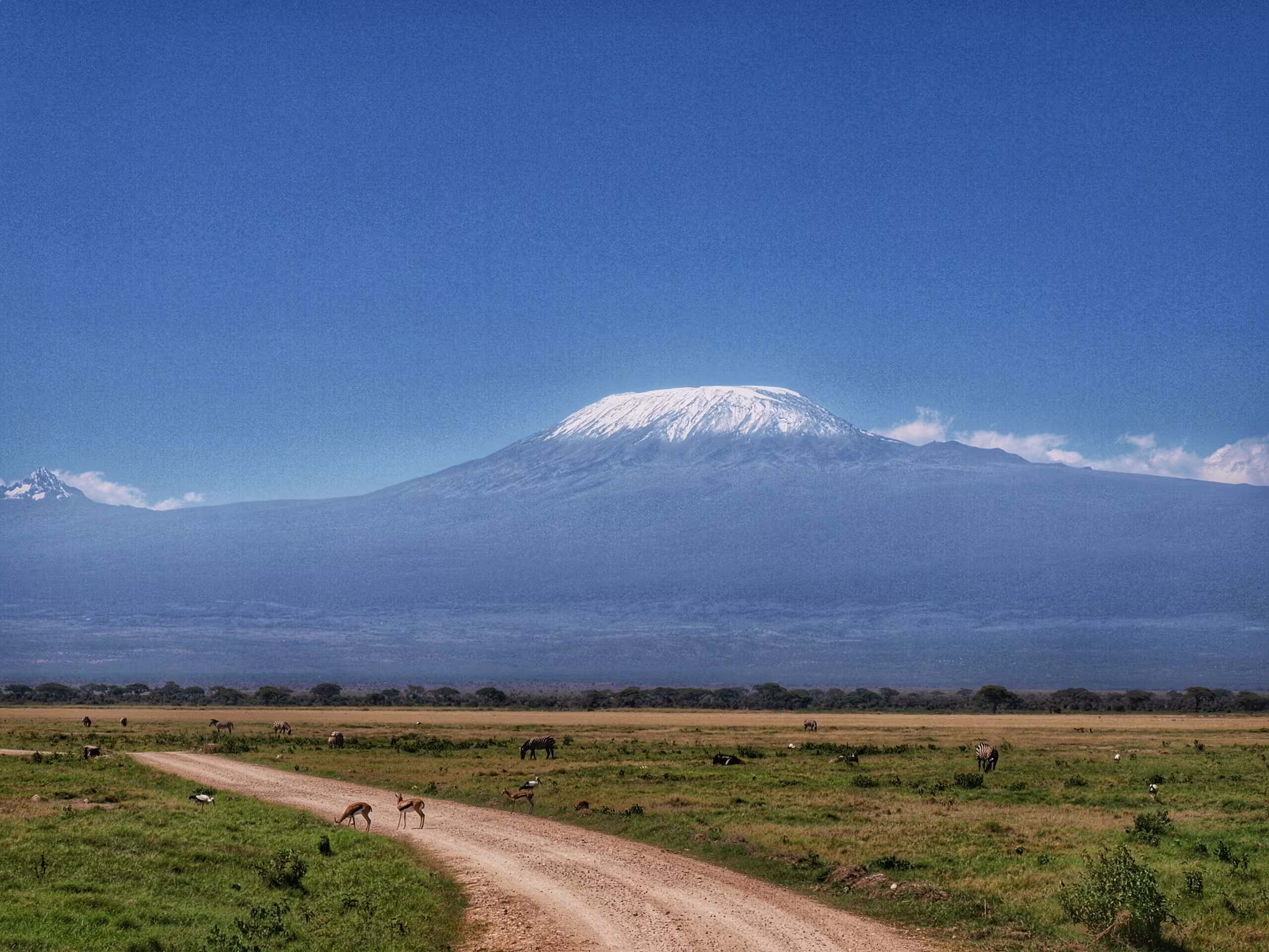
Guides maintain a pace known as pole pole, which means "slowly" in Swahili. This measured speed is critical for oxygen processing and reducing cardiovascular strain. Regular breaks are integrated into the schedule to monitor hydration and individual progress toward the summit.
Summit Night Timeline
The summit push is the most grueling stage of the climb, requiring twelve to fourteen total hours of exertion. Preparation begins late in the evening with an 11 pm wake-up. A 1 am departure from the high camp allows groups to reach Uhuru Peak near sunrise.
Ascending the final 1,200 vertical meters takes approximately six to eight hours. After reaching the peak, the descent back to high camp requires two to three hours. Following a brief rest, teams continue down to lower forest camps for several additional hours.
Descent Day Expectations
On the final day, the required trekking time is significantly shorter as the gradient eases through the rainforest zone. The journey from the lower camps to the park gate typically takes four to five hours. This concluding stage covers the remaining distance at a much faster pace than the initial ascent.
| Stage of Expedition | Average Distance (km) | Duration (Hours) | Elevation Change (m) |
|---|---|---|---|
| Standard Ascent Phase | 8–12 km | 4–7 | +500 to +800 |
| Summit Push (Total) | 15–18 km | 12–14 | +1,200 / -2,400 |
| Final Park Exit | 10–12 km | 4–5 | -1,500 |
"Success on Kilimanjaro is not found in speed, but in the discipline of a measured, consistent pace across every vertical meter."
Factors That Determine Your Kilimanjaro Climb Duration
Determining the length of a Kilimanjaro trek involves balancing human physiology against the mountain's geological scale. It is not merely a matter of physical distance but a calculation of oxygen levels and atmospheric pressure. Strategic planning ensures the safety of the team and the probability of reaching the Uhuru peak.
Altitude Acclimatization Needs
Rapid altitude gain remains the primary obstacle for any expedition on this volcano. Most people will experience symptoms like headaches or insomnia as the partial pressure of oxygen drops. The most effective way to mitigate altitude sickness is to extend the duration of the ascent.
Statistics show that an eight-day itinerary triples the success rate compared to a five-day attempt. Serious conditions like HAPE or HACE can occur if one ignores the need for gradual altitude adaptation. Spending time at mid-level locations like Marangu or the Ngorongoro Crater before starting helps the body adjust.
"Acclimatization is the process by which the body adjusts to the decreased availability of oxygen at high altitudes, a vital necessity for any climber."
Your Fitness Level and Hiking Pace
A high fitness level aids recovery but does not provide immunity against altitude sickness. Specific training should focus on five-hour hikes in hilly terrain while carrying a weighted daypack. This preparation builds the cardiovascular efficiency needed to climb mount Kilimanjaro safely.
High-quality gear also supports your ability to maintain pace in harsh conditions. This includes four-season sleeping bags, waterproof shells, and broken-in boots. Proper training and the right gear allow you to maintain a steady pole pole (slowly) pace throughout the day.
Seasonal Weather Conditions
The weather significantly impacts trail conditions and visibility across the different climate zones. Sub-zero temperatures and high winds persist at the summit year-round, requiring technical gear for protection. The best time for an expedition occurs during the dry seasons from January to March and July to October.
Avoiding the heavy rains ensures the best time to navigate steep sections like the Barranco Wall without added risk. Wet seasons in April and November create slippery trails that can slow down even the most fit people. Clear skies during dry months provide the visual references necessary for safe navigation.
Route Selection and Difficulty
Each route offers a different experience regarding technicality and daily elevation gain. Western approaches like the Lemosho route provide a superior way to manage altitude sickness through longer timelines. Choosing the right path requires matching your previous experience with the specific demands of the terrain.
| Factor | Impact on Duration | Recommended Action |
|---|---|---|
| Acclimatization | Critical | Choose 8+ day routes |
| Fitness | Moderate | 6 months pre-climb training |
| Seasons | High | Aim for dry months |
Appropriate training and professional-grade equipment ensure that your fitness level supports the technical requirements of the chosen path. We recommend the Northern Circuit for those seeking the most comprehensive acclimatization profile. This ensures you can climb mount Kilimanjaro with the highest margin of safety and a richer geological experience.
Success Rates by Climb Duration
The link between expedition length and completion provides a clear guide for planning a high-altitude trek. Statistical data from Kilimanjaro National Park shows that time is the main reason for a successful climb. Many people underestimate how the body reacts to thin air without proper rest. Your total experience on the mountain depends on your body's ability to adapt to lower oxygen levels.
Five-Day Climb: Under 30% Achievement
Fewer than 30% of those attempting five-day climbs actually reach the top. This rapid schedule often leads to severe altitude sickness and physical exhaustion. Guides observe that such short itineraries limit the body's natural ability to adjust. This low success rate makes the five-day option a high-risk choice for most climbers.
Six-Day Climb: Around 45% Odds
Adding a single day improves your chance of standing on the top to approximately 45%. While this rate is better, it still leaves many without a victory. The marginal benefit of one extra day at intermediate elevation is often insufficient for full recovery. Dedicated porters and lead guides work hard to manage the pace, but the clock remains a difficult enemy.
| Climb Duration | Achievement Odds | Acclimatization Quality |
|---|---|---|
| 5 Days | Under 30% | Insufficient |
| 6 Days | Around 45% | Marginal |
| 7 Days | Approximately 65% | Moderate |
| 8+ Days | Over 85% | Excellent |
Seven-Day Climb: Approximately 65% Probability
A seven-day journey offers a chance of success near 65%. This duration represents the minimum time where a majority of prepared climbers reach summit markers. Some elite operators like Alpine Ascents report over 90% success on seven-day Machame routes. Their field experience shows that professional leadership further improves the rate of achievement.
Eight-Plus Day Climb: Over 85% Completion
Expeditions lasting eight days or more see the highest success rate at over 85%. Ian Taylor Trekking reports a 95% rate on the eight-day Lemosho Route. Spending more time on the mountain gives you the best chance to reach summit points safely. Large teams of porters ensure you have the resources needed for the top.
Your chance to reach summit goals increases with every additional night spent at high altitude. Expert guides and porters provide the safety net required for the summit. Properly preparing for the summit requires respecting the rate of acclimatization. Extra days ensure that your body maintains its strength for the final push to Uhuru Peak.
Conclusion: Choosing the Right Duration for Your Kilimanjaro Climb
Choosing the right duration for your kilimanjaro climb involves a calculated assessment of budget, fitness, and oxygen saturation needs. Statistics from the national park indicate that time is the most critical variable for safety. While trekkers often want to climb kilimanjaro quickly, biological reality requires pole pole (slow) progress.
The mount kilimanjaro success rates provide a clear point of reference for all planning phases. A five-day kilimanjaro route usually sees success rates fall under 30 percent. Conversely, seven and eight-day routes typically exceed an 85 percent success threshold compared to shorter routes.
Registered Tanzanian operators organize every mount kilimanjaro expedition according to national park regulations. These teams manage essential logistics, including food, water, and emergency protocols. Regardless of how many days you take climb, your packing list must include a heavy-duty sleeping bag.
The mount kilimanjaro environment consists of five distinct ecological zones that change with elevation. Selecting a longer climb kilimanjaro itinerary allows for a deeper experience within these rare habitats. How long take to ascend determines how much time you spend under the high-altitude night sky.
Financial constraints often tempt hikers to take climb mount shortcuts, but this frequently leads to altitude sickness. Every extra night spent on the mountain increases the daily fees paid to the national park. However, this investment in a longer climb kilimanjaro significantly improves your way toward the summit.
First-time trekking participants should default to eight-day schedules to allow for maximum physiological adaptation. Experienced mountaineers might successfully climb mount kilimanjaro in seven days. The ultimate point is to reach the final night with enough strength to enjoy the view.
A warm sleeping bag is vital because temperatures drop well below freezing at the higher base camps. When you climb mount kilimanjaro, the physical climbing effort is only half the battle. To take climb mount Kibo safely, one must respect the national park guidelines regarding camp sequences.
Choosing a robust kilimanjaro climb schedule ensures climbers reach the highest point on mount kilimanjaro safely. Professional guides support the climbing journey during the final summit night. Trekkers must take climb training seriously to climb kilimanjaro with confidence.
| Days on Mountain | mount kilimanjaro Success Rate | Recommended routes |
|---|---|---|
| 5 Days | Under 30% | Marangu |
| 6 Days | 45% | Rongai, Machame |
| 7 Days | 65-75% | Machame, Lemosho |
| 8+ Days | Over 85% | Lemosho, Northern Circuit |
FAQ
Which kilimanjaro route provides the highest success rate?
The Northern Circuit and the eight-day Lemosho route allow for excellent adjustment. The Machame route also serves climbers well over seven days. Spending extra time on the mountain increases the chance of reaching Uhuru Peak significantly. These longer routes provide the best physiological transition for the ascent.
What defines the average daily hiking duration?
Most trekking segments last between five and seven hours. The ascent involves steady movement across volcanic soil. Guides set a slow pace, known as pole pole, managing oxygen level changes as people move toward the top. This measured pacing remains vital for safety within the national park.
When is the best time for this expedition?
Dry seasons from late June through October provide stable weather. The period from January through March also offers clear skies. These windows reduce risks during the climb mount kilimanjaro and improve the overall experience. Avoiding the heavy rains ensures the way remains navigable and safe.
How does the presence of porters support the journey?
These professionals carry essential gear, including heavy tents and your warm sleeping bag. They ensure camps are ready before visitors arrive. Their physical strength and mountain expertise remain vital reaching the highest point. Without this support, the climbing burden would hinder most climbers.
What occurs during the final night?
The summit push begins around midnight. Climbing by headlamp, trekking teams navigate steep scree slopes for several hours. Successful groups reach summit markers at sunrise, followed by a rapid descent toward lower altitude zones. This final push requires significant mental and physical success discipline.
What training is necessary for the journey?
Preparation should focus on cardiovascular endurance and leg strength. Weighted hikes mimic the daily life on the slopes. Proper physical conditioning helps prevent severe altitude sickness and improves your success. Consistent training for months before arrival ensures the body handles the decreasing oxygen levels effectively.
Is the six-day Marangu route effective?
This path remains the only one providing A-frame huts rather than tents. While faster, the five-day version offers lower success rate statistics. We recommend the six-day option for better altitude adjustment while crossing the Saddle toward Kibo. The extra time improves your chance of standing on the roof of Africa.