Kilimanjaro Climb Cost: Full Pricing Breakdown for Every Route
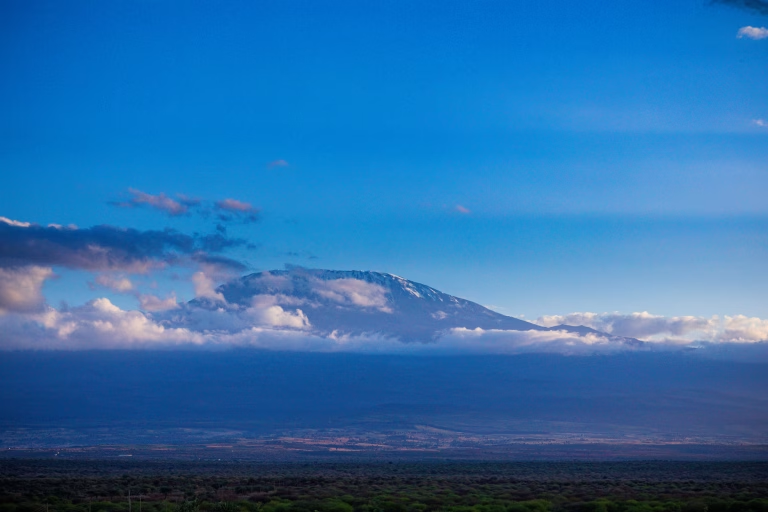
At 5,895 meters, mount kilimanjaro stands as the highest geological feature in Africa. Reaching the volcanic summit involves a complex financial landscape ranging from $1,500 to over $7,000. These figures fluctuate based on route selection, expedition duration, and operator quality standards.
Our data reflects documented ranges from budget to luxury tiers across all established paths. Mandatory Tanzanian park fees serve as the foundation of every budget. For a six-day trek, fees start at $800, while eight-day trips often exceed $1,182.
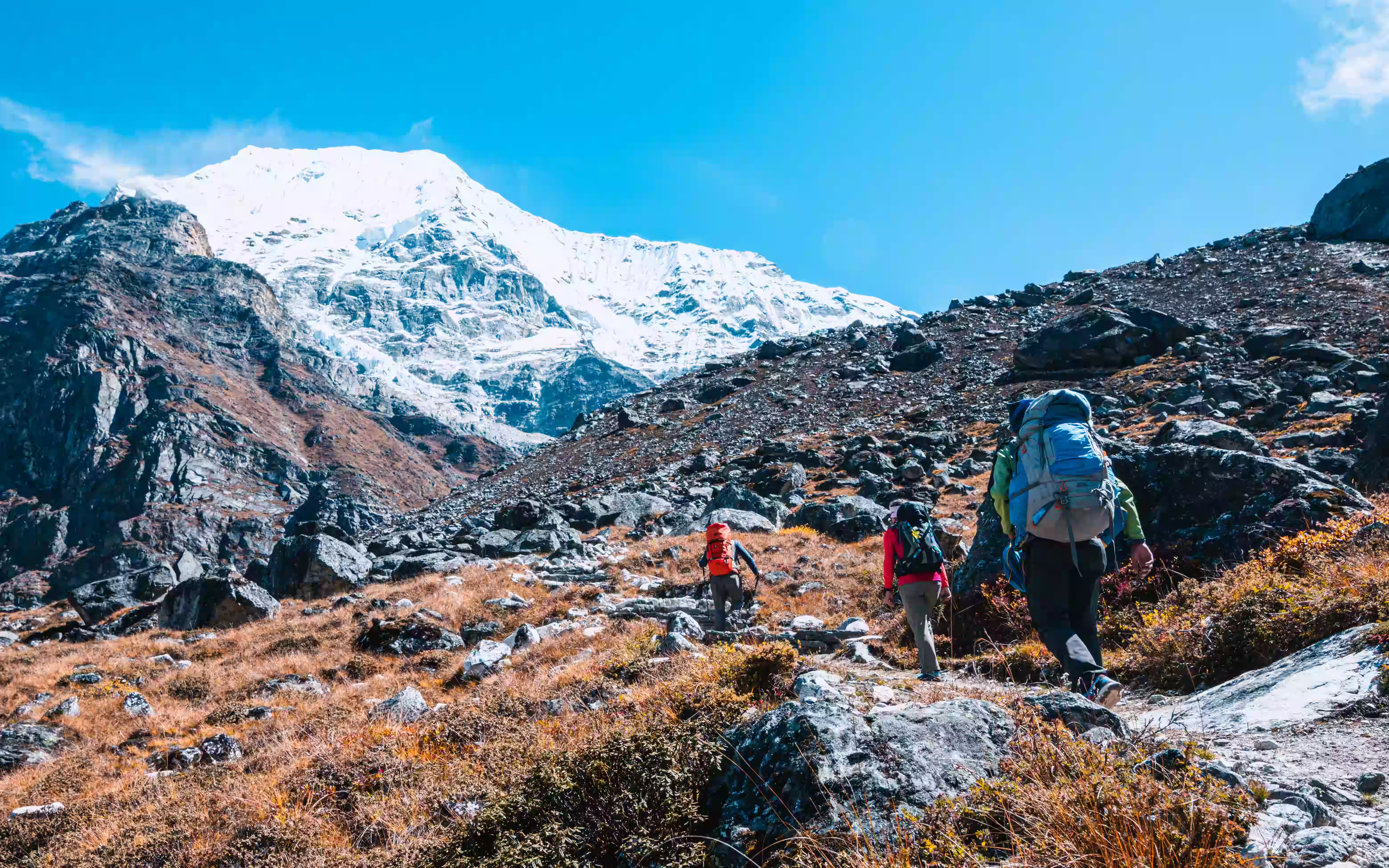
Every expedition must employ a licensed guide to navigate the Uhuru slopes safely. Understanding the cost climb kilimanjaro requires is vital for pre-departure planning and safety. Transparency in these figures serves as a primary indicator of operator legitimacy and crew welfare.
A lower price often suggests significant compromises in safety equipment or staff treatment. We recommend prioritizing professional standards to ensure a successful ascent and proper acclimatization. For detailed pricing information and personalized quotes, please contact 0752761705 today.
Key Takeaways
- Base expedition expenses typically range from $1,500 to $7,000 per person.
- Mandatory Tanzanian park fees exceed $800 for the shortest routes.
- Tanzanian law requires all trekkers to use a licensed guide.
- Route duration and equipment quality directly impact the final investment.
- Higher pricing tiers correlate with improved safety and success rates.
- Pricing transparency is a key indicator of ethical operator standards.
Understanding Kilimanjaro Climbing Costs in 2024
The economic paradox of the Kilimanjaro region means that high trek prices exist within a low-income national economy. Tanzania ranks among the world’s most economically disadvantaged nations, yet climbing Kilimanjaro remains a premium international expedition. This pricing reflects a strictly regulated environment where governmental mandates establish a high financial floor.
Tanzania National Park Authorities establish mandatory park fees that no legitimate company can legally bypass. These specific charges include daily conservation, camping, and emergency rescue funds. For those selecting the high-altitude Kosovo Camp, the authorities charge a specific premium of $118 per person per night.
Professional trekking expeditions in 2024 typically range between $2,000 and $3,000 per person. While travelers may find operators offering trips for $1,000, these prices represent a significant risk to safety and ethics. Such low-budget offers often suggest that the company is compromising on crew wages or essential safety equipment.
The total cost of a trek is highly dependent on the chosen duration and the specific route. Choosing the five-day Marangu or Machame routes allows for the absolute minimum cost through direct negotiation. However, most reputable operators advise against these shorter itineraries due to the increased risks of altitude sickness and poor acclimatization.
Determining exactly how much cost is required to climb Kilimanjaro safely involves analyzing fixed governmental tariffs. These fees ensure that the park maintains its trails and protects the local mountain environment. Legitimate companies must also include the expenses for licensed guides and porters who facilitate every successful summit attempt.
| Fee Component | Rate Frequency | 2024 Price (USD) | Operational Purpose |
|---|---|---|---|
| Conservation Fee | Daily | $70 - $100 | Environmental management |
| Camping/Hut Fee | Nightly | $50 - $60 | Standard route infrastructure |
| Rescue Fee | Per Trip | $20 | Emergency mountain evacuation |
| Kosovo Camp Fee | Nightly | $118 | Specialized high-camp access |
Average Kilimanjaro Climb Cost Overview
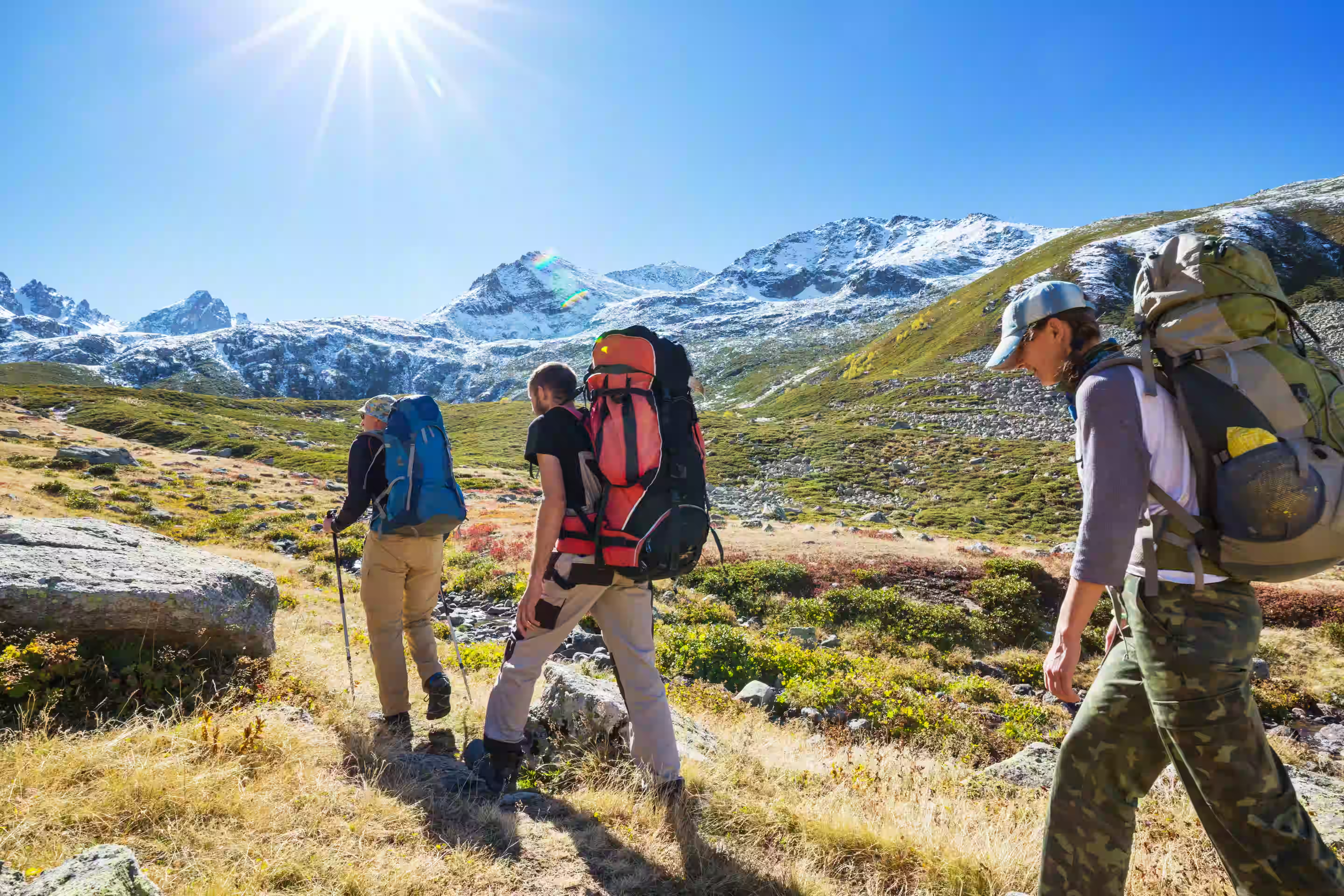
An analysis of Kilimanjaro climbing expenses reveals a direct correlation between the financial investment and the probability of reaching the summit. The financial commitment for a kilimanjaro climb follows a three-tier market structure. Budget treks generally range from $1,500 to $2,500, while mid-range expeditions require $2,500 to $3,500 per person.
Luxury packages start at $3,500 and often exceed $7,000 for high-end logistics and remote access. Established operators like Ian Taylor Trekking offer guided packages between $3,850 and $4,550. Tusker Trail provides a range from $2,790 for an 8-day Marangu climb to $6,790 for their 14-day spiral route.
The average per person expenditure must cover technical safety equipment and fair wages for the mountain crew. This mid-range bracket represents the minimum investment for combining adequate safety protocols with ethical crew treatment. It ensures that porters receive fair compensation and that medical oxygen remains available during the ascent.
Summit success rates show a measurable correlation with the total price paid for expedition duration. A 5-day climb results in a 30% success rate, whereas an 8-day price investment yields an 85%+ success rate. Extending the days spent on the mountain allows for superior physiological acclimatization.
The final cost depends heavily on the chosen path and the logistics involved. The Marangu and Machame routes are typically more affordable due to shorter durations and established infrastructure. Higher-end operators prioritize the Lemosho or Northern Circuit for their remote access and higher safety margins.
What's Included in Your Kilimanjaro Climb Cost
Kilimanjaro climbing packages bundle essential operational components, ranging from government levies to logistics for the mountain. We evaluate these costs based on standard 2024 pricing models for professional expeditions. A transparent breakdown ensures climbers understand the value of their investment in safety and staff welfare.
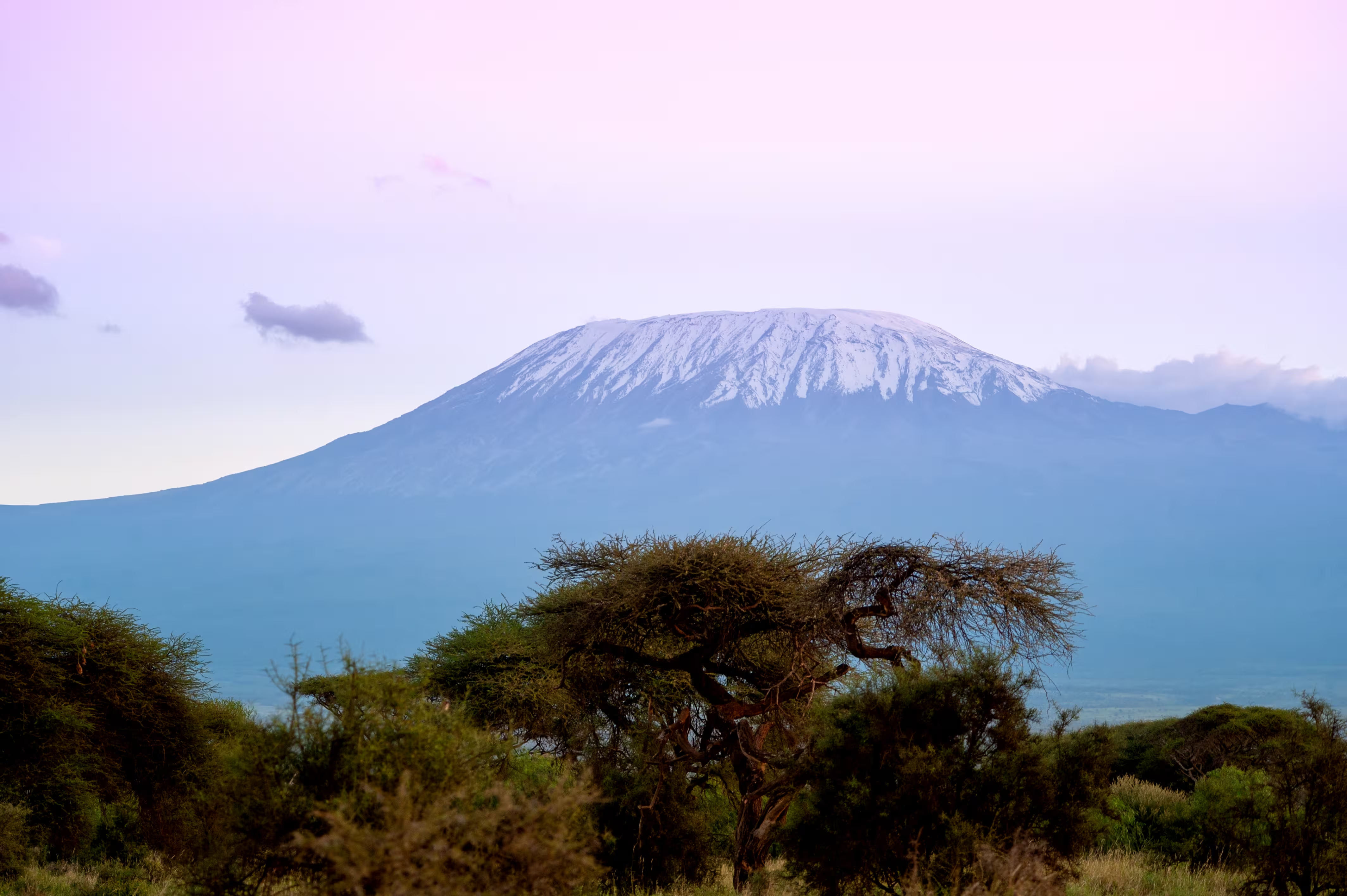
Park Fees and Permits
Tanzanian National Park authorities require non-negotiable payments for every visitor. These park fees constitute a significant portion of the total price, often exceeding $800 for a 6-day trek. Longer 8-day expeditions typically see these costs rise above $1,182 per person.
Standard fees cover entry, camping, and rescue services. Specific high-altitude locations, such as Kosovo Camp, require a premium payment of $118 per person nightly. This park revenue supports conservation and trail maintenance across the Kilimanjaro ecosystem.
Guides, Porters, and Support Crew
Human resources drive the logistics of every successful ascent. Legitimate operators employ specialized guides to lead teams and monitor health. They also hire 4 to 5 porters per climber to transport collective gear and supplies.
The support crew remains the backbone of the expedition, with large groups often requiring over 40 staff members. Fair operators pay daily wages between $12 and $25 to porters and other personnel. These guides manage the team to ensure no porter carries more than the 30 lbs maximum limit.
Food and Water on the Mountain
Proper nutrition is vital for acclimatization and physical endurance. Mid-range packages include three-course hot meals prepared by experienced chefs on the mountain. These menus focus on high-calorie food to sustain climbers during long trekking days.
Crews often perform fresh food resupplies during longer routes to maintain quality. This logistical effort ensures that the crew provides safe, treated drinking water at every camp throughout the journey.
Camping Equipment and Tents
Reliable equipment is a non-negotiable safety requirement in alpine environments. Standard inclusions feature rugged 4-season tents designed to withstand high winds and freezing temperatures. Climbers also receive access to dedicated mess tents equipped with tables and chairs.
Quality providers include specialized medical equipment like oxygen bottles and pulse oximeters as standard. These tents and safety tools are essential for managing altitude-related risks during the trek.
| Category | Inclusion Detail | Standard Metric |
|---|---|---|
| Staffing | Guides and support staff | 4-5 Porters per climber |
| Nutrition | Hot meal provision | 3 courses per meal |
| Safety | Medical gear | Oxygen & Oximeters |
The difference between a safe climb and a dangerous one often lies in the quality of the gear and the expertise of the staff provided.
What's NOT Included in the Climb Price
Financial planning for a Tanzanian expedition necessitates a clear understanding of auxiliary expenditures. While most operators provide a fixed price for the trek, several essential costs fall outside that quote. Anticipating these expenses prevents budget shortfalls during the trip.
International Flights to Tanzania
Climbers must secure their own airfare to Kilimanjaro International Airport (JRO). Major carriers such as KLM and Qatar Airways provide reliable service into the region. Managing your own booking allows for better control over airline loyalty programs and seating preferences.
Visas and Vaccinations
Entering Tanzania requires a formal visa, which costs between $50 and $100 depending on your nationality. You should also budget for medical consultations and required immunizations. These health preparations are mandatory before beginning any journey on mount kilimanjaro.
Personal Hiking Gear and Clothing
Specialized high-altitude equipment is vital for safety on the mountain. It is a common misconception that Arusha or Moshi house extensive retail shops for technical apparel. There are no dedicated outdoor stores in these towns, so you must source your gear beforehand.
Most participants choose to bring their own broken-in boots and layered clothing. If you lack specific items, you should arrange rentals directly through your tour operator well in advance. Reliable gear remains the primary defense against the mountain's extreme alpine climate.
Crew Tips and Gratuities
Supporting the local mountain crew is an essential part of the trekking economy. Gratuities are not included in the base package price but are expected by the guides, cooks, and porters. We recommend budgeting approximately $300 in tips per climber for a standard climb.
| Expense Category | Estimated Price (USD) | Frequency |
|---|---|---|
| Tanzania Entry Visa | $50 – $100 | One-time |
| Travel Insurance | $200 – $500 | Per expedition |
| Local Crew Gratuities | $300 | Per climber |
Insurance requirements are strict and must include helicopter evacuation and medical repatriation. Additionally, pre- and post-trek accommodation can range from $10 budget rooms to $3,000 luxury safari camps. These excluded items typically add $2,000 to $4,000 to the total cost of your expedition.
Budget Kilimanjaro Climbs Under $2,500: What to Expect
Price points below $2,500 often indicate systemic deficiencies in equipment, guide training, and porter welfare. While a low budget entry price is tempting, it usually signals a reliance on non-licensed booking companies. These entities often subcontract climbers to unknown local operators without quality control or professional accountability.
Within this price bracket, many operators hire freelance guides who lack English proficiency and medical certifications. These individuals often work without high-altitude training, which directly impacts the safety of the mountain experience. To reduce overhead costs, these expeditions frequently minimize mountain days, creating abbreviated itineraries that prevent proper acclimatization.
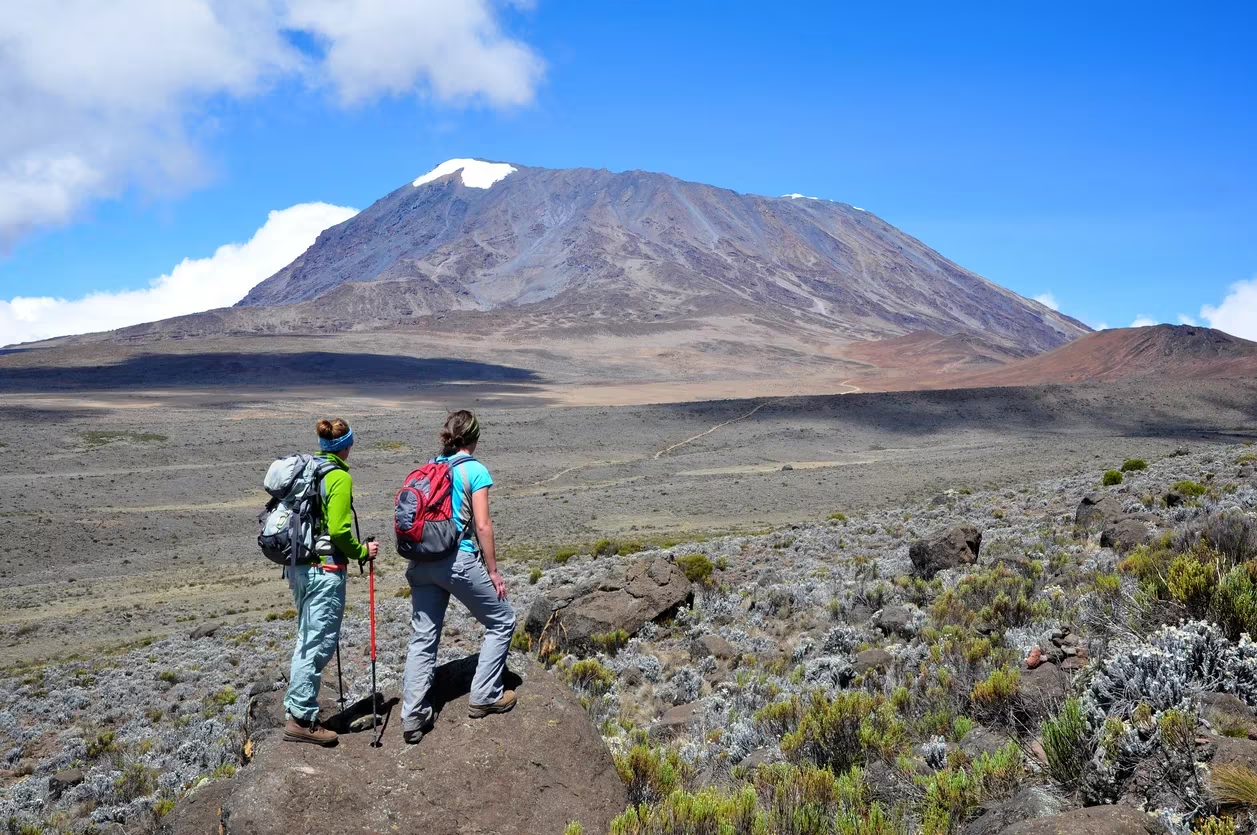
Choosing an accelerated route significantly increases the incidence of acute mountain sickness (AMS). Climbers also encounter physical equipment issues, such as damaged tents and thin sleeping pads. Instead of hot meals in a dedicated dining tent, food often consists of pre-packaged, cold rations that fail to provide necessary nutrients for climbing toward the summit.
The average Kilimanjaro success rate stands at only 60 percent, often weighed down by low-cost expeditions that ignore necessary acclimatization periods.
Ethical standards are another casualty of a low budget environment. The Kilimanjaro Porters Assistance Project (KPAP) establishes the minimum ethical threshold for a climb. A KPAP-partnered trek typically costs at least $1,750 for a six-day duration. Anything lower suggests wage violations and unethical porter treatment, compromising the human integrity of the climb.
| Service Feature | Budget Expedition | Ethical Minimum (KPAP) |
|---|---|---|
| Guide Status | Uncertified Freelance | Certified Professional |
| Safety Gear | Minimal or Absent | Full Medical Oxygen |
| Porter Wages | Often Below Legal | Fair and Standardized |
| Food Quality | Cold Pre-packaged | Hot Nutritious Meals |
Understanding a low budget price requires recognizing these hidden compromises. Lower costs correlate with increased safety incidents and depressed success rates. Professional mountain operations require financial investment to maintain equipment standards and ensure the well-being of the entire support crew.
Mid-Range Kilimanjaro Treks ($2,500-$3,500)
In the $2,500 to $3,500 range, the kilimanjaro climb moves toward professional standards and steady logistics. Large Tanzanian operators lead this group and often own their own hotels. Most maintain these bases in Arusha or Moshi to help hikers prepare for the task ahead.
Membership in the Kilimanjaro Porters Assistance Project (KPAP) is common at this price. This group checks that the crew gets fair pay and good equipment. Choosing a mid-range trek means the porters get three warm meals a day and the right clothes for the cold.
The mountain staff in this category show high levels of skill. Guides usually hold Wilderness First Responder (WFR) certificates. This means they have training in high-altitude health. Safety rules include using pulse oximeters twice a day to check oxygen levels.
"The ascent of Kilimanjaro is a journey through five distinct ecological zones, requiring both physical stamina and disciplined logistical support."
The service during the trekking days includes better gear than budget trips. Chefs make meals that give hikers the right fuel for the climb. The mountain environment is tough, so your body needs these extra calories and fluids to reach the top.
Mid-range operators stand out by offering more routes and safari deals. Some are Western-owned, while others belong to local Tanzanians. Both types provide strong technical equipment and follow strict safety plans to keep you secure on the trail.
| Standard | Mid-Range Detail | Benefit to Climber |
|---|---|---|
| Crew Care | KPAP Partner | Ethical Treatment |
| Medical Gear | Pulse Oximetry | Daily Health Monitoring |
| Staff Skill | WFR Certified | High-Altitude Training |
In this price bracket, the mountain experience stays professional and clear. Guides lead each group with technical care. Most climbers find that a mid-range trek provides the best balance of value and care for a kilimanjaro climb.
- Private chemical toilet tents are often included for better hygiene.
- Operators offer comprehensive evacuation protocols for emergency situations.
- Standardized acclimatization schedules help improve summit success rates.
Luxury Kilimanjaro Climbs ($3,500 and Above)
Premium Kilimanjaro operators define the $3,500 and above price bracket by deploying extensive resources that prioritize physiological stability and technical reliability. This investment level moves beyond basic logistics to provide a highly engineered expedition environment. Companies like Ian Taylor Trekking, with packages between $3,850 and $4,550, and Tusker Trail, ranging up to $6,790, lead this sector.
Luxury operators function as specialized entities rather than general travel agencies. Many have spent decades on the mountain and even established unique route variations. They employ guides who possess over ten years of experience with a single firm. These professionals hold Wilderness First Responder (WFR) certifications, ensuring they can manage medical emergencies with clinical precision.
Staffing ratios distinguish these expeditions from lower-cost alternatives. A typical group of 12 climbers benefits from two to six lead guides. Each trek also requires four to five porters per person to carry necessary supplies. This high ratio ensures that the support crew maintains the integrity of the campsite and monitors every climber's health effectively.

The food program utilizes CIA-trained chefs who develop specialized high-altitude menus. These culinary experts prepare three-course hot meals inside all-weather dining tents. These tents feature tables, chairs, and gas lighting to create a stable recovery environment. High-quality equipment remains a priority, including Mountain Hardwear Trango 4 tents and thick 2-inch mattresses for better rest.
Technical gear extends deep into medical safety protocols. Teams carry multiple oxygen tanks, rescue stretchers, and portable altitude chambers known as Gamow bags. This comprehensive climbing infrastructure allows for early intervention during a kilimanjaro climb. Because of these superior support systems, luxury operators often achieve a summit success rate exceeding 95%.
Choosing to climb Kilimanjaro at this level ensures that the experience focuses on geological discovery rather than basic survival. The extra cost covers the professional expertise and advanced gear required for a secure journey. This approach significantly reduces the physical strain of the mountain.
| Feature | Standard Expedition | Luxury Expedition ($3,500+) |
|---|---|---|
| Staffing Ratio | 2-3 Porters per Climber | 4-5 Porters per Climber |
| Success Rate | 60% - 70% Average | 95% and Above |
| Medical Infrastructure | Basic First Aid Kit | Oxygen, Gamow Bags, WFR Guides |
| Sleeping Systems | Thin Foam Pads | 2-inch Air or Foam Mattresses |
| Catering Standards | Basic Local Menus | CIA-Trained Gourmet Chefs |
Kilimanjaro Climb Cost by Route
Selecting the path up Mount Kilimanjaro involves balancing financial outlay with biological readiness. The logistical complexity of each trail dictates the base price of the expedition. Longer durations generally require more supplies and support staff, affecting the total cost.
Different routes offer varying success rates based on their elevation profiles. We observe that number days spent on the mountain directly correlates with your ability to reach the summit. Shorter itineraries often lead to higher failure rates due to poor acclimatization.
Marangu Route Cost (5-6 Days)
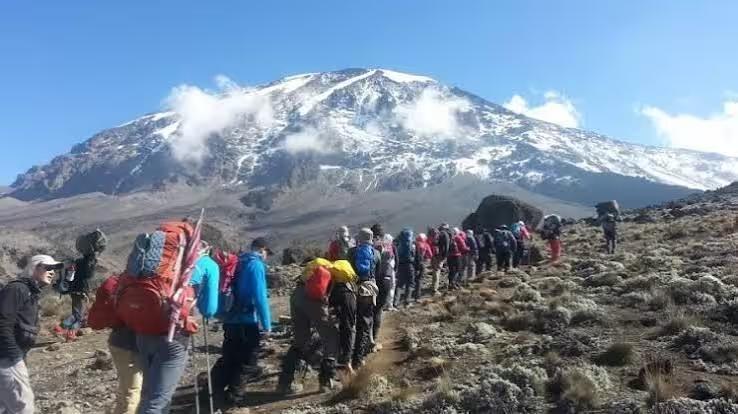
The Marangu path is often categorized as the most affordable route. It is the only ascent utilizing permanent dormitory-style huts instead of camping. This eliminates the need for porters to carry heavy tents, reducing the cost climb.
A 5-day expedition typically sees a success rate of only 30%. Tusker Trail offers an 8-day Marangu trek for $2,790. This longer duration provides a necessary safety margin for those on a climb budget.
Machame Route Cost (6-7 Days)
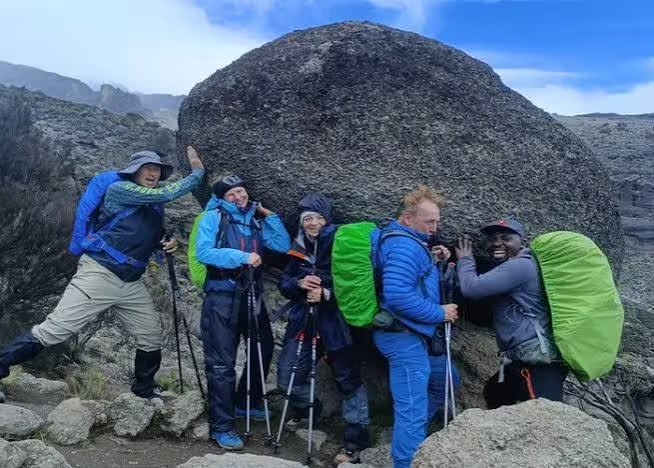
The Machame trail is a popular choice for those seeking a balance of scenery and challenge. Ian Taylor Trekking prices a 7-day climb starting at $3,850 per person. This itinerary allows for better "climb high, sleep low" opportunities.
Tusker Trail provides a 9-day version of this route for approximately $3,180. The 6-day success rate sits at 45%, making a 7-day or 8-day option more reliable. Adding extra days significantly increases the probability of standing on the Uhuru Peak.
Lemosho Route Cost (7-8 Days)
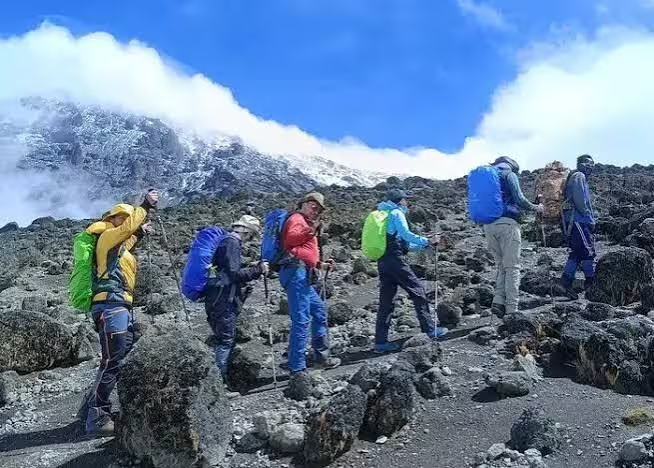
Lemosho is considered a premium route due to its remote starting point and long approach. Ian Taylor Trekking lists an 8-day cost climb at $4,270. This path traverses the Shira Plateau and offers superior acclimatization profiles.
Higher success rates of 85% are common for an 8-day itinerary. Tusker Trail offers an extensive 12-day Lemosho experience for $6,340. The initial investment reflects the high cost of transporting gear and food to the western slopes.
Rongai Route Cost (6-7 Days)
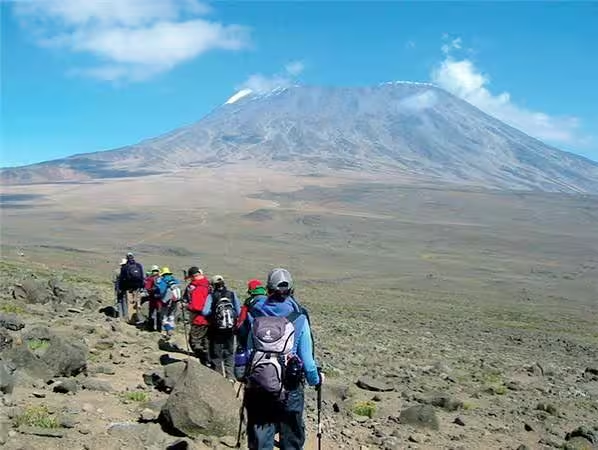
The Rongai trail approaches from the northern side of the mountain near the Kenyan border. Ian Taylor Trekking offers this 7-day route for $3,950. It is often the preferred choice during the rainy season because the north side receives less precipitation.
This path provides a unique ecological perspective through different wilderness zones. It maintains a 6-7 day duration, offering a quiet and authentic terrain experience. The logistical costs are higher due to the long drive to the northern trailhead.
Northern Circuit Route Cost (8-9 Days)
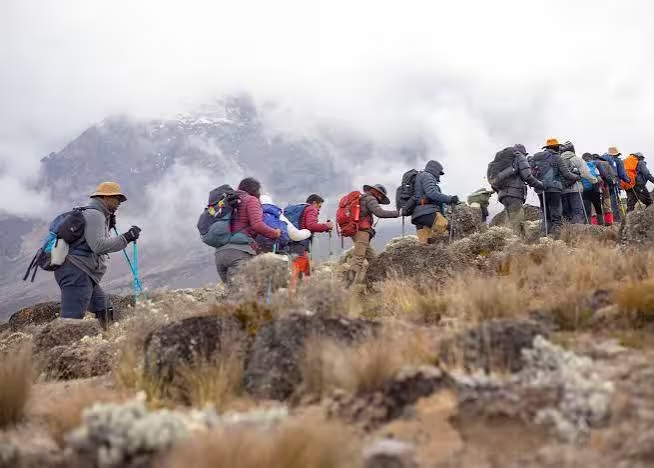
The Northern Circuit is the newest and longest of the routes. Ian Taylor Trekking prices this 9-day expedition at $4,370. By spending more days on the mountain, climbers maximize their success probability through gradual altitude gains.
Tusker Trail offers a specialized 14-day Tusker Spiral for $6,790. These routes provide maximum acclimatization time and nearly 360-degree views of the mountain. It remains the elite choice for discerning travelers who prioritize safety and geological discovery.
Additional Costs Beyond the Trek Package
Budgeting for a Kilimanjaro ascent requires a detailed look at logistical layers that exist outside the standard trek contract. Auxiliary costs often range between $2,000 and $4,000 when accounting for international travel, safety nets, and local gratuities. These figures represent the necessary infrastructure for a secure high-altitude expedition.
Accommodation Before and After Your Climb
Tanzanian lodging options vary from budget guesthouses at $12 per night to luxury safari camps exceeding $3,000. Most climbers spend 2-3 nights in a hotel provided by their operator near Moshi or Arusha. Additional time for pre-trek acclimatization or recovery in Zanzibar can increase these costs significantly.
Travel Insurance and Medical Coverage
Standard travel policies rarely cover mountaineering activities at heights reaching 5,895 meters. You must secure a trip insurance policy that specifically includes helicopter evacuation and medical repatriation. This coverage remains non-optional due to Kilimanjaro's remote terrain and limited ground-based emergency response.
Equipment Rental Costs
The towns of Arusha and Moshi lack a broad public rental infrastructure for technical mountain gear. Climbers who do not bring their own systems must arrange rentals directly through their operator. This typically includes specialized items like down sleeping bags, trekking poles, and thermal air mattresses.
Porter and Guide Gratuities
Rewarding the mountain crew is a standard practice that supplements the base wages of guides, cooks, and porters. Recommended tips generally total $300 per climber for the entire duration of the trip. While public transport costs about $2 per hour, we recommend private transfers for safety; ensure your package includes these transfers to avoid being stranded post-climb.
| Expense Category | Estimated Cost (USD) | Duration/Unit | Essential Requirement |
|---|---|---|---|
| Extra Hotel Stay | $50 - $150 | Per night | Pre-trek rest |
| Crew Tips | $300 | Per trip | Support staff gratuity |
| Medical Insurance | $150 - $300 | Total duration | Helicopter evacuation |
| Additional Nights | $200 - $600 | Per 3 nights | Zanzibar/Safari costs |
Why Cheap Kilimanjaro Climbs Are Dangerous
The reality of high-altitude logistics dictates that safety remains the first casualty of significant price reductions on Kilimanjaro. Every year, a distressing number of climbers, guides, and porters perish on the mountain due to avoidable operational failures. While over 200 operators solicit business, only a small fraction maintain legitimate Tanzania licensure.
Many budget agencies rely on complex subcontracting arrangements. This practice effectively removes accountability when an emergency occurs during a climb. We observe that these companies prioritize volume over the lives of their clients and crew members.
Low-cost expeditions frequently lack vital medical supplies required for high-altitude survival. A budget operator often omits supplemental oxygen, pulse oximeters, and Gamow bags. These tools are essential for monitoring oxygen saturation and simulating lower altitudes during a health crisis.
Furthermore, cheap firms employ staff who lack Wilderness First Responder (WFR) certification. Without this specialized training, crews cannot effectively manage the onset of Acute Mountain Sickness (AMS). True expertise is not found in a low price tag, but in rigorous medical preparation.
"On the mountain, the difference between a successful summit and a medical evacuation often rests on the quality of the safety protocols in place."
| Feature | Budget Expedition | Professional Expedition |
|---|---|---|
| Medical Equipment | None or Incomplete | Oxygen & Oximeters |
| Staff Training | Basic Experience | WFR Certified |
| Success Rates | Approx. 30% | 85% or Higher |
Shortened itineraries represent another significant hazard. Abbreviated five-day treks offer insufficient time for physiological acclimatization. Data indicates that summit success rates plummet on these rushed schedules because the human body cannot adapt so quickly.
Cost-cutting also correlates with the exploitation of local staff. Budget firms frequently violate legal weight limits and wage regulations. This neglect creates a dangerous environment where staff lack proper cold-weather gear and nutrition.
Additionally, poorly maintained vehicles increase risk before the trek even begins. Tanzania’s road accidents are the third leading cause of death nationally, trailing only malaria and AIDS. Investing in a reputable climbing package is ultimately a matter of personal safety on this mountain.
How to Get the Best Value for Your Kilimanjaro Climb
Maximizing your investment on the mountain requires a strategic balance between daily rates and summit probability. While many hikers ask how much cost climb entails, the real answer lies in the quality of the support. True value emerges when logistical excellence meets ethical standards and physical safety.
We identify the $2,500 to $3,500 mid-range bracket as the optimal intersection for most travelers. This price tier ensures that the crew receives fair treatment and the equipment remains reliable. Verification of a KPAP partnership serves as a primary screening criterion for ethical budget management.
Confirming your guide holds Wilderness First Responder (WFR) certification is equally vital. This qualification demonstrates a company’s investment in medical training and preparedness. High-quality operators prioritize these certifications to handle the physiological challenges of the climbing experience.
The number of days spent on the route directly affects your final result. Longer itineraries of eight or more days correlate with success rates exceeding 85%. In contrast, abbreviated treks often see success drop to 30-45% due to poor acclimatization.
| Itinerary Length | Average Success Rate | Value Assessment |
|---|---|---|
| 5-6 Days | 30-45% | Low Value / High Risk |
| 7 Days | 60-70% | Moderate Value |
| 8+ Days | 85%+ | Maximum Value |
Solo travelers can reduce their individual budget by joining a group trek. This approach shares logistical expenses like transport and communal gear while maintaining high standards. Booking during the off-season may offer a lower cost, but weather variables can complicate the kilimanjaro climb.
Directly booking in Tanzania might save money, but it requires significant expertise to evaluate local teams. Selecting the right time and route remains the most critical factor for your climb. Contact 0752761705 for personalized consultation on selecting operators that deliver optimal value within your budget parameters.
Conclusion
The total investment for a Kilimanjaro expedition mirrors the complexity of the terrain and the necessity of support. A legitimate kilimanjaro climb typically ranges from $1,500 to over $7,000 per person. Mandatory park fees alone account for $800 to $1,182 of this expedition cost.
Choosing an operator requires looking beyond the sticker price to ensure ethical crew treatment. We find that mid-range pricing between $2,500 and $3,500 serves as the minimum investment for safety. This service level balances professional gear with fair wages for the ground team.
Success on mount kilimanjaro often depends on acclimatization time. While budget options have low success rates, longer trekking durations offer a 95% probability of reaching the summit. Investing in a quality trek is essentially purchasing a higher probability of success.
Every climb kilimanjaro journey should prioritize KPAP verification to protect porter welfare. This transparency ensures a sustainable experience on the mountain for both climbers and staff. Cost transparency remains the foundation for an informed and safe expedition.
For detailed pricing consultation and booking assistance, contact 0752761705 to discuss your specific mount kilimanjaro expedition requirements. We provide the expertise needed to align your budget with realistic mountain goals.
| Expedition Category | Price Range (USD) | Success Probability | Standard Duration |
|---|---|---|---|
| Budget Treks | $1,500 - $2,500 | 30% - 50% | 5 - 6 Days |
| Mid-Range Treks | $2,500 - $3,500 | 70% - 85% | 7 - 8 Days |
| Premium Expeditions | $3,500 - $7,000+ | 95%+ | 8 - 9+ Days |
FAQ
What is the average expenditure for a summit attempt?
A standard trek usually ranges between $2,000 and $5,000 per person. This cost covers park fees, transfers, and the support crew. Operators providing high service levels include quality meals and medical oxygen.
Which government charges are mandatory for this climbing expedition?
Park fees consist of conservation, rescue, and camping charges. These daily budget rates ensure the mount kilimanjaro environment stays protected. Every day on the slopes contributes to trail maintenance and local ranger patrols.
What is the suggested number days for a safe ascent?
Most climbers find seven to eight nights ideal for oxygen adjustment. Extending the time on the mountain increases success rates during the climb. Routes like Lemosho offer a pole pole pace for a safe trek.
How are gratuities handled for the local staff after the climb?
Customary tips represent a significant part of the trekking culture. Porters, the lead guide, and the cook receive payments after descending mount kilimanjaro. This standard experience ensures fair wages for the dedicated crew members.
Is professional gear available for rent through the operator?
Many agencies offer sleeping bags and down jackets at their hotel base. However, personal items like boots should be broken in before the trip. Quality tents and food supplies are typically included in the total package cost.